
Honoring African American Contributions to Conservation This Black History Month
February 20, 2026
This Black History Month, the Pittsburgh Zoo & Aquarium honors the African American scientists, veterinarians, conservationists, environmental advocates, and educators whose work strengthens wildlife protection and inspires the next generation of environmental stewards.
2026 marks the 100th anniversary of Black History Month, the annual celebration honoring the contributions and achievements of African Americans. The Pittsburgh Zoo & Aquarium honors some of the scientists, veterinarians, and environmental advocates from the Black community that have helped shape the world of conservation.
George Washington Carver (1864–1943)
A botanist, educator, and inventor, Carver revolutionized agriculture by promoting crop rotation, cover cropping, and soil regeneration. His methods helped restore degraded Southern farmland after decades of cotton monoculture, supporting both ecological health and food security for formerly enslaved farmers. His legacy is now seen as foundational to regenerative agriculture, a key climate solution.
Charles Henry Turner (1867 – 1923)
Zoologist, entomologist, educator, and comparative psychologist Charles Henry Turner was known for his studies on the behavior of insects, particularly bees and ants. Turner was one of the first scientists to systematically examine the question of whether animals display complex cognition, studying spiders and bees. He was the first scientist to prove that insects can hear! He also examined differences in behavior between individuals within a species, a precursor to the study of animal personality. His research paved the way for future entomologists and animal behaviorists.
Augustus Nathaniel Lushington (1869 – 1939)
Dr. Augustus Nathaniel Lushington became the first Black graduate of veterinary school in the U.S. when he earned his DVM degree from the University of Pennsylvania in 1897. He opened a veterinary practice in Philadelphia and later moved to Virginia, where he worked with large animals. In addition to farm animal medicine, he also was a statistical reporter to the Bureau of Animal Industry, and a meat inspector.
Roger Arliner Young (1899-1964)
Young was the first Black woman to earn a Ph.D. in Zoology. She attended Howard University and was later hired as a faculty member in the zoology department. She was the first Black woman in her field to publish research in the journal Science, as well as the first to conduct research at the Marine Biological Laboratory in Woods Hole, Massachusetts, beginning in 1927. She worked on researching the fertilization process in marine organisms, as well as the process of hydration and dehydration in living cells. Dr. Young was also a civil and women’s rights activist.
Hattie Carthan (1900 – 1984)
Nicknamed Brooklyn’s “Tree Lady,” Hattie Carthan’s environmental advocacy resulted in the planting of 1,500 trees in her Bedford-Stuyvesant neighborhood of Brooklyn during the 1960s. In her 60s herself, Carthan championed the environmental and social benefits of new urban tree cover. She saw tree-planting as a way to reclaim her neighborhood rather than abandon it. With Carthan as their symbolic leader, 100 neighborhood associations, in conjunction with the city’s parks department collaborated to plant more than 1,500 gingkoes, sycamores, honey locusts, and other varieties by 1970. The city honored Carthan in 1974 with a distinguished service award before her death in 1983. (article continues below ⇓)
Alfreda Johnson Webb (1923 – 1992)
Dr. Webb was the first female graduate of the Tuskegee Veterinary College and, along with University of Pennsylvania graduate Dr. Jane Hinton, became one of the first female Black veterinarians in the US in 1949. She taught anatomy at Tuskegee, and then biology at North Carolina Agricultural and Technical State University. She was not dedicated only to animals and education. Dr. Webb transitioned into politics, becoming the first African American woman in the North Carolina General Assembly.
Joan Murrell Owens (1933-2011)
Owens was a dedicated scientist whose research passion was corals, but as she carried the gene for sickle cell anemia, she could not scuba dive to study them. She instead used the coral collections at the Smithsonian Institution to complete her research. Owens described a genus of corals, Rhombopsammia, and classified several species of deep-sea corals such as Letepsammia. Her button coral research was extraordinarily successful and informative. She later became an associate professor at Howard University.
Warren Washington (1936 – 2024)
Dr. Warren Washington was only the second African American to earn a doctorate in meteorology before joining the National Center for Atmospheric Resources (NCAR) as a scientist in 1963. He joined a team that developed groundbreaking computer models using the laws of physics to predict future states of the atmosphere. This work will help generations of scientists better understand the ways in which the climate is changing. Washington’s computer models were used extensively in the 2007 Intergovernmental Panel on Climate Change assessment, for which Dr. Washington, his fellow National Center for Atmospheric Resources scientists, Vice President Al Gore, and colleagues around the world shared the 2007 Nobel Peace Prize.
Rue Mapp (1971 – )
Rue Mapp founded Outdoor Afro, a national nonprofit organization that connects Black youth and adults with nature and inspires them to develop positive connections with nature and lead conservation initiatives. Her work instills a love for the outdoors among communities that have sometimes lacked connection and even access. Through this project, she helps the public better understand the issues so that public lands become protected, ensuring the availability of nature and natural resources for future generations.
Jasmin Graham (1995 – )
Jasmin Graham is a shark scientist and environmental educator who specializes in elasmobranch (shark and ray) ecology and evolution. Her research interests include human impacts and environmental disturbances on sharks and rays. She has a passion for education and making science more accessible to everyone. She is project coordinator for the MarSci-LACE project, which is focused on researching and promoting best practices to recruit, support and retain minority students in marine science. Jasmin is the President and CEO of Minorities in Shark Sciences (MISS), an organization dedicated to supporting gender minorities of color in shark sciences. She cares deeply about protecting endangered and vulnerable marine species and is excited to help open doors for more underrepresented minority students to join the exciting field of marine science.
The number of Black Americans who have broken barriers to contribute to animals and their conservation is far greater than this list. There are unsung heroes and lesser-known leaders in communities across the nation who are working to create a future where all people and nature thrive.
-
September 18, 2026
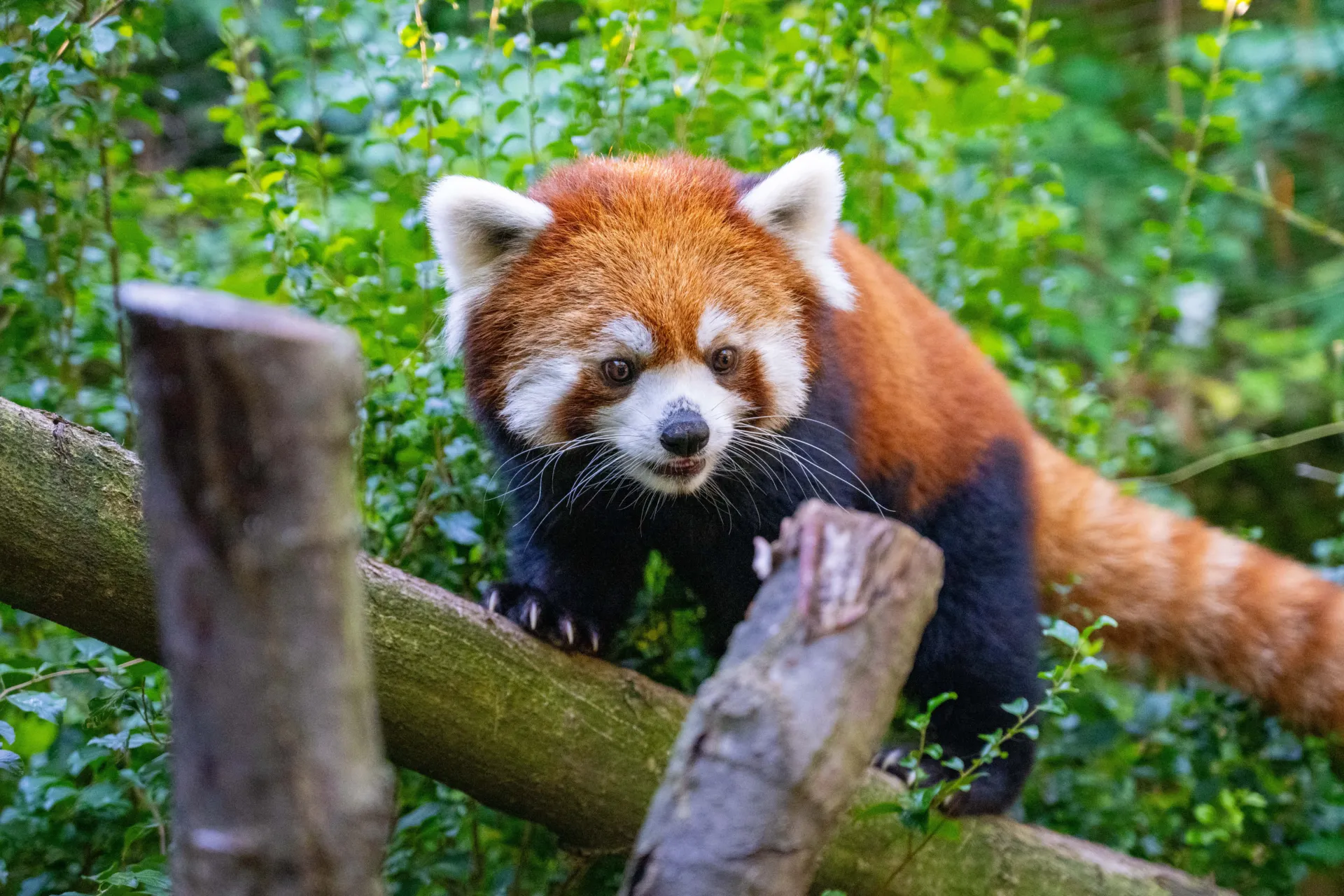
A Plan for a Panda
Saving Red Pandas in the Wild September 18, 2026The Pittsburgh Zoo & Aquarium has long been a home to red pandas and has supported the conservation of these beloved animals in the wild. Several Zoo staff members are key players…
-
August 18, 2026
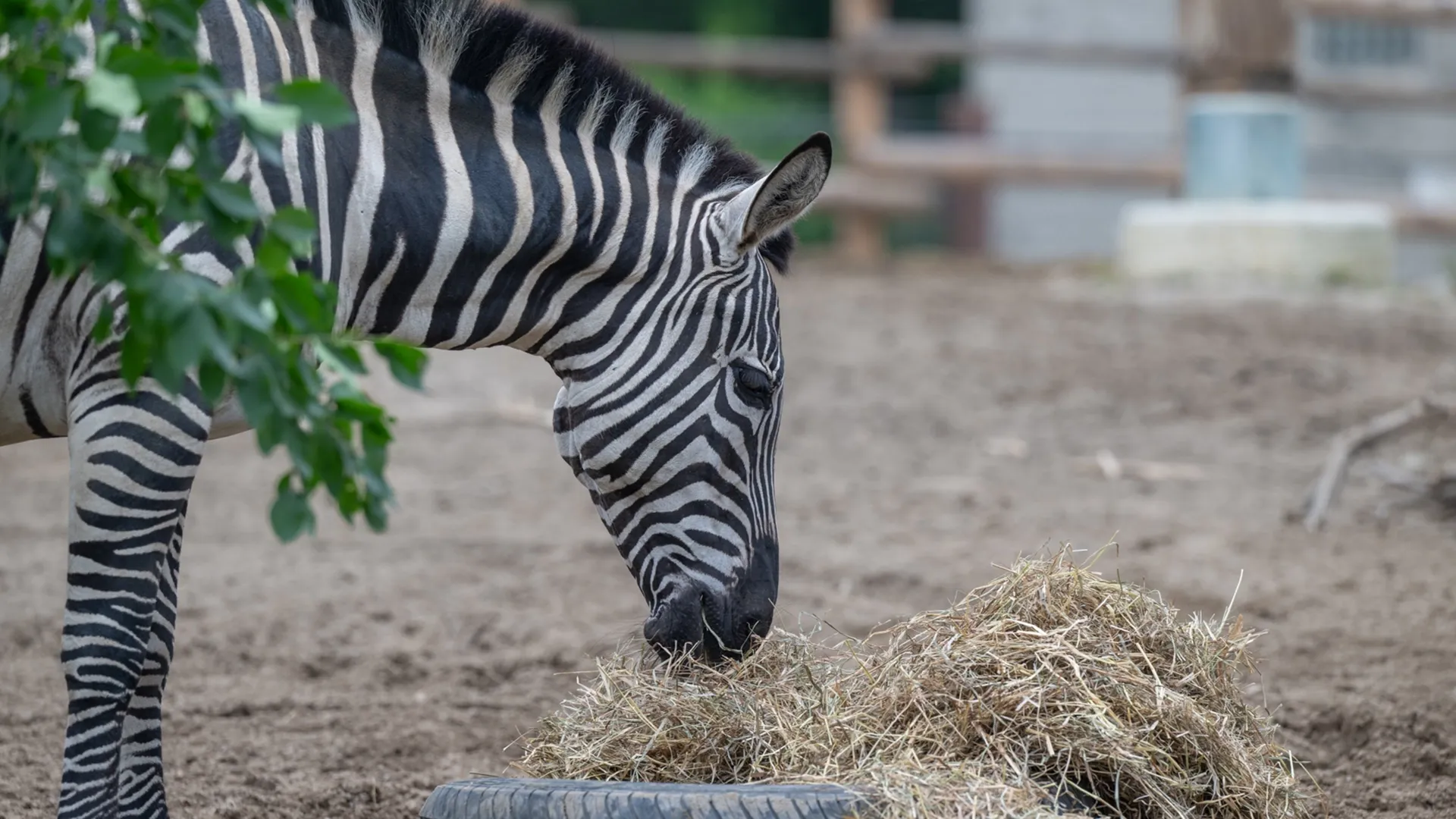
The Table Is Set for Breakfast with the Animals
Rise and Dine August 18, 2026Breakfast is a very important meal for animals, too. The right food at the right time is essential for their well-being and survival. A night of fasting leaves animals’ energy reserves depleted. The first meal…
-
August 11, 2026
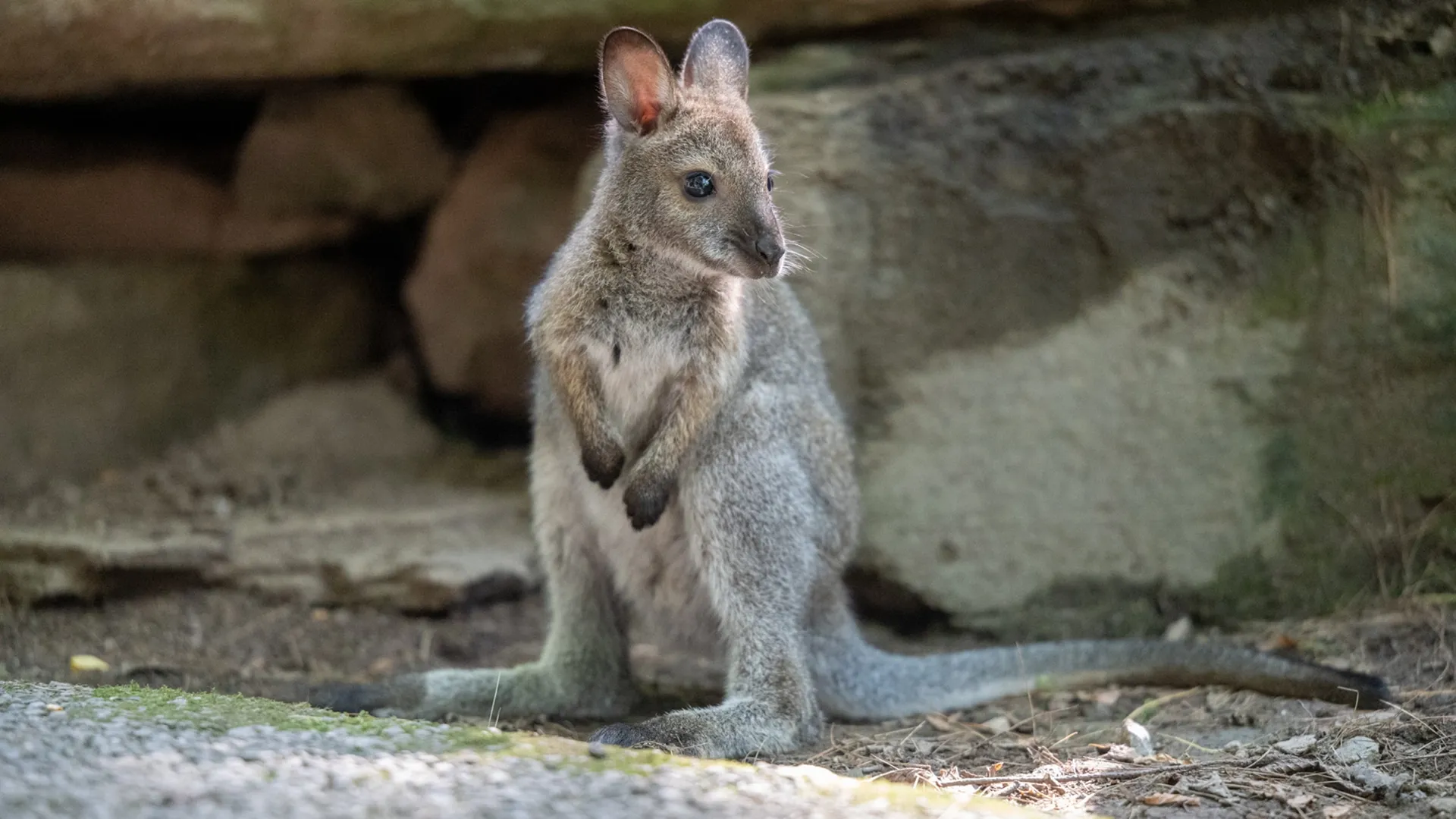
Welcome to the World, Walla-baby
Pocketful of Miracles August 11, 2026The Pittsburgh Zoo & Aquarium recently welcomed Arlo, a male wallaby joey, to Kids Kingdom. Arlo was most likely born in late October, as he was discovered during an early November pouch check of his…
-
August 10, 2026
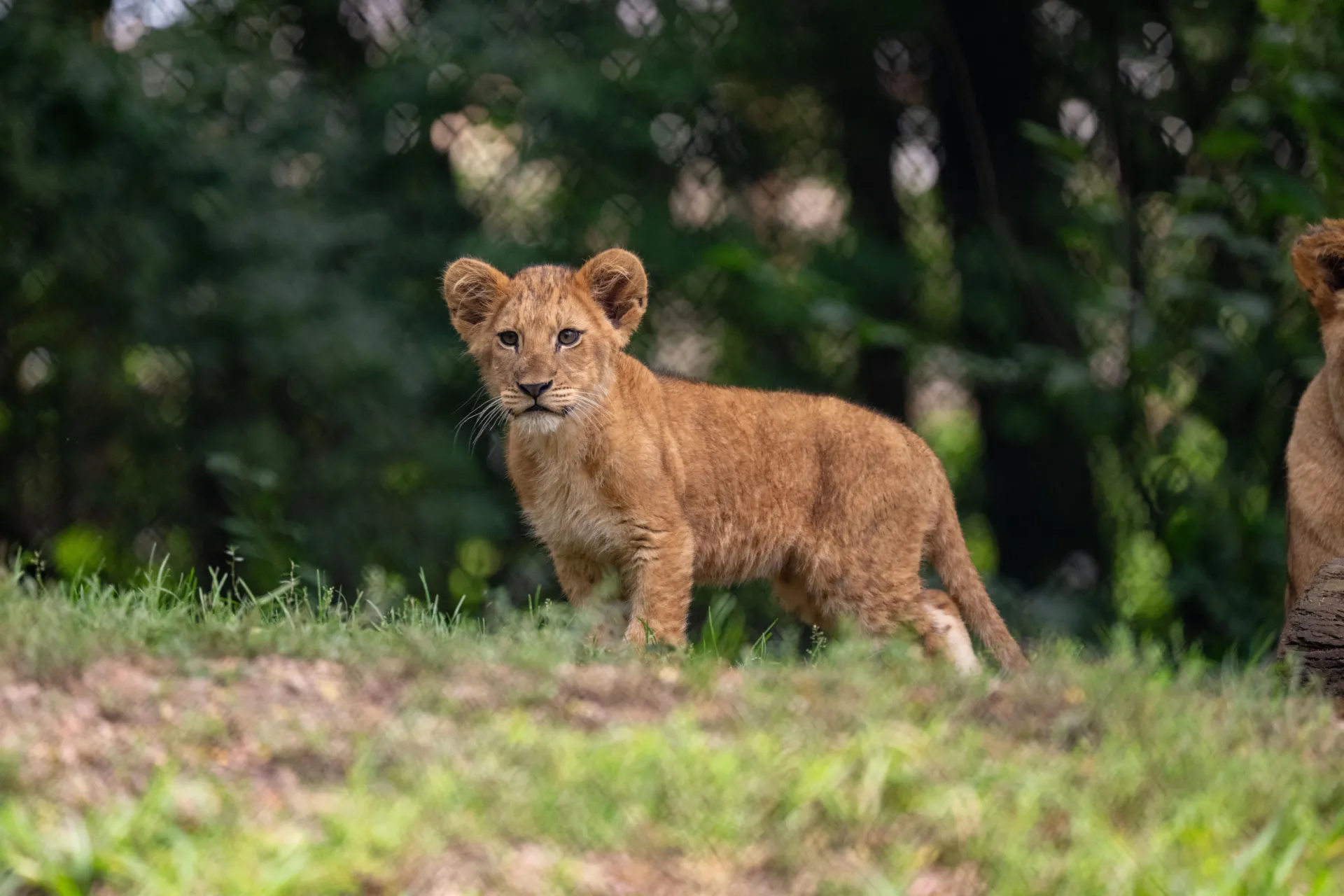
The Cub Has Been Dubbed
Pittsburgh Zoo & Aquarium Announces Name of Lion Cub August 10, 2026After weeks of anticipation, the Pittsburgh Zoo & Aquarium is pleased to announce both the official August 10 public debut and name of our four-month-old female African lion cub.…
-
August 7, 2026
The Perks of Being a Long-Necker
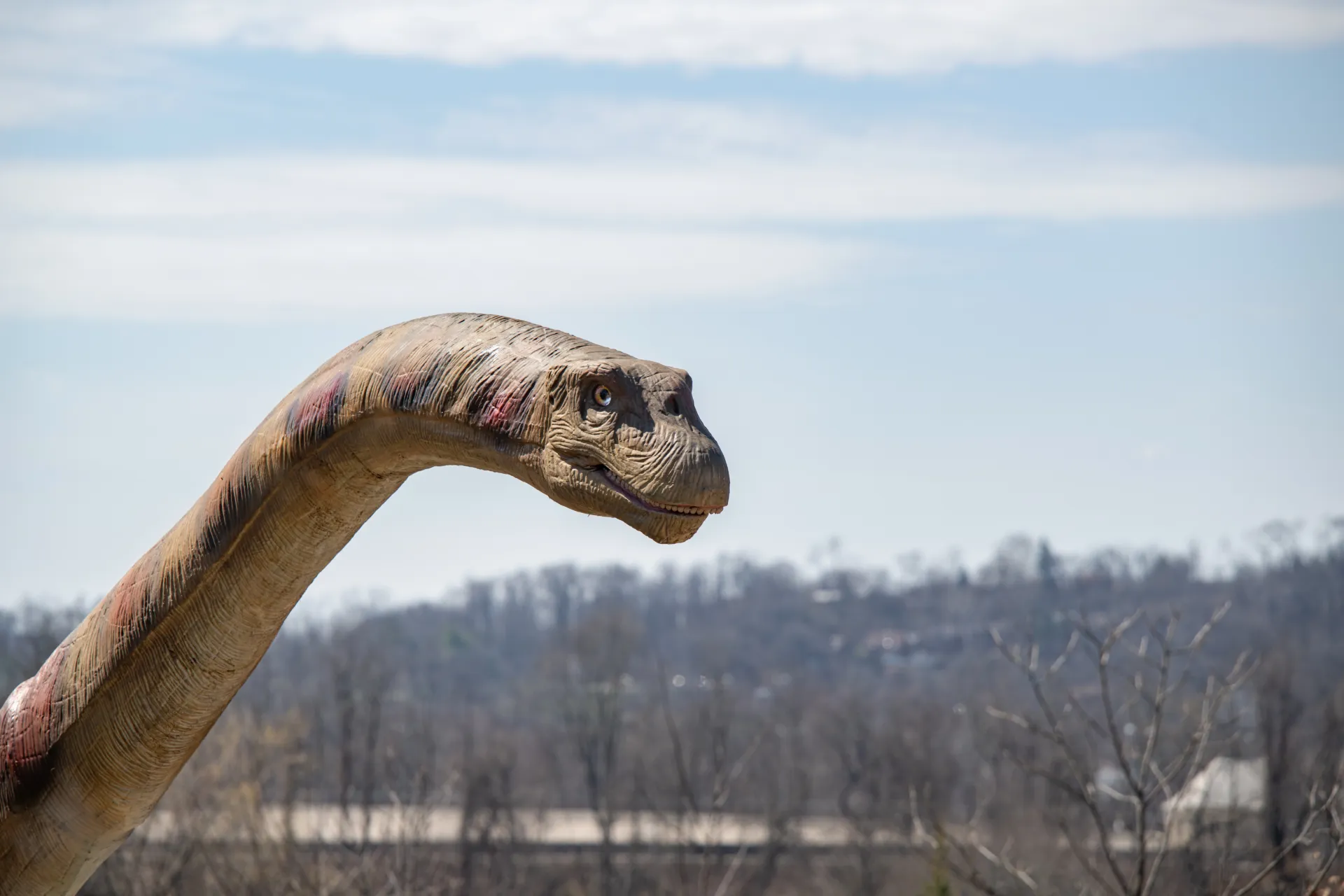
The Advantages of Having a Lengthy Neck August 7, 2026Incredibly large, plant-eating dinosaurs with long necks and tails, pillar-like legs, and contrastingly small heads belong to a group called sauropods: the largest land animals to have ever existed. This includes…