
Discover Disguises Explores Animals That Hide in Plain Sight
March 27, 2026
Little ones may not believe their eyes when they visit the Pittsburgh Zoo & Aquarium’s newest exhibit, Discover Disguises! Open now and located in the Worlds of Discovery building in Kids Kingdom, several all-new species of reptiles, amphibians, and insects and a refreshed building interior invite young visitors to play hide and seek with Mother Nature while learning about one of the building blocks of defensive adaptation – camouflage.
The creatures that reside in Discover Disguises illustrate the many diverse strategies animals use to hide themselves from predators or prey, masking their location, identity, and movement. These defense mechanisms include countershading, patterning, and coloration, as well as impersonating something else, such as leaves, moss, sticks, flowers, or even animal droppings.
The rough and bumpy skin of the Tonkin bug-eyed frog helps it blend with moss covered rocks; when startled, it plays dead and looks even more like a clump of moss. The panther chameleon has special cells within its skin that allow it to change colors and reflect different patterns of light. The gray tree frog uses its sticky toe pads to perch on trees and can change its color based on temperature and daylight. Common American walkingsticks resemble twigs to hide from predators – while moving they even rock sideways mimicking branches blowing in the breeze.
“Frogs, snakes, birds – many species use their incredible camouflage to survive,” says Vice President of Education and Community Engagement Jenn Torpie. “Discover Disguises encourages explorers of all ages to look around and find the animals hidden around us. We hope it sparks young learners’ curiosity for the natural world around them, both at the Zoo and at home.”
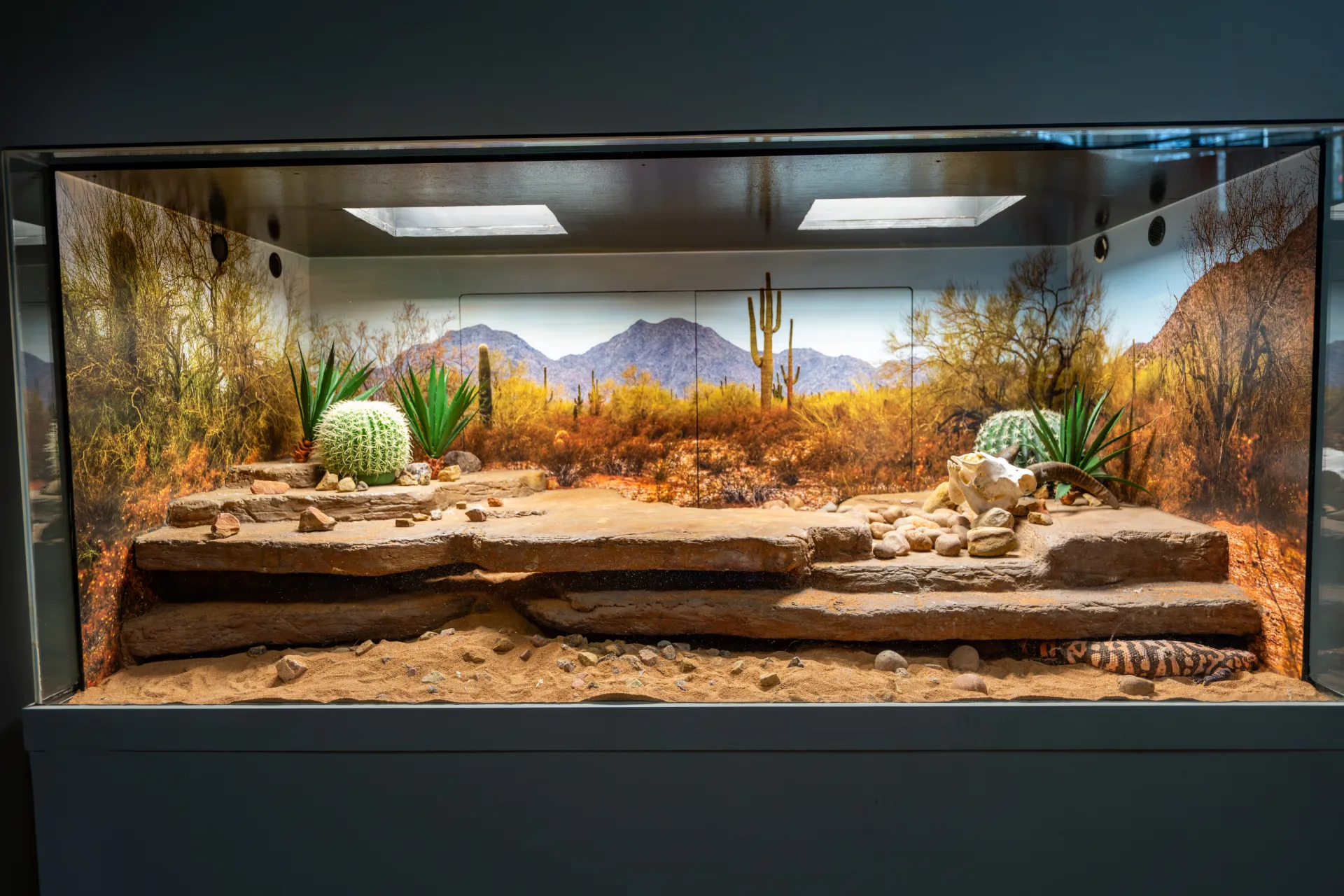
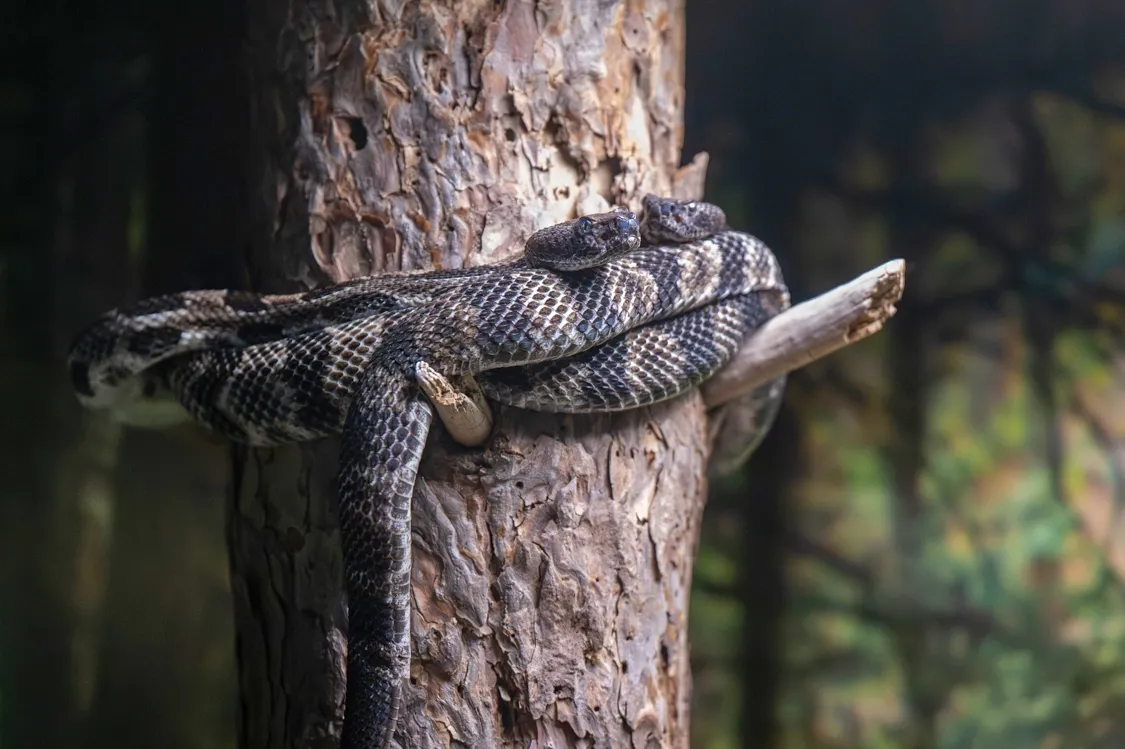
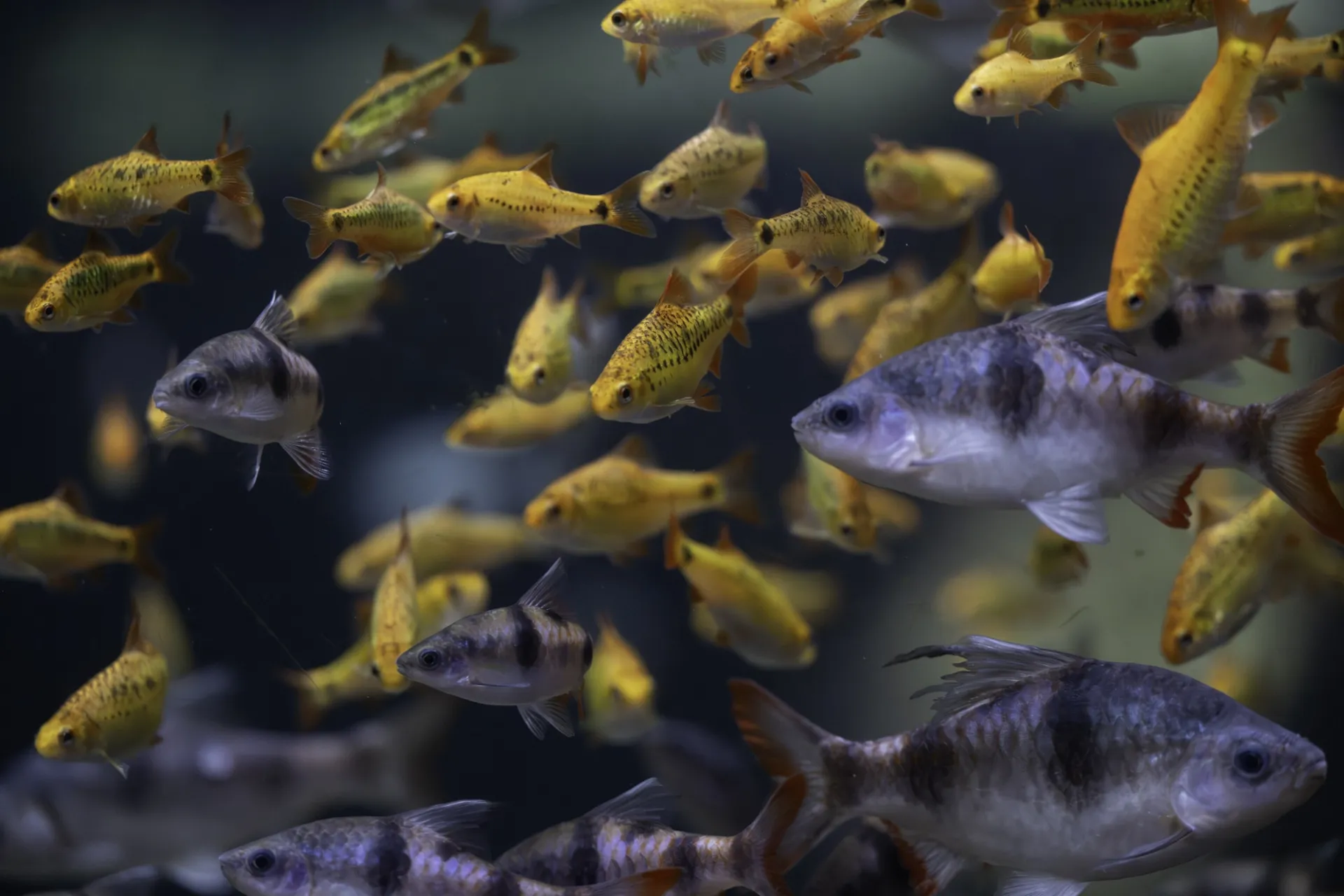
Also among the vanishing acts in Discover Disguises, African cichlids reveal how fish camouflage themselves in the water through countershading as light-colored scales on the fish’s bottom and dark-colored scales on top allow them to hide from predators both above and below. Animals that use their patterns or shapes and structures to match their surroundings like leaf-tailed geckos and the timber rattlesnake disappear before your eyes. Masters of disguise like marbled frogs assume the role of what surrounds them in nature, in this case mimicking bird droppings. One of the Zoo’s most popular reptiles returns, as the Gila monster’s colors allow it to blend into its background and warn predators that it is venomous.
Be sure to stop by on your next visit and see some of nature’s most incredible disappearing acts! Plan your visit here!
-
March 27, 2026
Now You See Them, Now You Don’t: New Exhibit Celebrates Camouflage
Discover Disguises Explores Animals That Hide in Plain Sight March 27, 2026Little ones may not believe their eyes when they visit the Pittsburgh Zoo & Aquarium’s newest exhibit, Discover Disguises! Open now and located in the Worlds of Discovery building…
-
March 17, 2026
Pittsburgh Zoo Exploring North Shore Aquarium
Feasibility Study to Investigate Potential Project March 17, 2026The Pittsburgh Zoo & Aquarium is exploring the feasibility of developing a new, stand-alone cultural destination on the North Shore: the Pennsylvania Aquarium. The project is currently in the conceptual and exploratory…
-
March 16, 2026
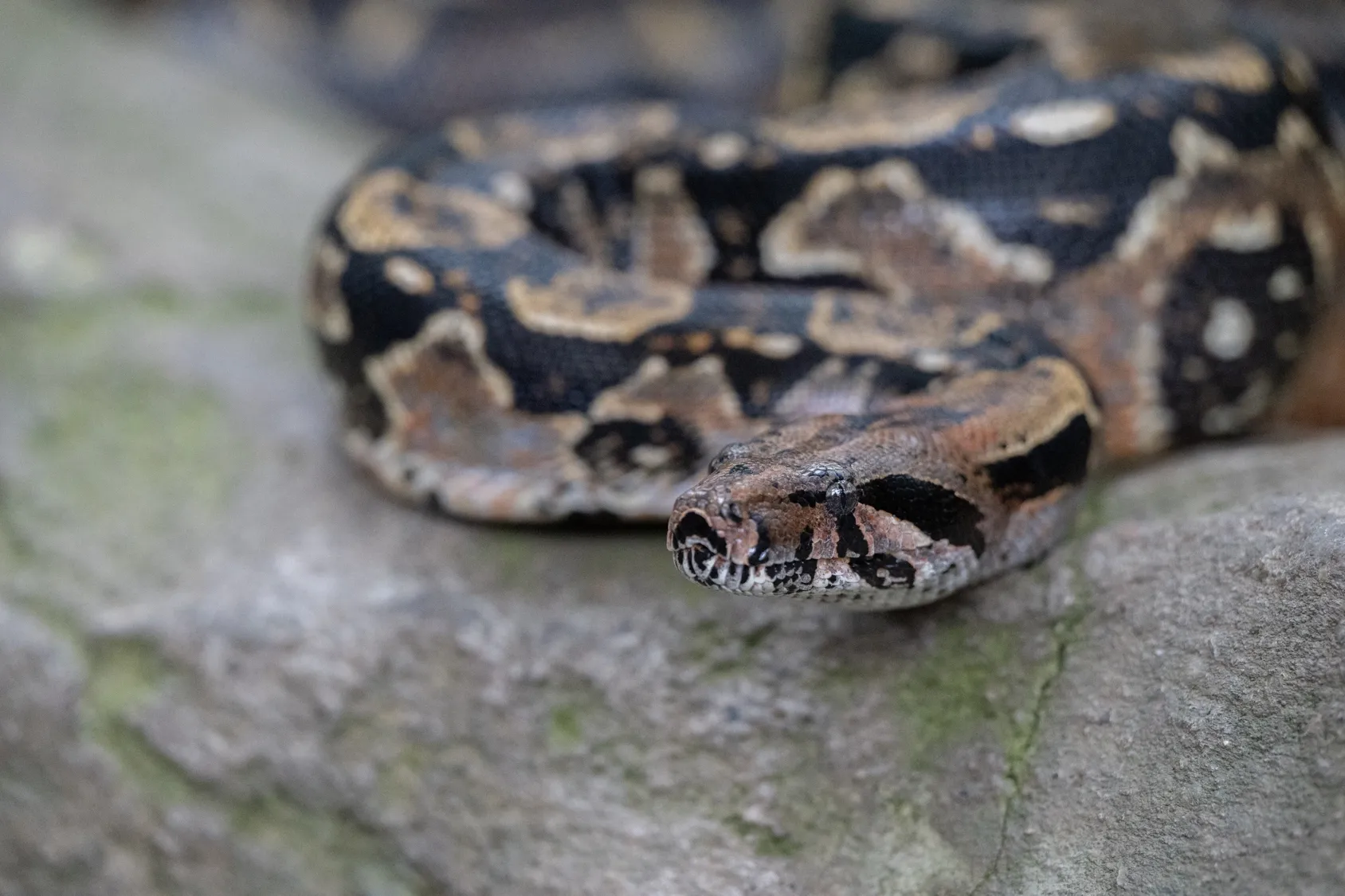
Ireland May Not Have Snakes, But the Pittsburgh Zoo Does!
Snakes, Saints, and Science March 16, 2026The legend of St. Patrick and the snakes is one of the most famous March 17 stories. According to Irish folklore, the patron saint drove all the snakes out of Ireland during the fifth…
-
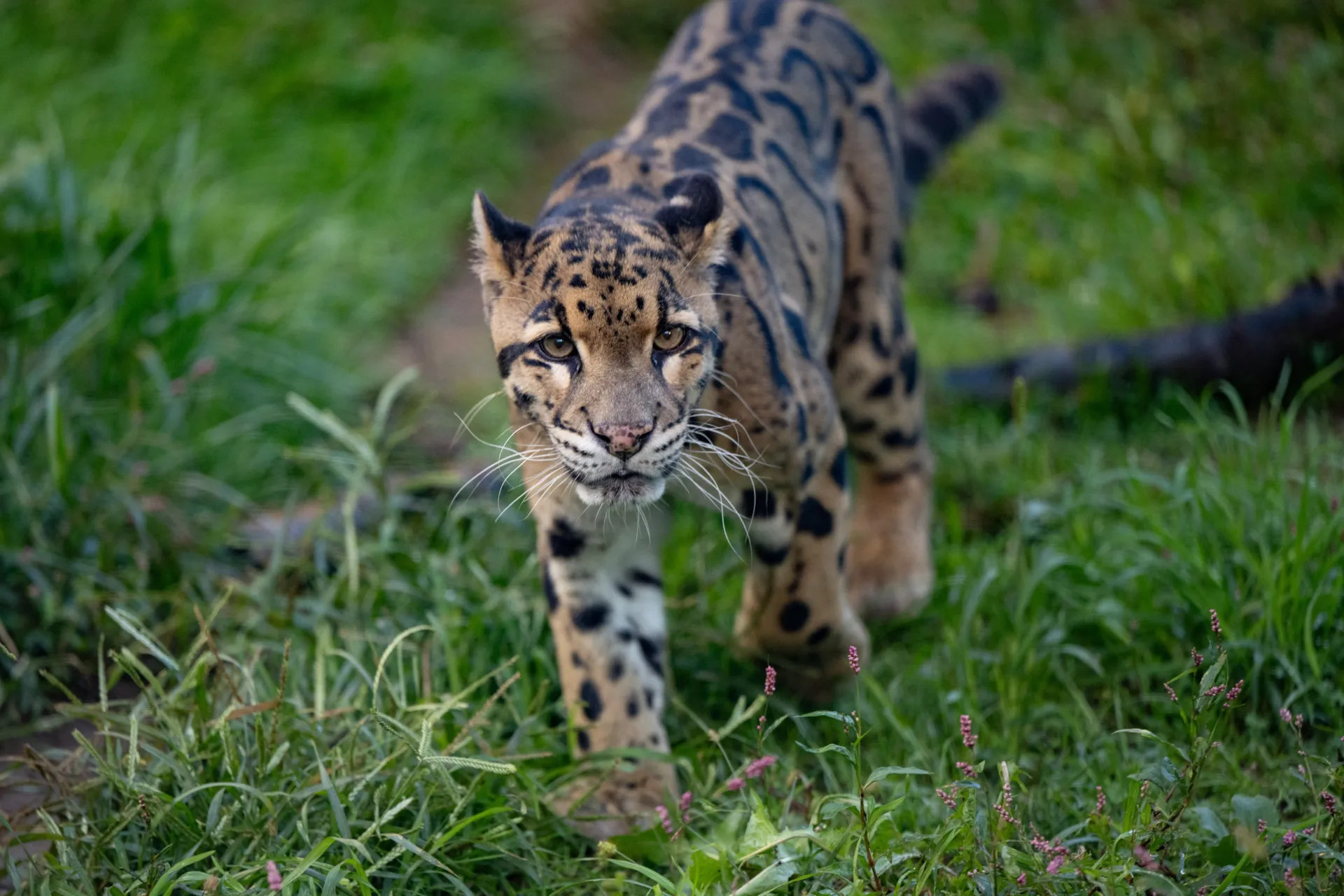
March 14, 2026
Zoo Clouded Leopard Celebrates 3.14 Birthday
Birthday Pi March 14, 2026March 14 is Pi Day, in celebration of the mathematical constant 3.14. This is also a magic number at the Pittsburgh Zoo & Aquarium because it means it is our Pi’s day – Pi the clouded…
-
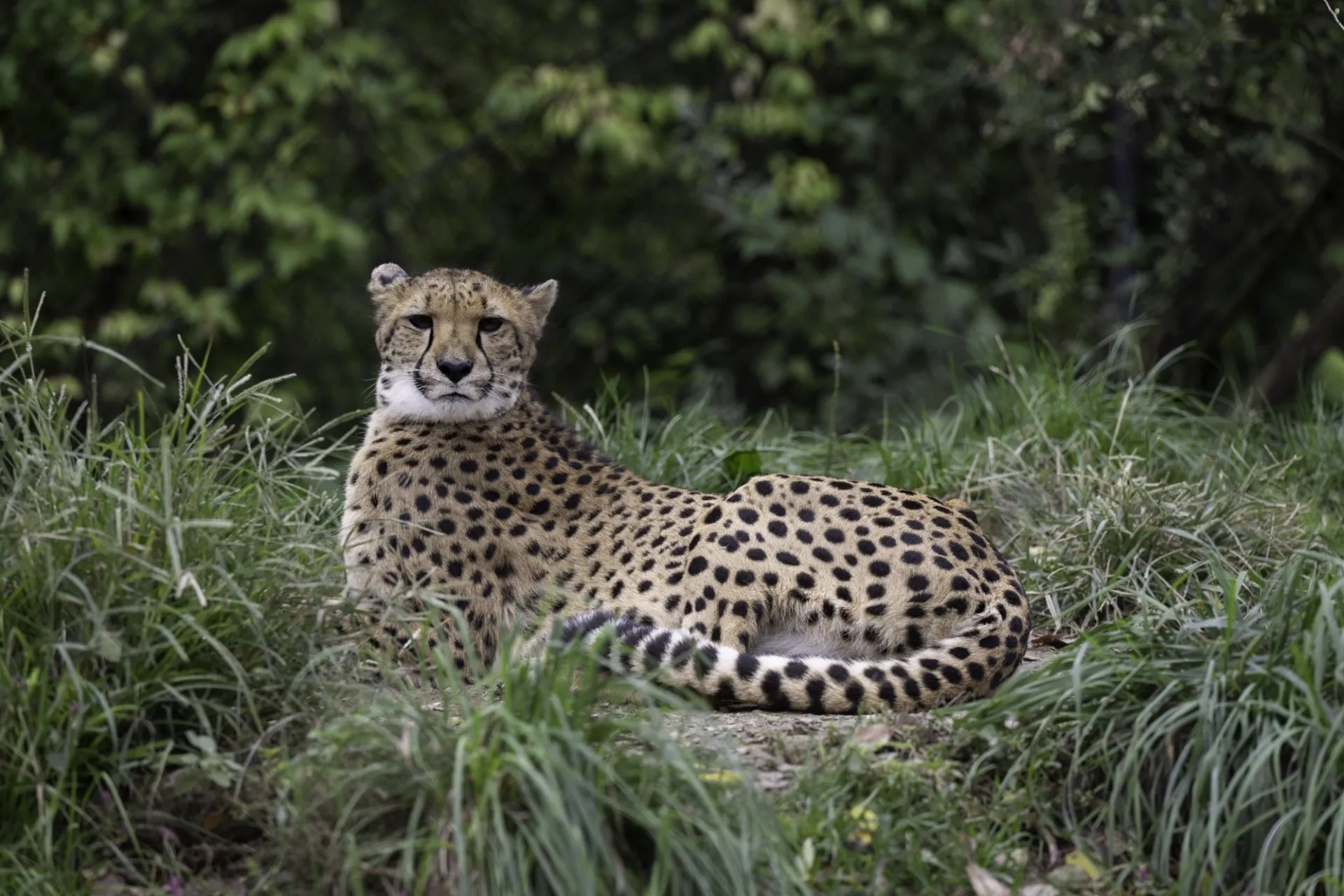
February 20, 2026
Voices for Nature: Black Americans Who Changed Environmental History
Honoring African American Contributions to Conservation This Black History Month February 20, 2026This Black History Month, the Pittsburgh Zoo & Aquarium honors the African American scientists, veterinarians, conservationists, environmental advocates, and educators whose work strengthens wildlife protection and inspires the…