Electronics and Cellphone Recycling
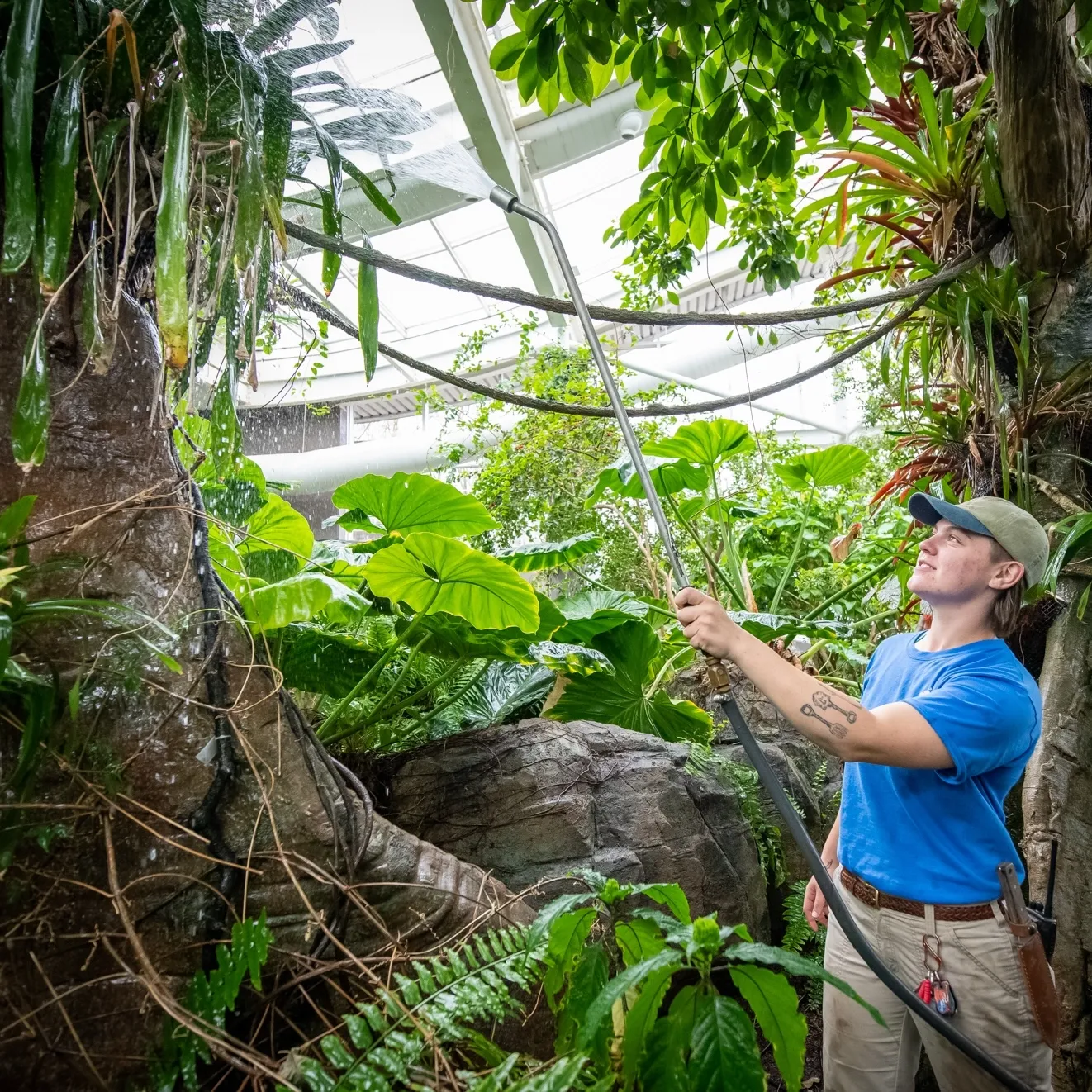
The Pittsburgh Zoo partners with the SAFE Gorilla program and gathers donations of used cell phones and small electronics to recycle. Recycling small electronics and phones (with or without cords and cables) reduces pressure on metal mining in gorilla habitats.
The year-round drop-off box at the Zoo is located at the bottom of the escalators near the front gate.
Palm Oil
Palm oil is the world’s most widely used vegetable oil—found in about half of all supermarket products, from snacks and cosmetics to toothpaste and biodiesel fuel.
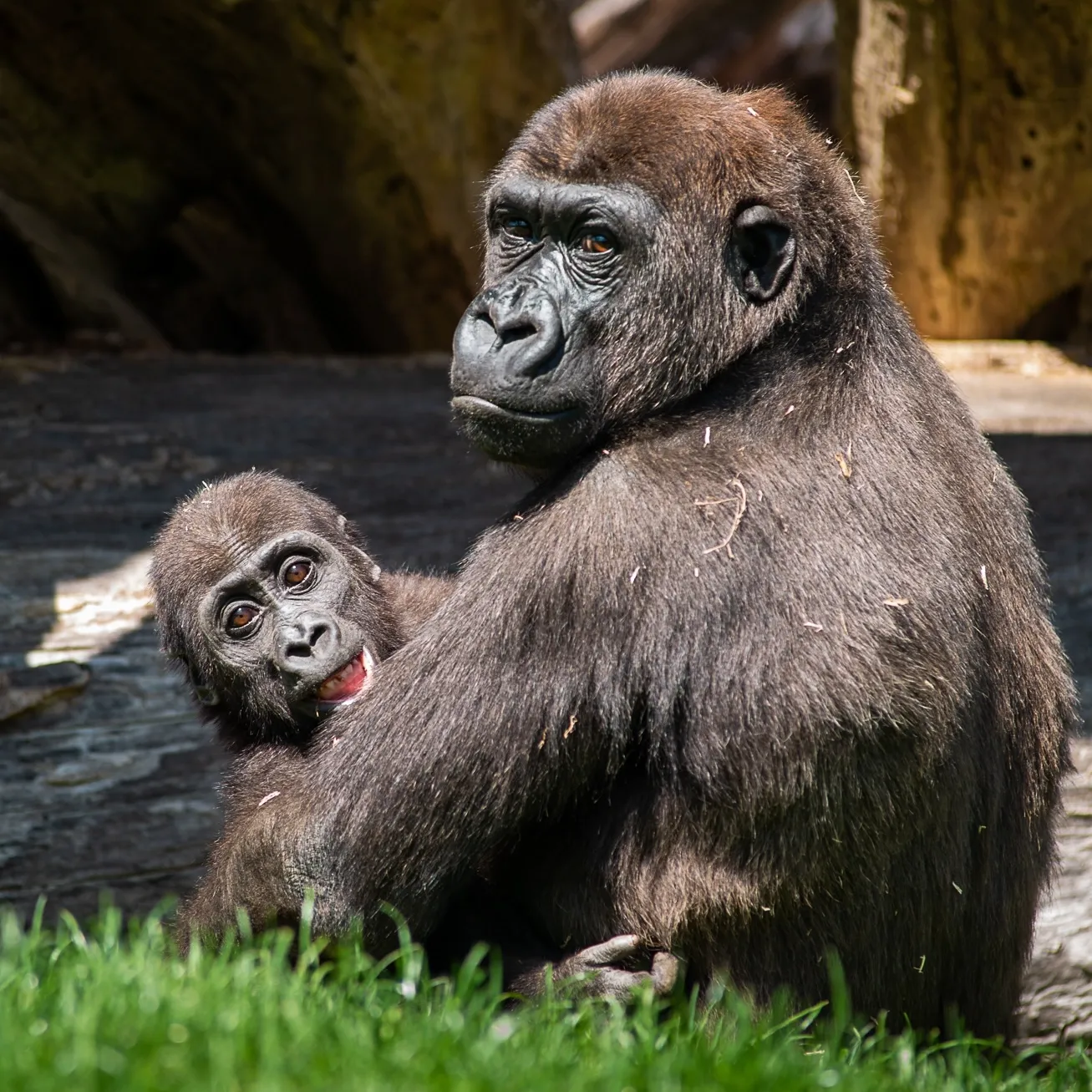
However, its production comes at a cost. Every hour, an area of rainforest the size of 300 football fields is cleared for palm oil. This destroys habitats, endangers wildlife, and worsens climate change. Unlike diverse forests, palm plantations cannot absorb as much carbon or support as much life.
You can screen your purchases to avoid unsustainable palm oil by using this app from our friends at Cheyenne Mountain Zoo.

Seafood Watch
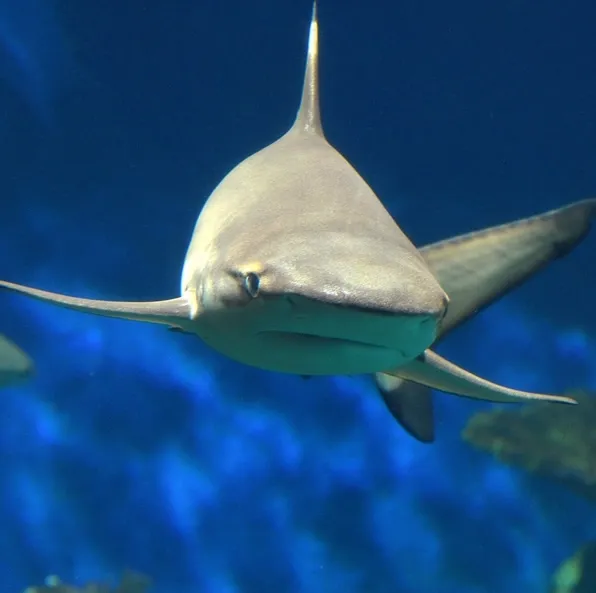
The Pittsburgh Zoo & Aquarium teams up with the Monterey Bay Aquarium to help visitors make ocean-friendly seafood choices. Overfishing is one of the major causes of decline in marine ecosystems and your choice of seafood can make a difference! See Seafood Watch to make the best seafood choices.
You can learn more by visiting the Water’s Edge exhibit, where you can compare smart picks and harmful options side by side – showing how your choices affect fish populations, ocean health, and your own well-being.
Climate Action
Climate change is a generational challenge impacting humans and wildlife alike. You can take meaningful actions to reduce and reverse your climate impact at home! From reducing energy use, weatherproofing your home, or converting to a more plant-based diet, your personal actions can bring many benefits!
Here is a simple guide for taking climate action in our personal lives.
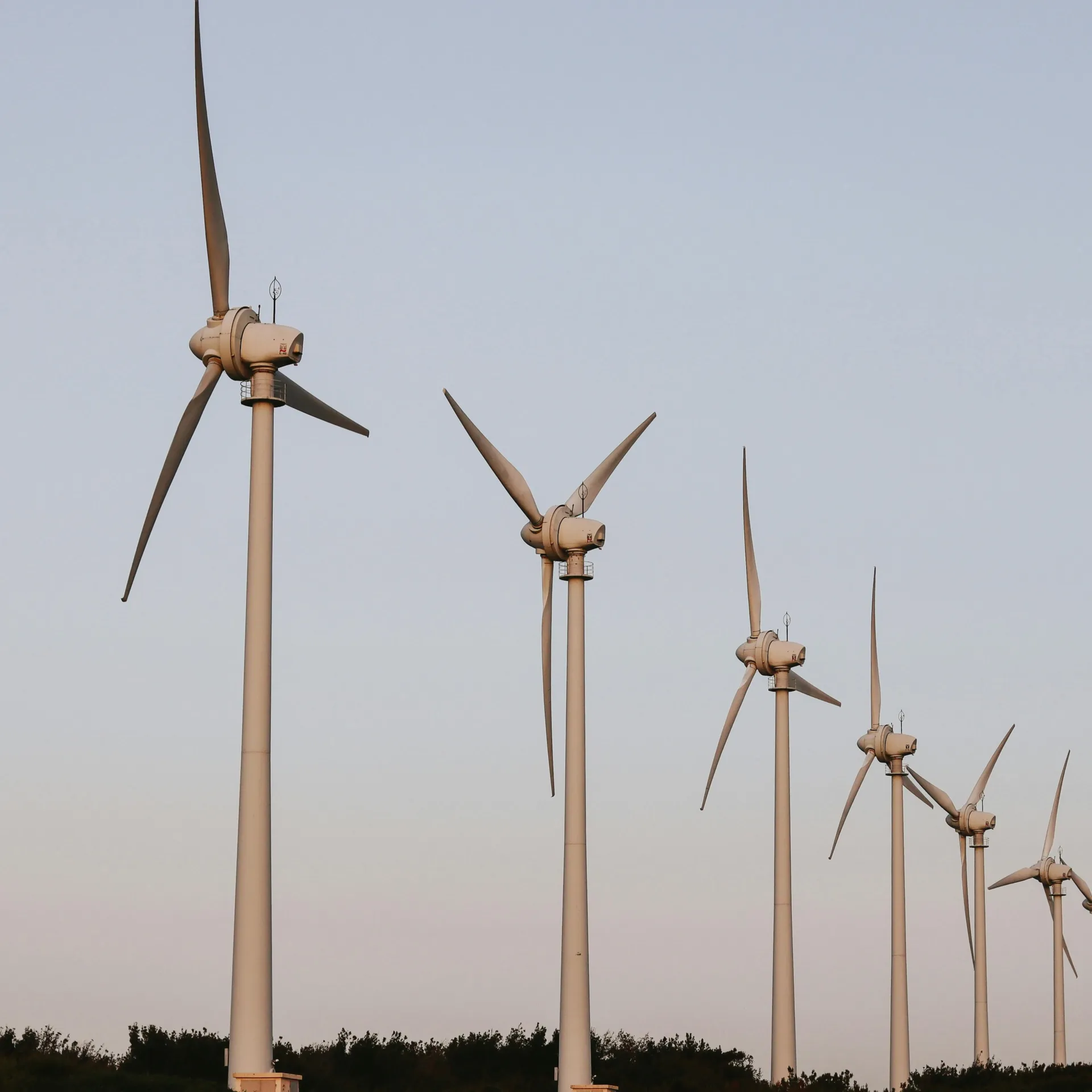
You can also compare renewable energy options in Pennsylvania.
Living Landscapes
Songbird and insect declines are in serious decline in North America. Besides habitat loss, insecticides and other harmful practices (such as night lights) lead to loss of insects, especially caterpillars, that support bird populations. You can take action and help reverse this decline by planting habitat-providing trees, shrubs, and other plants that support insects and birds. These actions can be at any scale you can manage—from a plant pot to your front or backyard.