
All is Wild, All is Bright
December 18, 2025
Filled with amazing sights, sounds, and colors, Wild Illuminations: A Holiday Lantern Experience, presented by UPMC Health Plan, is a seasonal safari for the senses! This unforgettable holiday light show brings joy to the wild world in the form of amazing animal lights and lanterns. Some of our favorite creatures are represented as the Pittsburgh Zoo transforms into the Litsburgh Zoo at this special time of the year. Here are a few of our favorite lanterns that spark festive facts about fauna:
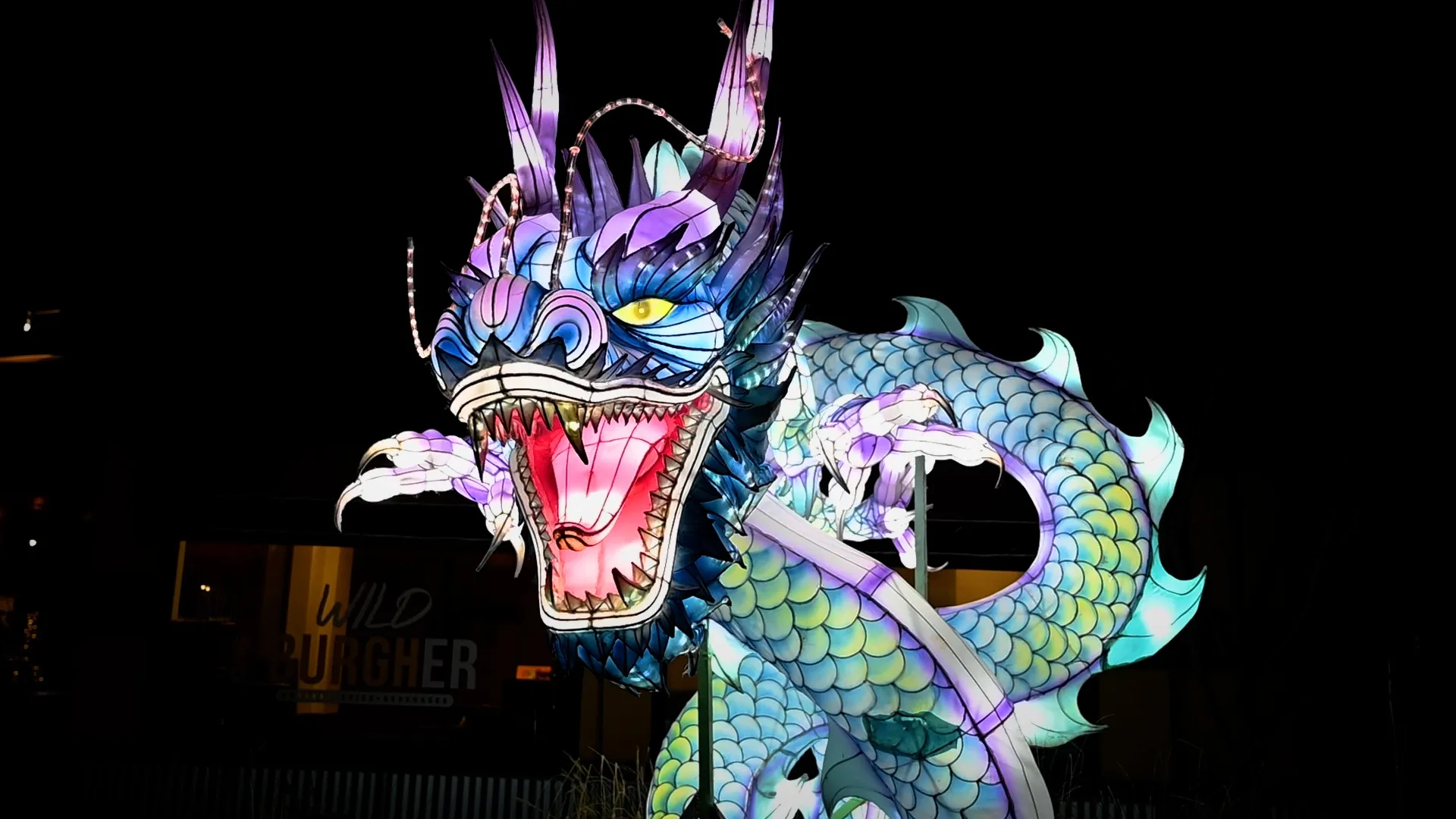
1. Dragon
You may think that dragons are a myth-conception, but one calls the Pittsburgh Zoo & Aquarium home: Juanita the Komodo dragon! This large monitor lizard dominates the ecosystems of the Indonesian islands where they live. The comparison to the fire-breathers of fantasy may not be so far off – in the Komodo language, the dragons are called sebae, which means “twins,” due to a traditional belief by the Komodo people that they share the same spiritual mother as dragons.
2. Jellyfish
Jellyfish are living wild illuminations! Some species can glow in the dark due to a biological process known as bioluminescence. Chemical reactions in jelly bodies allow them to emit light in dark waters for many purposes, including defense, communication, and attractive prey.
3. Flamingo
The soft pink light emanating from the flamingo lanterns is one of the softer hues in our colorful light show. It adds a warm glow to the winter evening, but did you know that these birds are not naturally pink? The rosy color results from what the bird eats. The flamingo diet is rich in organisms that are loaded with beta carotene, which is the same pigment that turns tomatoes red and carrots orange.
4. Polar Bear
Chances are you will never hear a polar bear break into “Baby, It’s Cold Outside.” Double-layered coats protect these über-ursines against the bone-chilling temperatures of the Arctic. The coarse outer hair protects its undercoat and is called guard hair. This layering is responsible for the color of the bear’s fur. Polar bears are not actually white – lighting and climatic surroundings determine the color of their fur. Each strand of guard hair is transparent, with a hollow core and no colored pigments. The undercoat of thinner hair is also colorless, but unlike guard hair, is not hollow. These hair properties allow polar bears to use light for defense and camouflage.
5. Giraffes
The holidays are the perfect time to visit your mom and celebrate with our families. Giraffes also maintain strong family bonds and complex social structures. Like elephants, giraffes have matrilineal societies, based on kinship with the mother or the female line and have close bonds with their mothers and grandmothers. Giraffe females are also excellent babysitters, as they cooperate and take care of each other’s young.
These and many other creatures come to shining life in Pittsburgh’s wildest holiday lights and lanterns display, at the Zoo select nights now through January 11. Buy your tickets now!
-
March 17, 2026
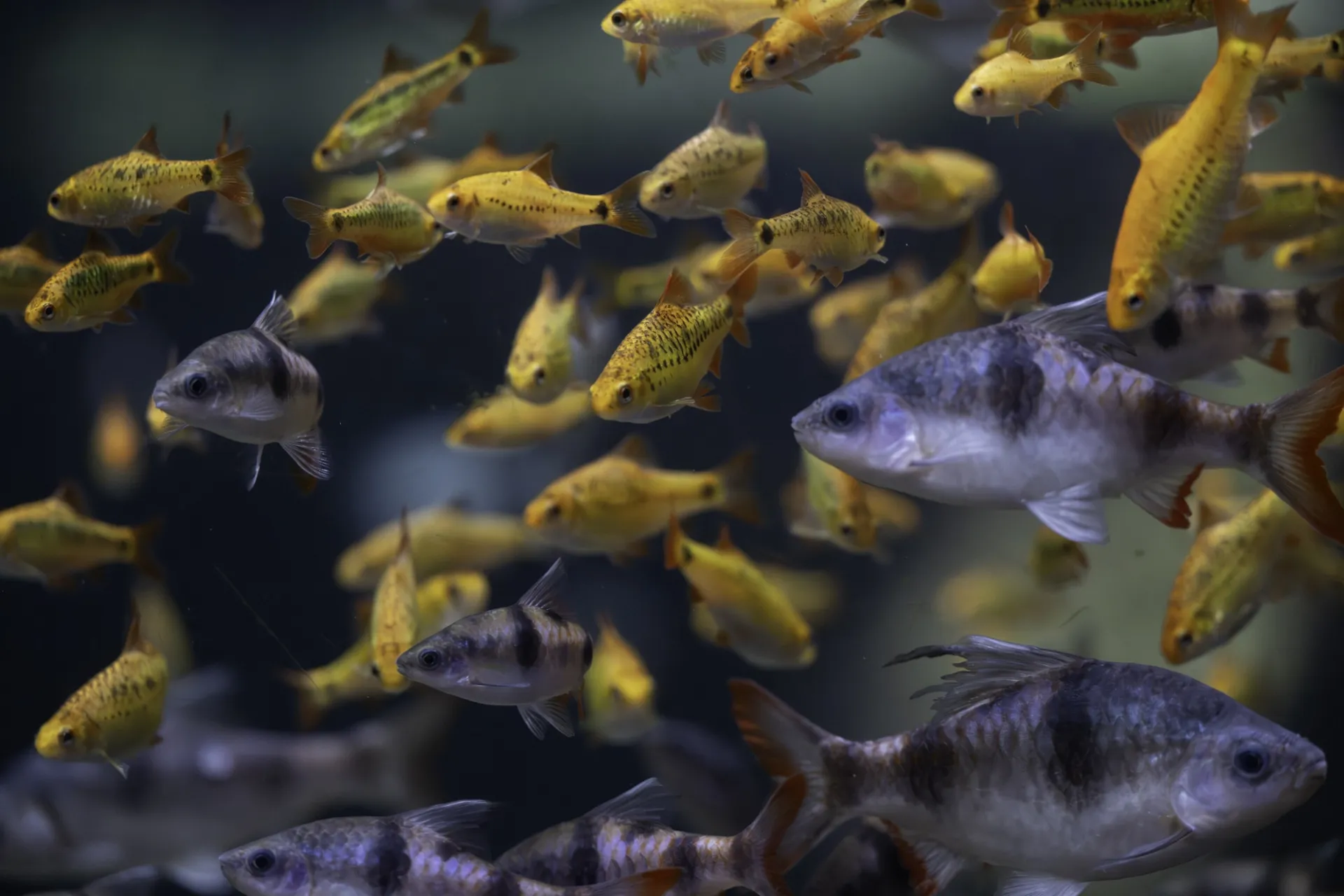
Pittsburgh Zoo Exploring North Shore Aquarium
Feasibility Study to Investigate Potential Project March 17, 2026The Pittsburgh Zoo & Aquarium is exploring the feasibility of developing a new, stand-alone cultural destination on the North Shore: the Pennsylvania Aquarium. The project is currently in the conceptual and exploratory…
-
March 16, 2026
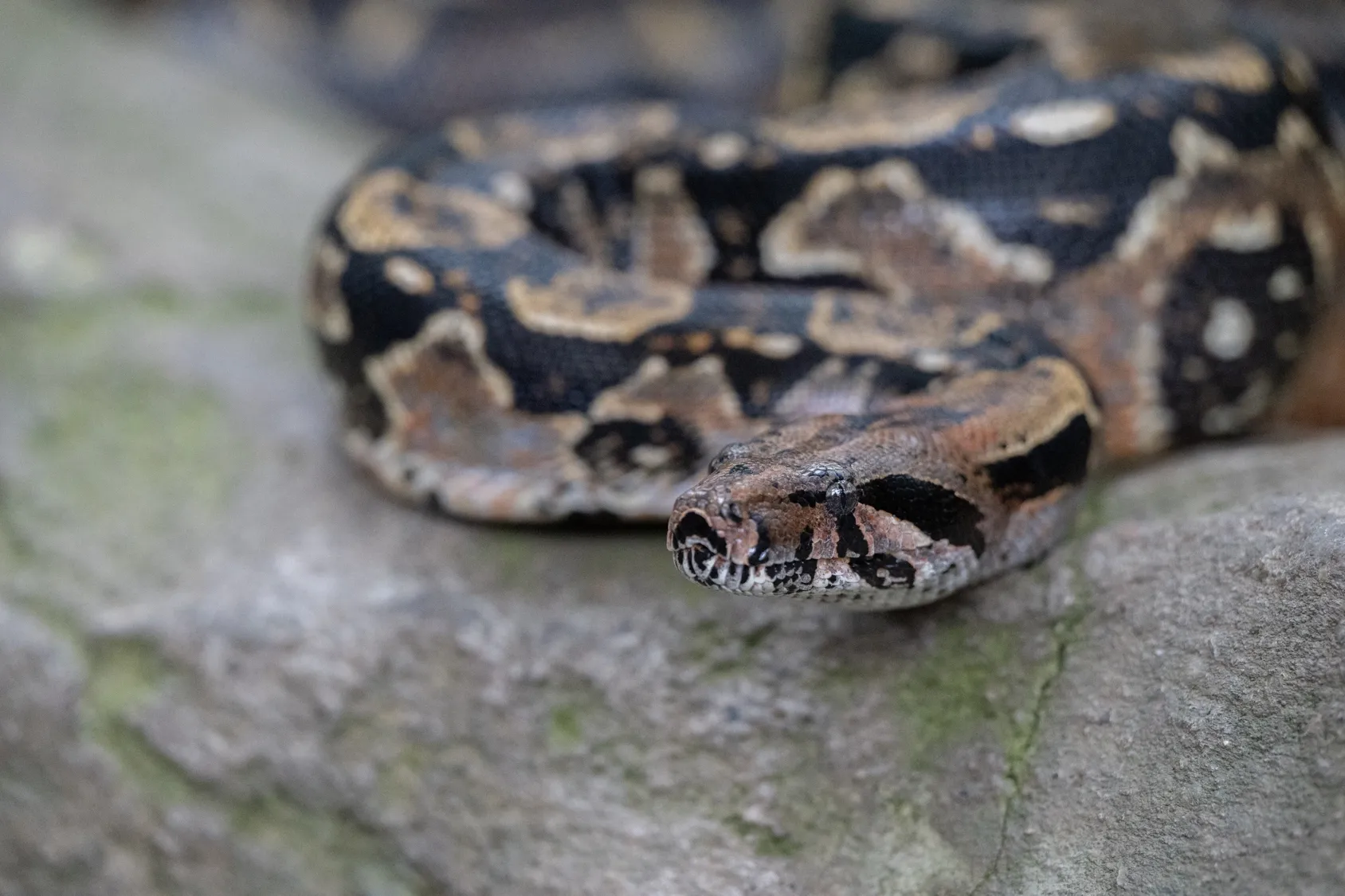
Ireland May Not Have Snakes, But the Pittsburgh Zoo Does!
Snakes, Saints, and Science March 16, 2026The legend of St. Patrick and the snakes is one of the most famous March 17 stories. According to Irish folklore, the patron saint drove all the snakes out of Ireland during the fifth…
-
March 14, 2026
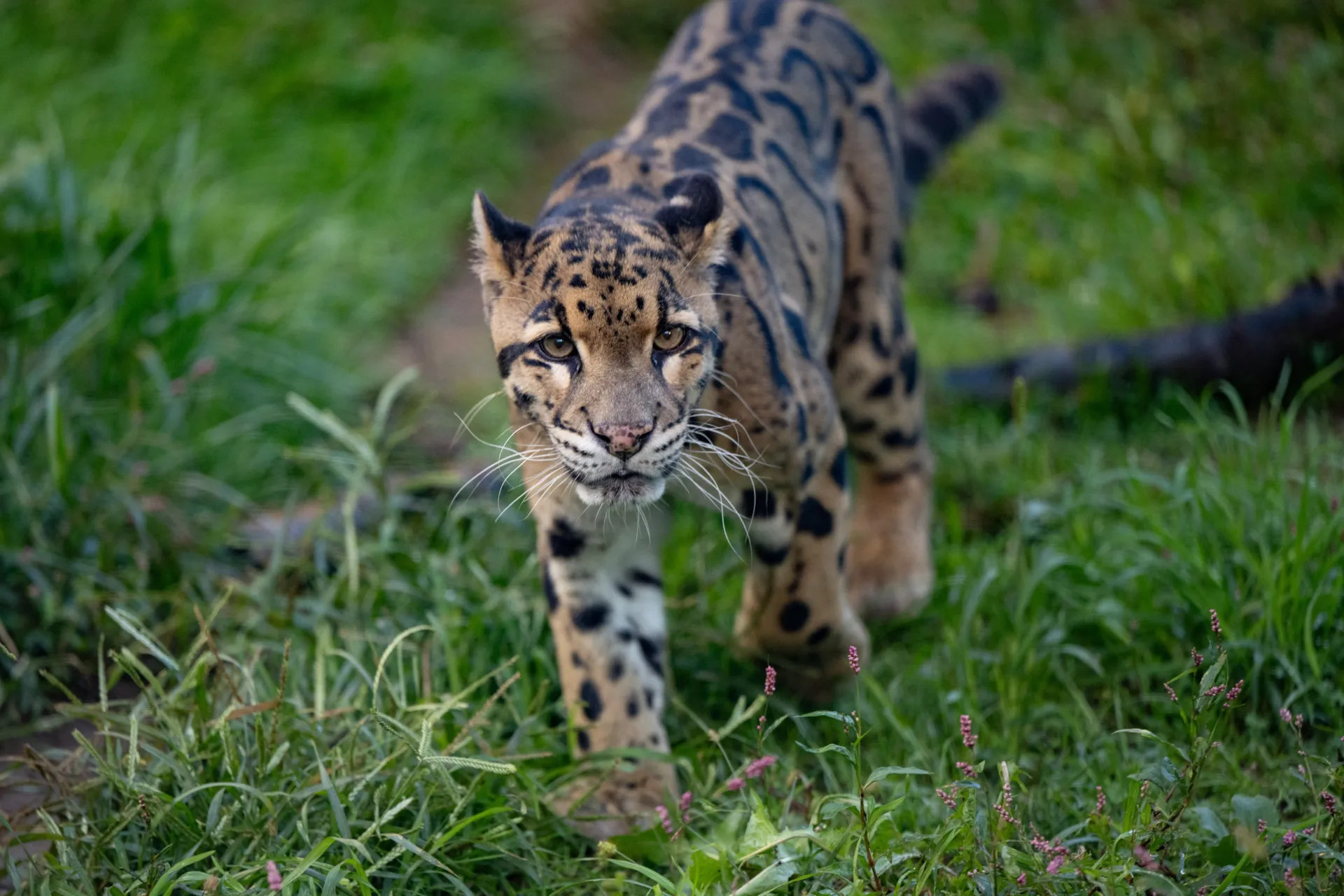
Zoo Clouded Leopard Celebrates 3.14 Birthday
Birthday Pi March 14, 2026March 14 is Pi Day, in celebration of the mathematical constant 3.14. This is also a magic number at the Pittsburgh Zoo & Aquarium because it means it is our Pi’s day – Pi the clouded…
-
February 20, 2026
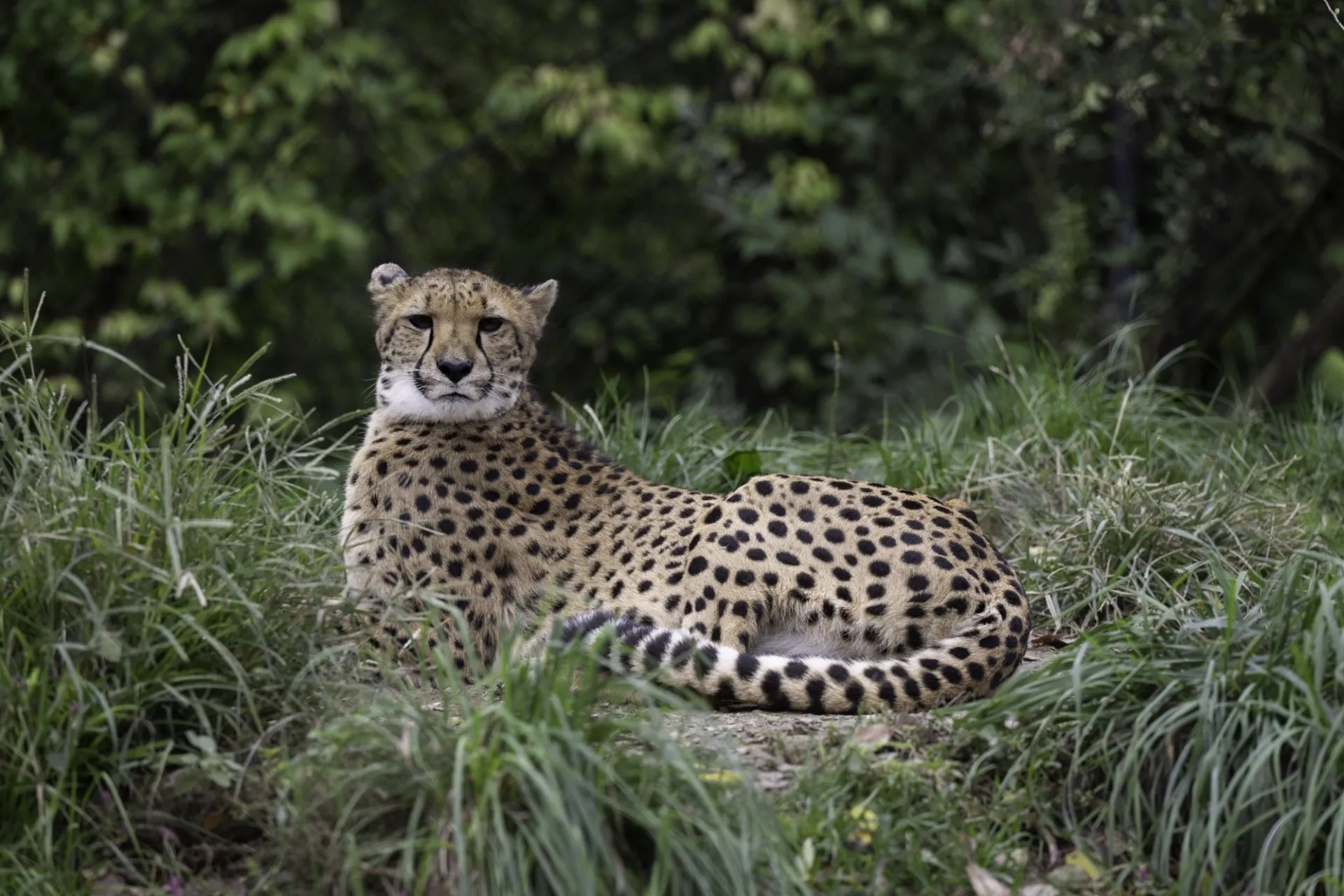
Voices for Nature: Black Americans Who Changed Environmental History
Honoring African American Contributions to Conservation This Black History Month February 20, 2026This Black History Month, the Pittsburgh Zoo & Aquarium honors the African American scientists, veterinarians, conservationists, environmental advocates, and educators whose work strengthens wildlife protection and inspires the…
-
February 17, 2026
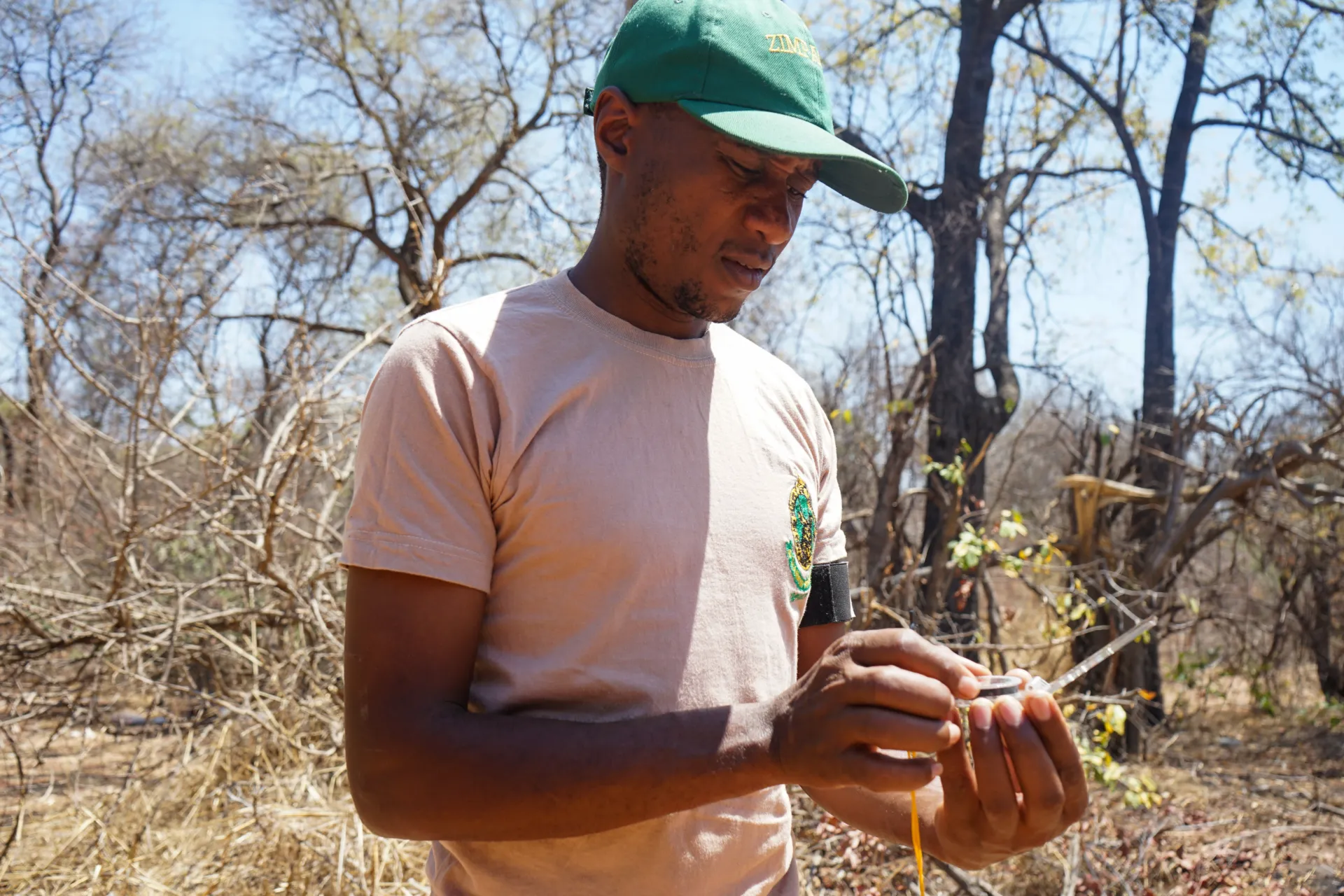
Strengthening Ranger Training in Zambezi National Park
Empowering Conservation Heroes for a Sustainable Future February 18. 2026Pittsburgh Zoo & Aquarium has worked with Victoria Falls Wildlife Trust over a decade on elephant and wildlife health. In 2025, we supported Victoria Falls Wildlife Trust for providing wildlife ranger…