
Plenty to Roar About in 2025
December 31, 2025
The Pittsburgh Zoo & Aquarium had plenty to roar about in 2025! From conservation to construction to camp, amazing things happened every day at Pittsburgh’s most visited cultural institution. Here is a look back at some of the highlights of one wild year at the Zoo:
1. Sea Turtle Rescues and Rehab
Seven rescued Kemp’s ridley, four green, and two loggerhead sea turtles were rehabilitated at the Pittsburgh Zoo & Aquarium as part of its Sea Turtle Second Chance Program, sponsored by Peoples. The program has been successfully rescuing and rehabilitating sea turtles every year for more than a decade. The were rescued by the New England Aquarium the last week of November 2024 and were transported by air to Pittsburgh. They were found along the Massachusetts coast after washing ashore due to the drop in ocean temperature. They were unable to reach the warmer gulfstream and were stranded in cold water that left their bodies stunned. All were successfully released back into the Atlantic Ocean in April 2025.
2. Red Panda Safe Program
The Zoo has long been home to red pandas and has supported the conservation of these beloved animals in the wild. Several Zoo staff members were key players in creating and managing the SAFE (Saving Animals from Extinction) Red Panda program – an Association of Zoos and Aquariums (AZA) initiative that connects zoo-based conservation efforts with outcomes in the field. Pittsburgh Zoo Director of Conservation Dr. Shafkat Khan is the Vice Program Leader – Conservation Action Lead of the SAFE program, Vice President of Education and Community Engagement Dr. Jenn Torpie co-leads the Public Engagement workgroup, and Dr. Lauren Kane, the Pittsburgh Zoo’s Senior Associate Veterinarian, is co-leader of SAFE Red Panda’s One Health workgroup. The pIan addresses key conservation challenges facing red pandas, including habitat loss and degradation, poaching and illegal trade, small and isolated populations, pathogens and diseases, infrastructure development, inadequate awareness, and climate change. This allows the Zoo to have even more of an impact for these crimson creatures, through efforts both at zoos and in the wild.
3. Special Events
The Zoo continued to offer unique seasonal experiences to our community. Spring witnessed the thawing of some of our residents’ ancestors in “Ice Age: Frozen in Time,” the ultimate chill thrill featuring animated mammoths, sabretooth cats, giant ground sloths, and more. In the fall, thousands of new, brilliantly carved pumpkins glowed in the night at the Jack O’Lantern Extravaganza, while the Zoo ended the year with the dazzle of a million lights and giant, intricate silk lanterns for “Wild Illuminations: A Holiday Lantern Experience.”
4. Hello, Hondo!
In May, the Zoo announced the addition of a new mane attraction – Hondo, an eight-year-old male African lion, who arrived as a companion for our lionesses Abana and Scarlett. The Zoo worked closely with the AZA African Lion Species Survival Plan (SSP) to find a good match for our lionesses. Expert advisors provided breeding and transfer recommendations across zoos to assure genetic and demographic diversity for lions in human care. Hondo and the lionesses have been enjoying keeping company as they continue to get to know each other.
5. $10 Million – Largest Gift in Zoo History
In June, the Zoo received the most significant gift in the history of the organization: a $10 million donation from incredibly generous donors who have decided to remain anonymous. This transformative $10 million gift not only allows us to build a new giraffe barn with enough space to start a breeding program but also permits us to begin design on a new exhibit – Expedition Indonesia – that will feature multiple species, including orangutans, siamangs, and Malaysian tapirs.
6. Welcome, Humboldts!
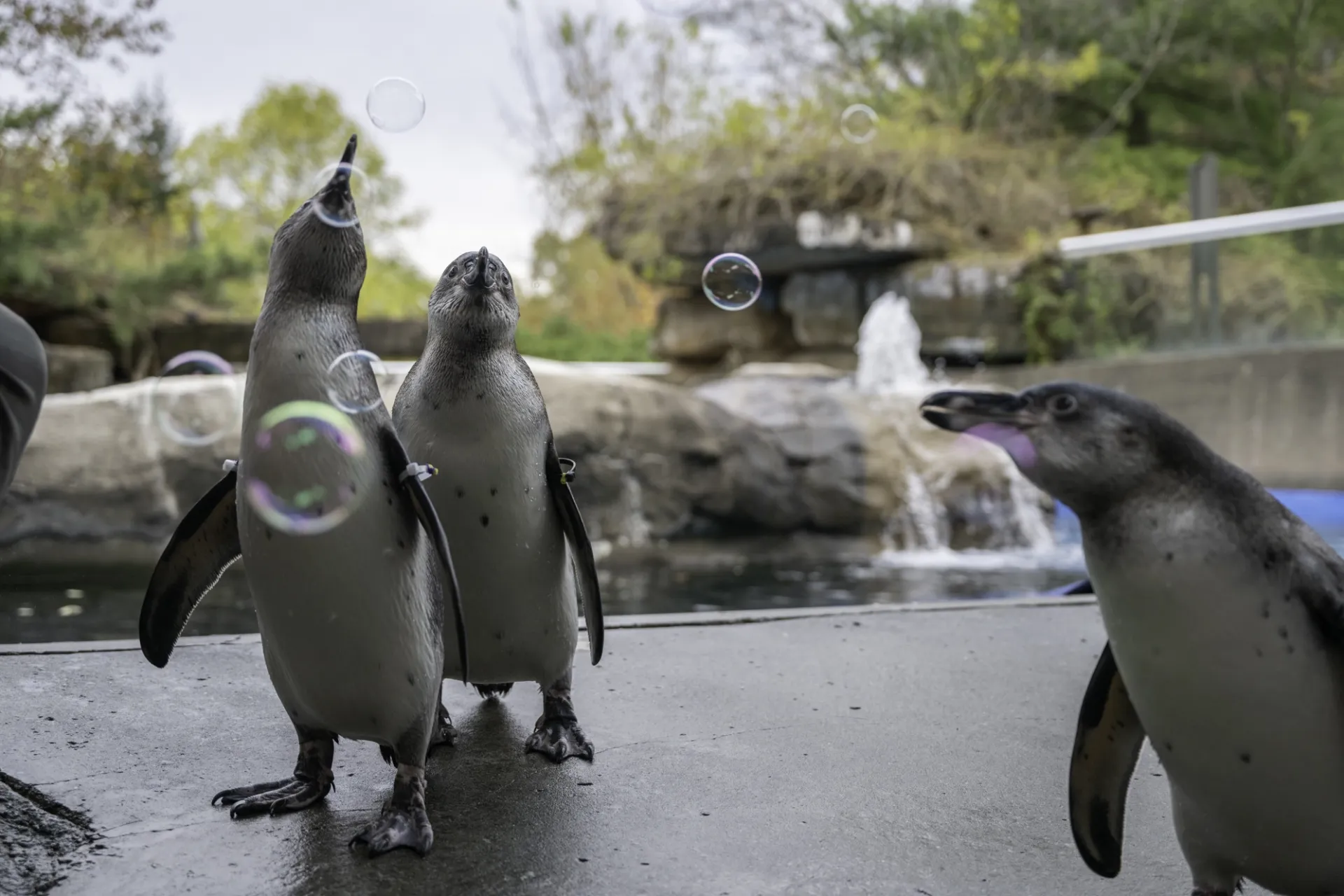
In July, the Zoo & Aquarium welcomed a new team of Pittsburgh penguins: warm weather South American Humboldt penguins! The playful black-and-white brigade settled outdoors in Kids Kingdom to the delight of guests. This rookery of rookies shares its habitat with another new species to the Zoo – scoop-beaked brown pelicans from the coasts of the Americas.
7. WAZA Accreditation
In August, the Zoo was accepted as the newest member of the World Association of Zoos & Aquariums (WAZA), the global alliance of regional associations, national federations, and zoos and aquariums, dedicated to the care and conservation of animals and their habitats around the world. The Pittsburgh Zoo is one of only two institutions in the world that are members of WAZA, accredited by the Association of Zoos & Aquariums (AZA), the Zoological Association of America (ZAA), the Alliance of Marine Mammal Parks, and certified by American Humane. This verifies that the Pittsburgh Zoo is uniquely positioned to be a world leader in the zoo profession and that we hold ourselves to the highest standards.
8. Zoo Camp Record-breaking Year
Zoo Camp had another record-breaking year with an attendance of nearly 1,800 campers this summer. Zoo Camp scholarships were offered to 29 campers, making this unforgettably wild rite of summer available to those with financial hardship.
9. Construction
Although the orange cone is an invasive species for most Pittsburghers, its abundance at the Pittsburgh Zoo & Aquarium is an indicator of progress and improvements for our animal residents and guests! Construction began to revitalize the Zoo entrance and the Pier Town area, as well as on the new giraffe barn that is the initial phase of the Zoo’s incredible master plan for the future. This did not affect the guest experience however, as hundreds of animals remained visible to visitors.
10. New Chapter in Elephant Care
The Zoo and its satellite facility, the International Conservation Center in Somerset, together forming the multi-accredited Zoological Society of Pittsburgh, embarked on a new chapter of elephant care and conservation. A carefully planned series of elephant moves will enhance herd dynamics while prioritizing the unique needs and well-being of each animal. Guests attending both the Zoo and the Conservation Center will continue to see and engage with the beloved elephants as these transitions unfold. In collaboration with the Association of Zoos & Aquariums (AZA) and leading wildlife experts, Victoria and Zuri transitioned from the Zoo to the Conservation Center in October. The goals of the plan are to ensure appropriate companionship for elephants at both facilities and allow for growth of the herd. The Zoo’s plan for our elephants strengthens our ability to continue to provide world-class care while advancing our conservation mission.
-
March 14, 2026
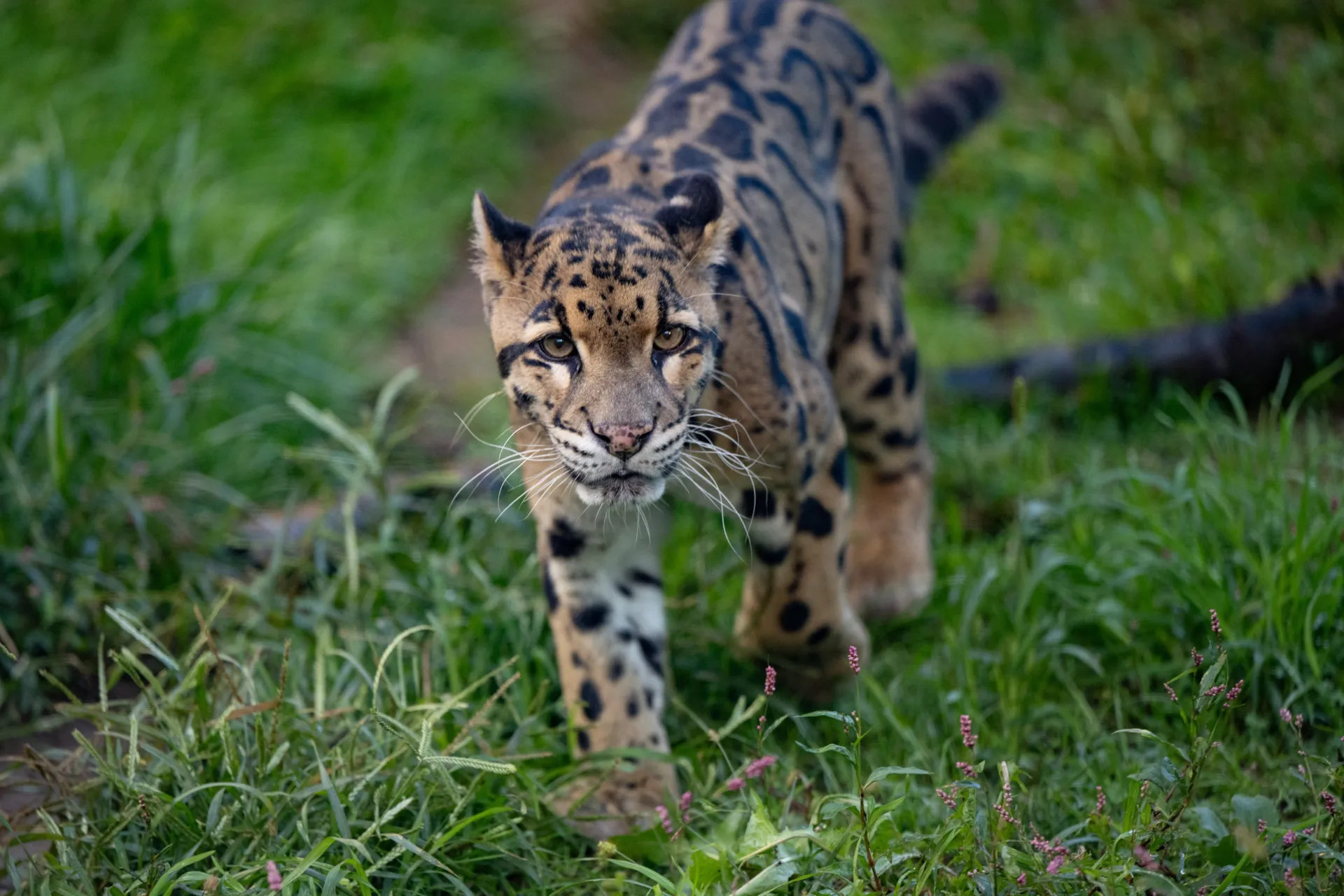
Birthday Pi
Zoo Clouded Leopard Celebrates 3.14 Birthday March 14, 2026March 14 is Pi Day, in celebration of the mathematical constant 3.14. This is also a magic number at the Pittsburgh Zoo & Aquarium because it means it is our Pi’s day…
-
February 20, 2026
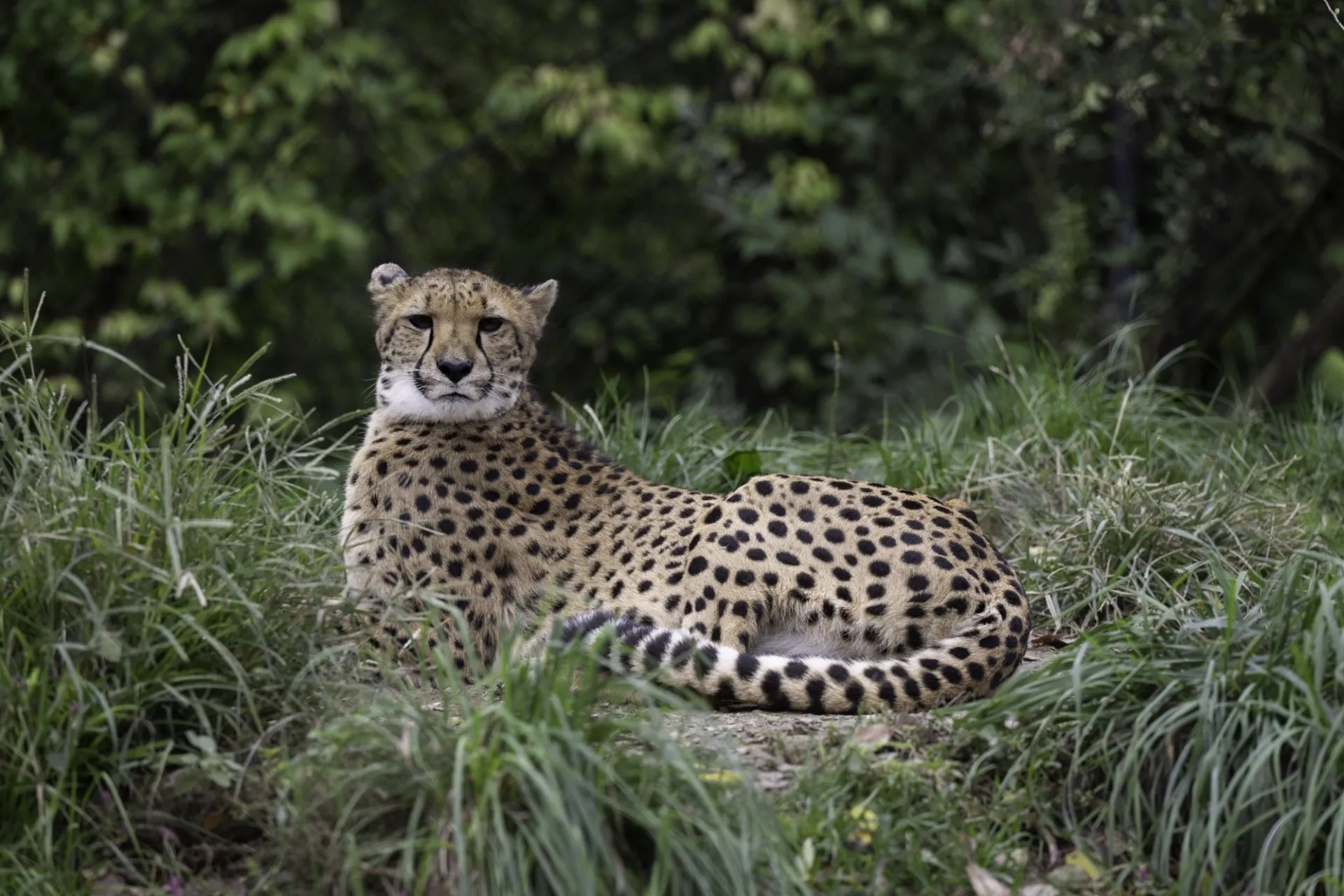
Voices for Nature: Black Americans Who Changed Environmental History
Honoring African American Contributions to Conservation This Black History Month February 20, 2026This Black History Month, the Pittsburgh Zoo & Aquarium honors the African American scientists, veterinarians, conservationists, environmental advocates, and educators whose work strengthens wildlife protection and inspires the…
-
February 17, 2026
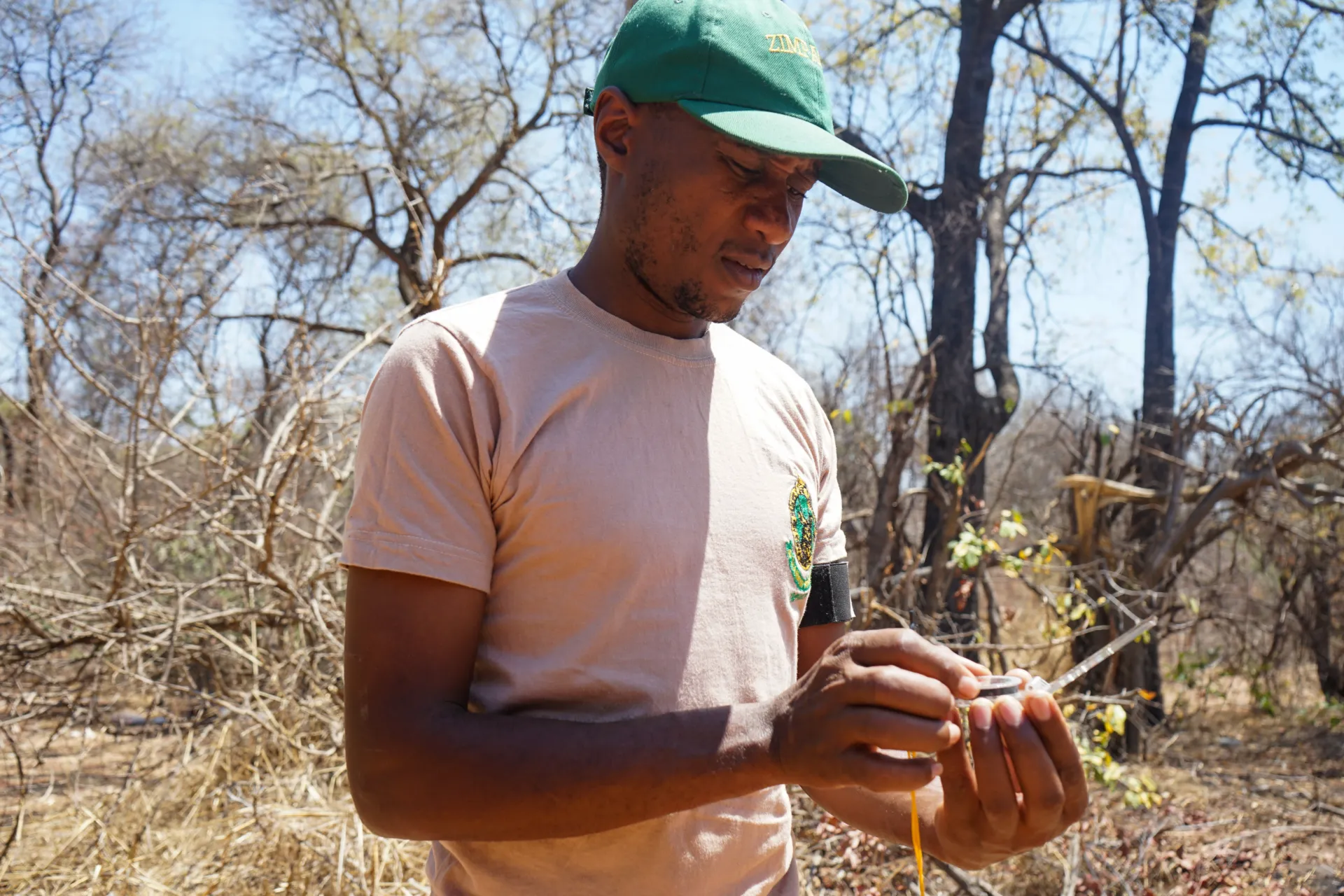
Strengthening Ranger Training in Zambezi National Park
Empowering Conservation Heroes for a Sustainable Future February 18. 2026Pittsburgh Zoo & Aquarium has worked with Victoria Falls Wildlife Trust over a decade on elephant and wildlife health. In 2025, we supported Victoria Falls Wildlife Trust for providing wildlife ranger…
-

February 10, 2026
Pittsburgh Zoo and Aquarium Breaks Ground on Giraffe Care Center
Complex to Revolutionize Care of Gentle Giants February 10, 2026The Pittsburgh Zoo & Aquarium broke ground on its state-of-the-art Giraffe Care Center on Tuesday, February 10, at 11:00 a.m. This new $18 million facility will provide enhanced year-round care, new…
-

February 9, 2026
RESCHEDULED - Donation Day Food Drive Returns to Zoo, Offers Free Admission
Enjoy the Zoo and Help Your Neighbors! February 9, 2026The Pittsburgh Zoo & Aquarium, in cooperation with Greater Pittsburgh Community Food Bank, is hosting its rescheduled annual Donation Day on Presidents’ Day, Monday, February 16 (originally scheduled for December 30,…