
Empowering Conservation Heroes for a Sustainable Future
February 18. 2026
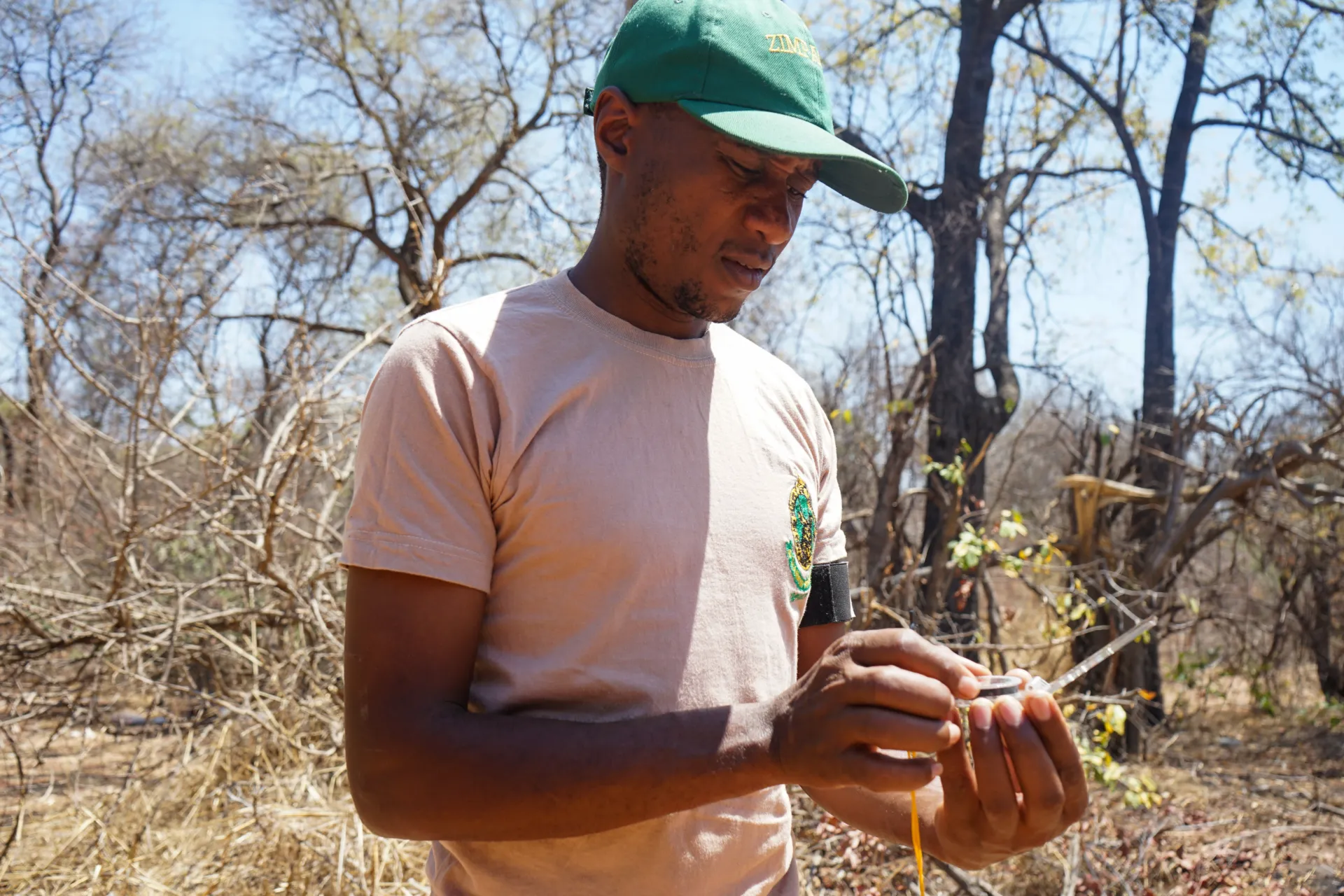
Pittsburgh Zoo & Aquarium has worked with Victoria Falls Wildlife Trust over a decade on elephant and wildlife health. In 2025, we supported Victoria Falls Wildlife Trust for providing wildlife ranger training to personnel managing the Zambezi National Park, Zimbabwe. Our conservation work is grounded in the belief that local capacity building is key to managing wildlife and their habitats globally. Training park rangers to increase their skills and capacity aligns fully with this belief.
We are pleased to share this note about this training from Victoria Falls Wildlife Trust’s CEO Jessica Dawson:
At Victoria Falls Wildlife Trust (VFWT), we know that the future of wildlife conservation depends on the people working on the frontlines every single day, our rangers. These dedicated men and women put their lives on the line to protect elephants, lions, wild dogs and countless other species from threats such as poaching, habitat loss, and illegal wildlife trade. But to be effective, rangers need more than just passion—they need the right training, tools, and support.
This year, VFWT is proud to partner with the Pittsburgh Zoo & Aquarium to help strengthen ranger training in Zambezi National Park, a critical protected area along the mighty Zambezi River adjacent to Victoria Falls, Zimbabwe. Covering over 56,000 hectares, the park is home to an incredible diversity of wildlife and is a vital corridor for animals moving across the Kavango-Zambezi Transfrontier Conservation Area (KAZA TFCA). Ensuring that rangers are well-trained is essential to safeguarding this landscape.
Through this collaboration, VFWT and Pittsburgh Zoo are supporting specialized training sessions designed to give rangers practical skills in wildlife protection, monitoring, and safety. The program focused on critical areas such as:
- Anti-poaching tactics: equipping rangers with strategies to detect and deter illegal activity.
- Wildlife monitoring: using modern technology to collect and interpret data for conservation planning.
- Field safety and first aid: ensuring rangers can respond effectively to emergencies in remote conditions.
- Field Operations: Utilizing a range of technological tools to effectively identify areas that need support, and actively monitor live situations.
By investing in ranger training, we are investing in the long-term resilience of wildlife and ecosystems. Rangers are not only guardians of biodiversity but also ambassadors who bridge the gap between conservation and local people who share their land with wildlife.
Support from partners like the Pittsburgh Zoo makes this work possible. Together, we are creating stronger, better-prepared ranger teams that can respond to threats and keep Zambezi National Park thriving.
We are deeply grateful to the Pittsburgh Zoo & Aquarium for joining us in this mission. With their support, rangers in Zambezi National Park are better equipped to protect one of Africa’s most iconic wilderness areas.
-
February 17, 2026
Strengthening Ranger Training in Zambezi National Park
Empowering Conservation Heroes for a Sustainable Future February 18. 2026Pittsburgh Zoo & Aquarium has worked with Victoria Falls Wildlife Trust over a decade on elephant and wildlife health. In 2025, we supported Victoria Falls Wildlife Trust for providing wildlife ranger…
-
February 10, 2026
Pittsburgh Zoo and Aquarium Breaks Ground on Giraffe Care Center
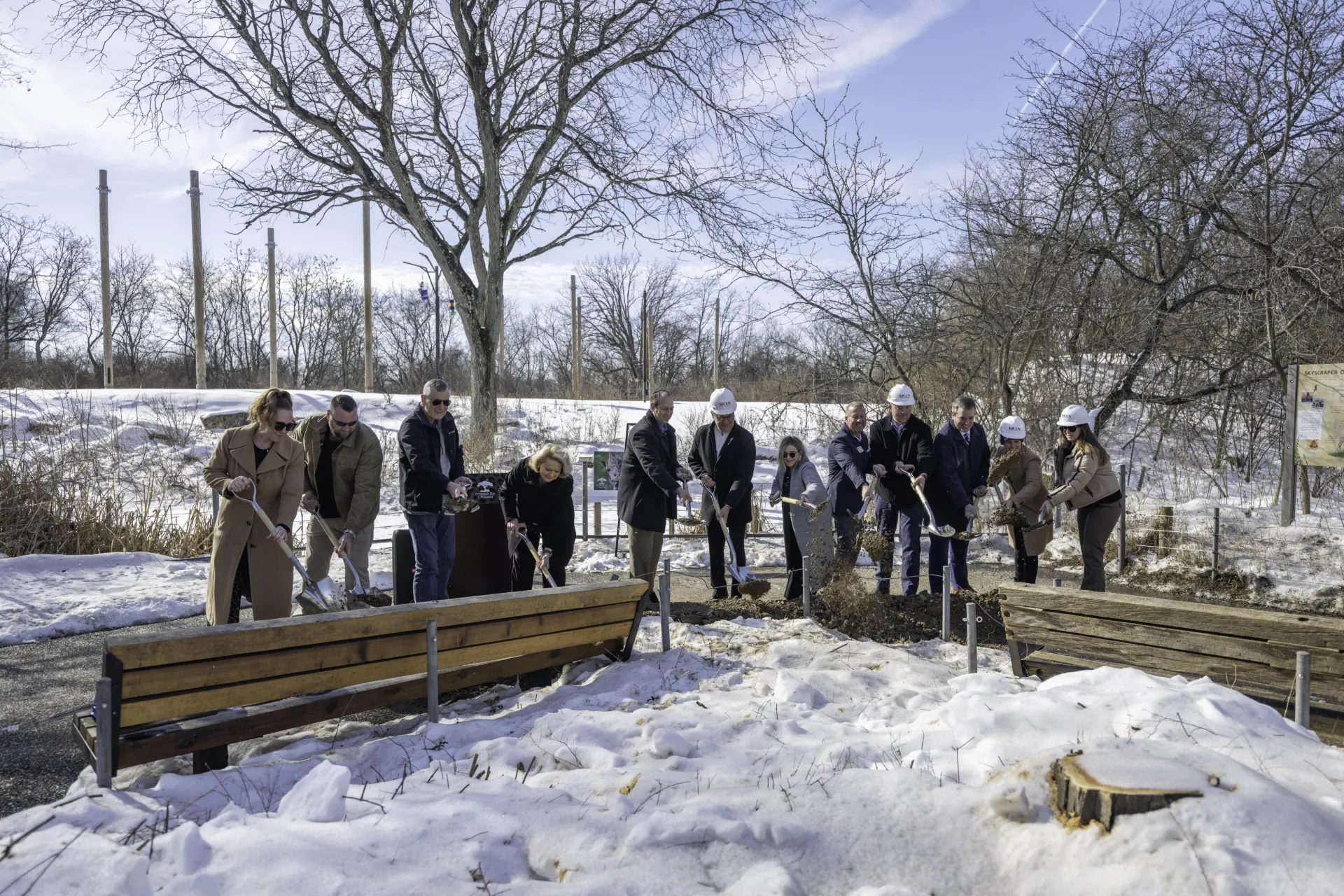
Complex to Revolutionize Care of Gentle Giants February 10, 2026The Pittsburgh Zoo & Aquarium broke ground on its state-of-the-art Giraffe Care Center on Tuesday, February 10, at 11:00 a.m. This new $18 million facility will provide enhanced year-round care, new…
-

February 9, 2026
RESCHEDULED - Donation Day Food Drive Returns to Zoo, Offers Free Admission
Enjoy the Zoo and Help Your Neighbors! February 9, 2026The Pittsburgh Zoo & Aquarium, in cooperation with Greater Pittsburgh Community Food Bank, is hosting its rescheduled annual Donation Day on Presidents’ Day, Monday, February 16 (originally scheduled for December 30,…
-
February 2, 2026
The Scoop on Snow Removal at the Zoo
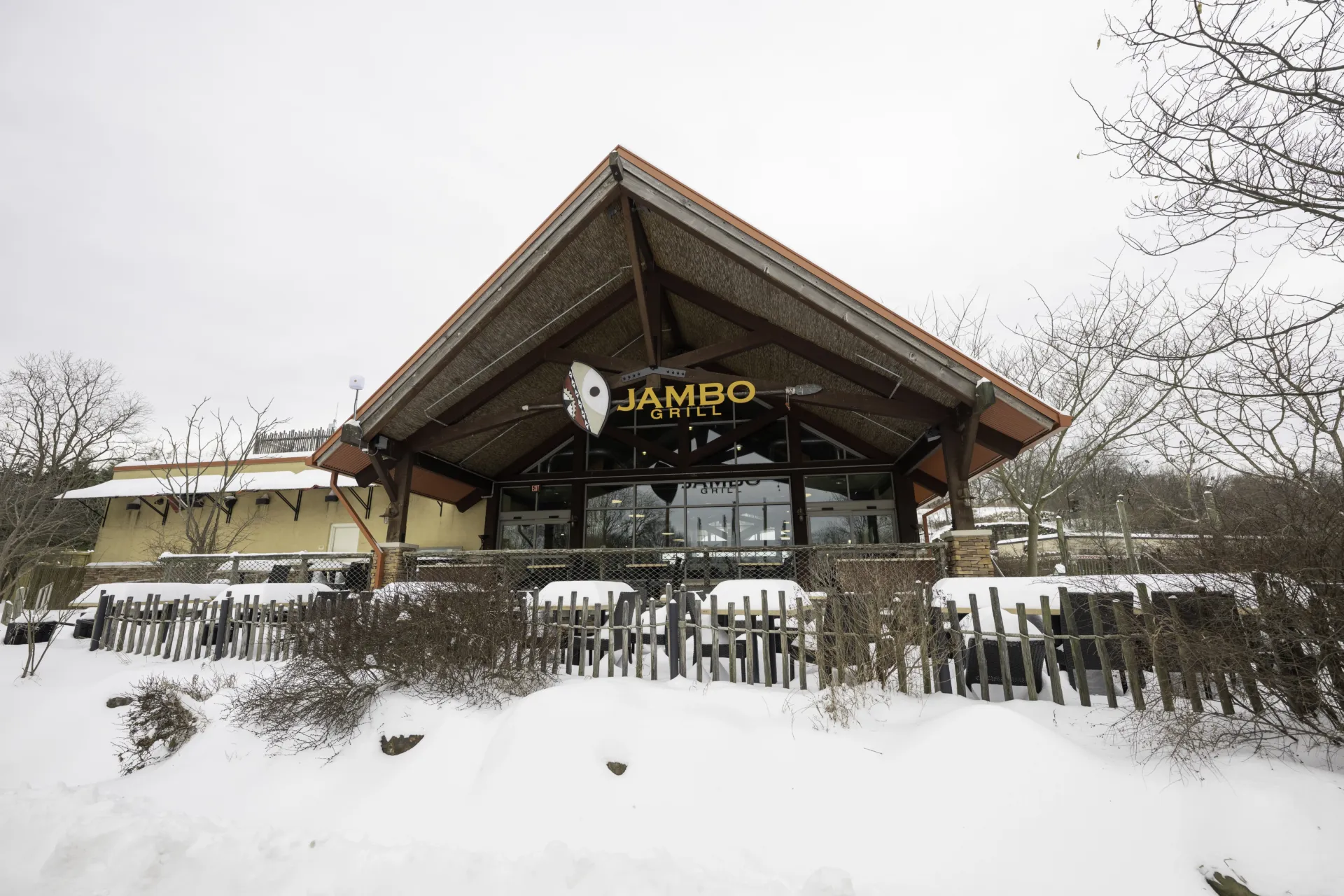
Horticulture & Grounds Heroes on the Scene February 2, 2026For over a week, the Pittsburgh Zoo & Aquarium’s Horticulture and Grounds team has been in full snow management mode, working to keep the Zoo operational following this major winter storm.…
-
January 29, 2026
Pittsburgh Zoo Animals Weather the Storm
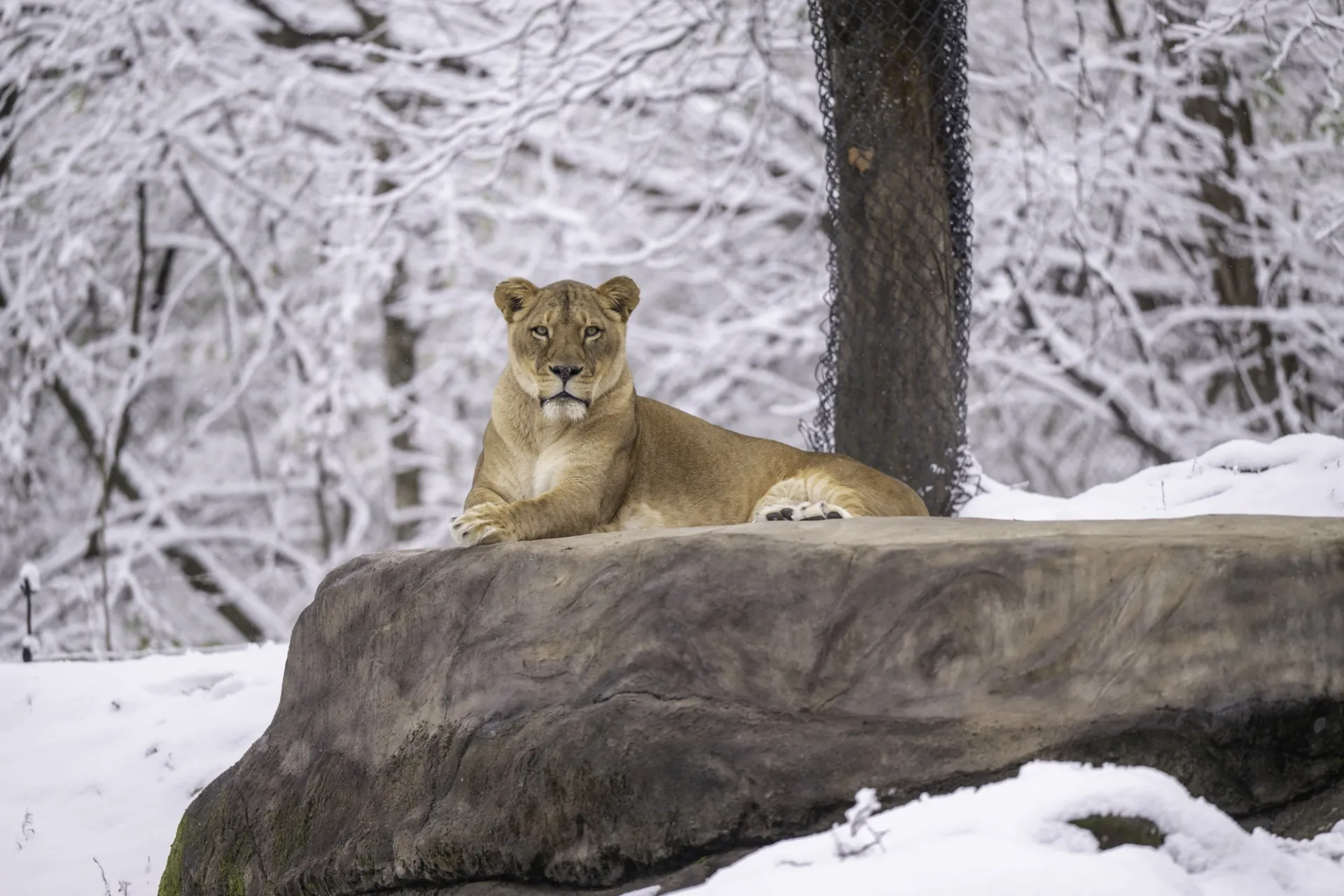
How Do Zoo Residents Spend a Snow Day? January 29, 2026Snowmageddon, schnomageddon… Winter storm Fern drove Pittsburgh humans into hibernation when she roared into town on Sunday, upsetting routines and cranking thermostats. The animals at the Pittsburgh Zoo & Aquarium…