
Happy Bear-thday, Snowflake!
December 5, 2025
Snowflake the Pittsburgh Zoo & Aquarium’s female polar bear celebrated a remarkable 30th birthday on November 28 – high among the oldest polar bears in human care in an accredited facility in the United States!
Born at the Buffalo Zoo in 1995, Snowflake arrived in Pittsburgh in 2017 as part of an Association of Zoos and Aquariums Species Survival Plan recommendation. She is one of the Zoo’s most popular residents and calls the Water’s Edge habitat home. Snowflake’s care team treated her to a special ice cake made from some of her favorite things – meat and watermelon. It was crowned with a large number 30 and candles made from ice.
Snowflake’s longevity is testament to the excellent care she receives from her dedicated animal care staff. According to the Association of Zoos and Aquariums, male polar bears have a median life expectancy of 20.8 years with data being deficient on female lifespans. At 30, Snowflake more than exceeds that life expectancy.
Providing opportunities for choice in Snowflake’s daily life is a vital component of her positive welfare, which is why Zoo guests may not always be able to view her when they visit. Her off-exhibit area is divided into several spaces that can be adjusted to offer different environments and enrichment experiences. These comfortable inside areas help keep Snowflake cool in summer and avoid any physical or behavioral strain. The Zoo’s animal care team carefully monitors her for conditions associated with advanced age. She is currently being treated for cardiac issues, arthritis, and chronic skin condition. A chronicle of Snowflake’s care is routinely posted on the Zoo’s website so that guests can follow her days as she navigates the challenges of aging.
Polar bears face an uncertain future in the wild. As the Earth’s temperature continues to rise, the bears’ Arctic Sea ice forms later in the fall and winter and melts earlier in the spring, forcing the bears to travel greater distances for food, sometimes without success. The lack of food also causes lower reproductive rates for females and even lower survival rates for cubs. Ambassadors like Snowflake provide us with the opportunity to educate our guests about polar bears and their plight in the Arctic due to climate change.
-
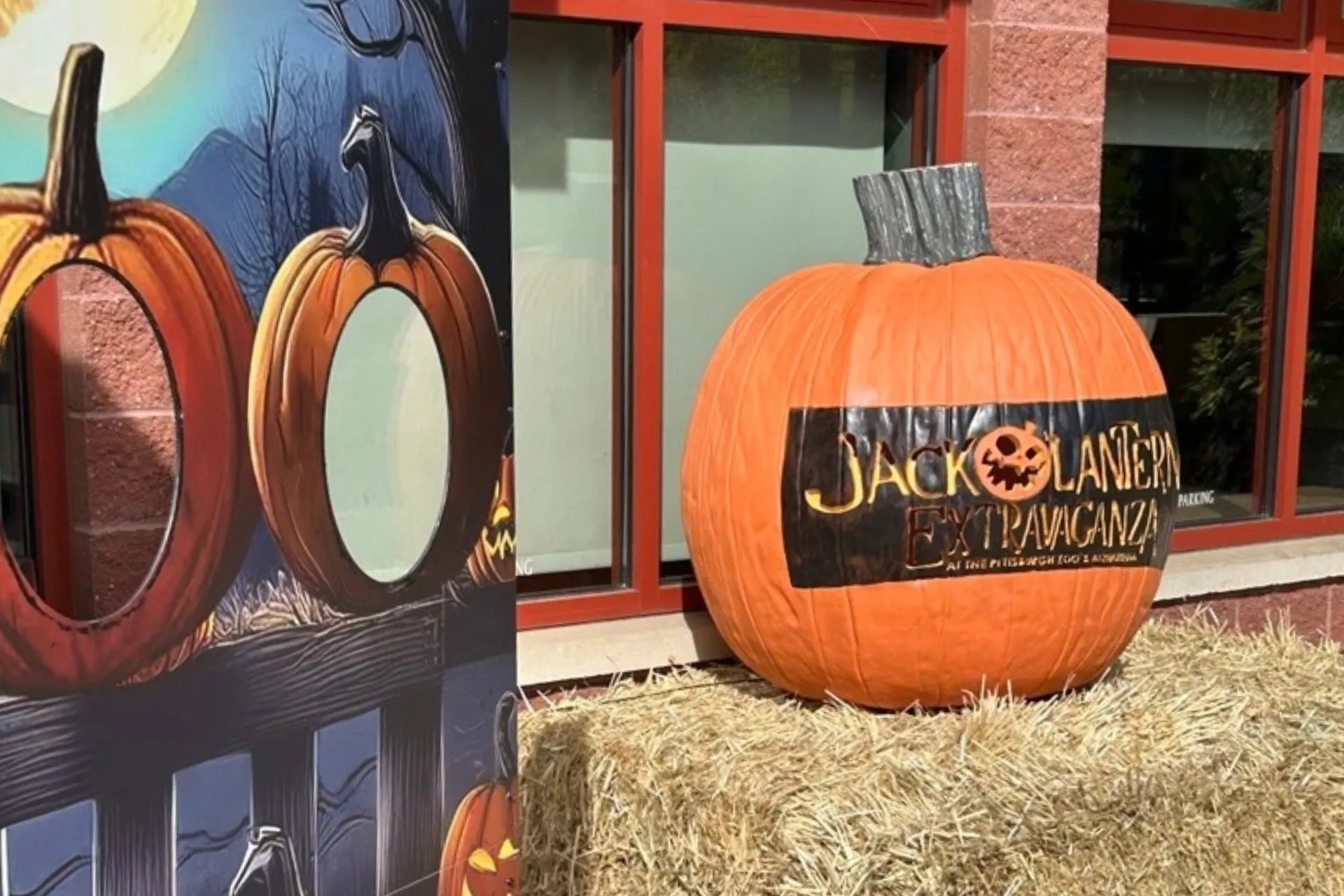
October 1, 2026
Gourd News: Jack O’Lantern Extravaganza Returns
Fall Favorite Returns to Pittsburgh Zoo & Aquarium October 1, 2026Nighttime magic and mystery return to the Pittsburgh Zoo & Aquarium from October 2 through November 1 with the Jack O’Lantern Extravaganza, presented by Peoples. A treasured tradition for families…
-
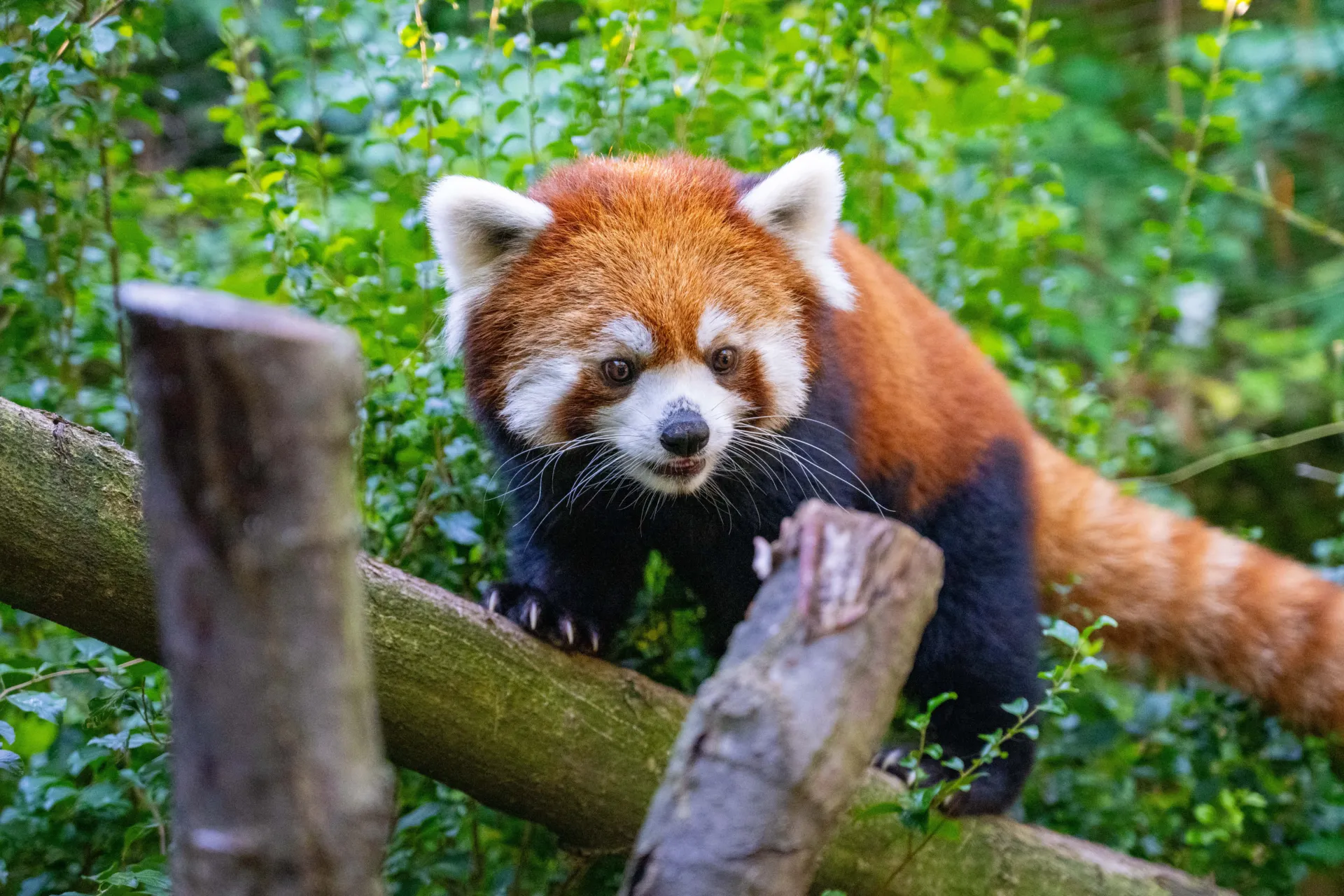
September 18, 2026
A Plan for a Panda
Saving Red Pandas in the Wild September 18, 2026The Pittsburgh Zoo & Aquarium has long been a home to red pandas and has supported the conservation of these beloved animals in the wild. Several Zoo staff members are key players…
-
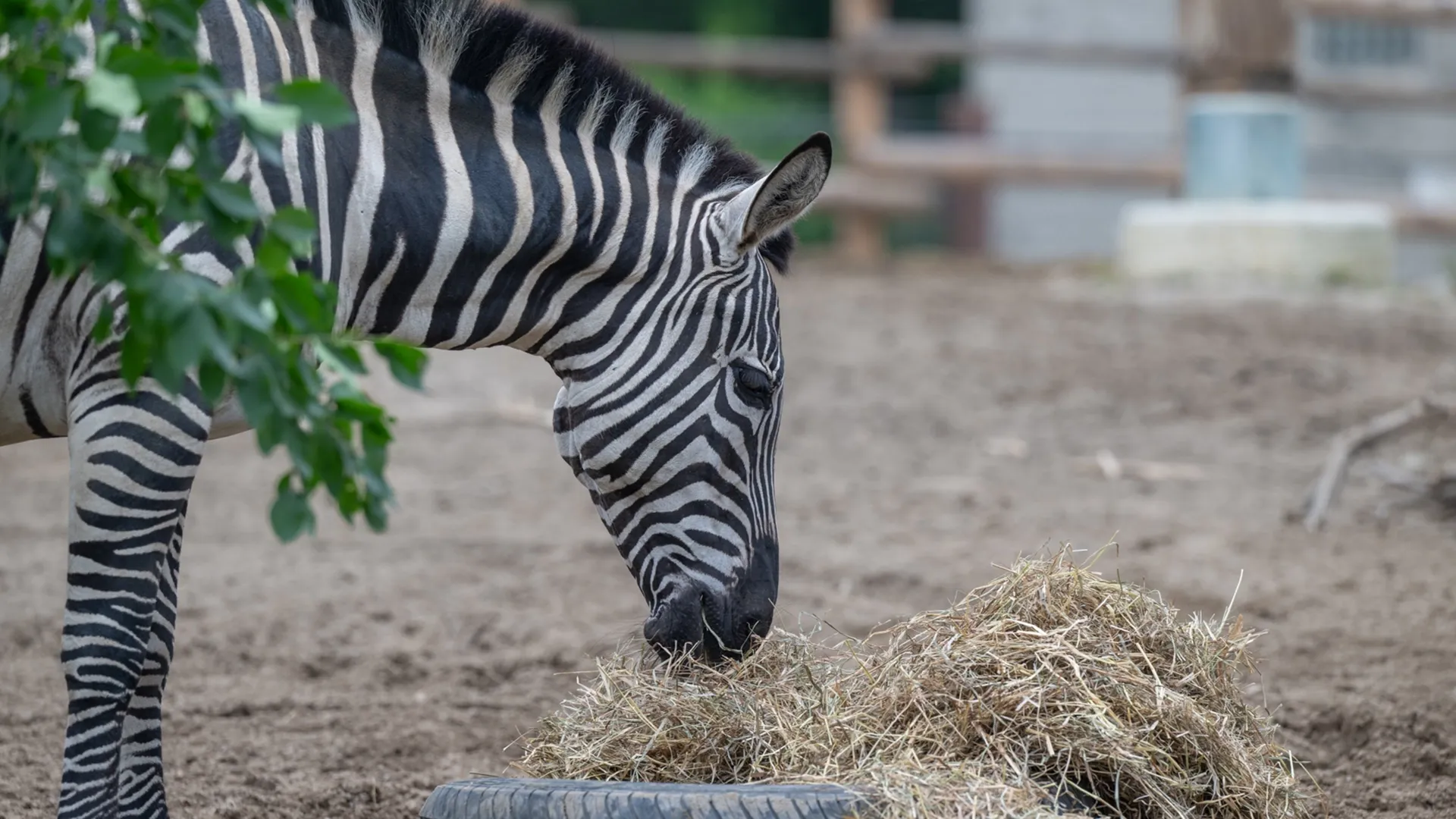
August 18, 2026
The Table Is Set for Breakfast with the Animals
Rise and Dine August 18, 2026Breakfast is a very important meal for animals, too. The right food at the right time is essential for their well-being and survival. A night of fasting leaves animals’ energy reserves depleted. The first meal…
-
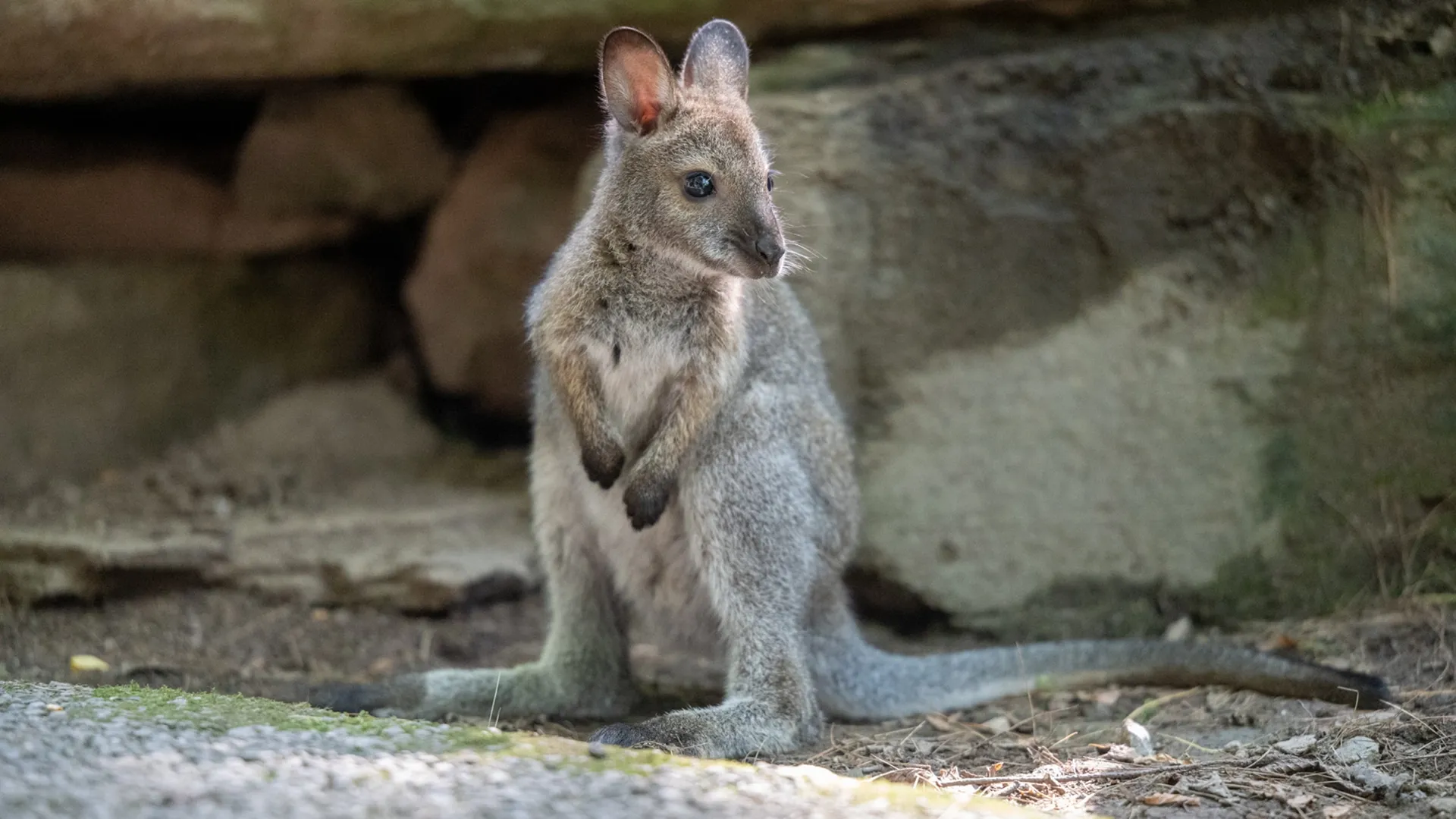
August 11, 2026
Welcome to the World, Walla-baby
Pocketful of Miracles August 11, 2026The Pittsburgh Zoo & Aquarium recently welcomed Arlo, a male wallaby joey, to Kids Kingdom. Arlo was most likely born in late October, as he was discovered during an early November pouch check of his…
-
August 10, 2026
The Cub Has Been Dubbed
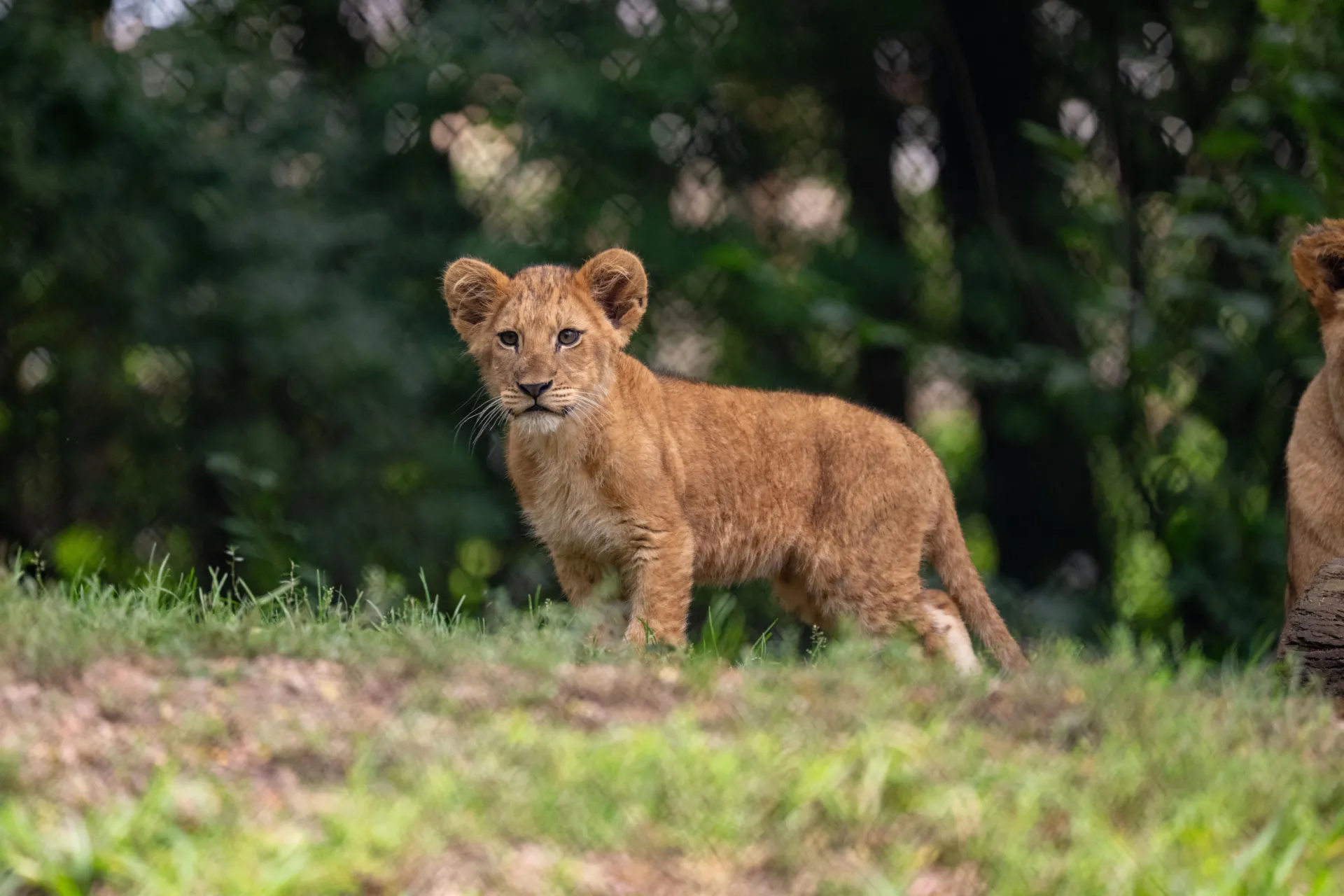
Pittsburgh Zoo & Aquarium Announces Name of Lion Cub August 10, 2026After weeks of anticipation, the Pittsburgh Zoo & Aquarium is pleased to announce both the official August 10 public debut and name of our four-month-old female African lion cub.…