
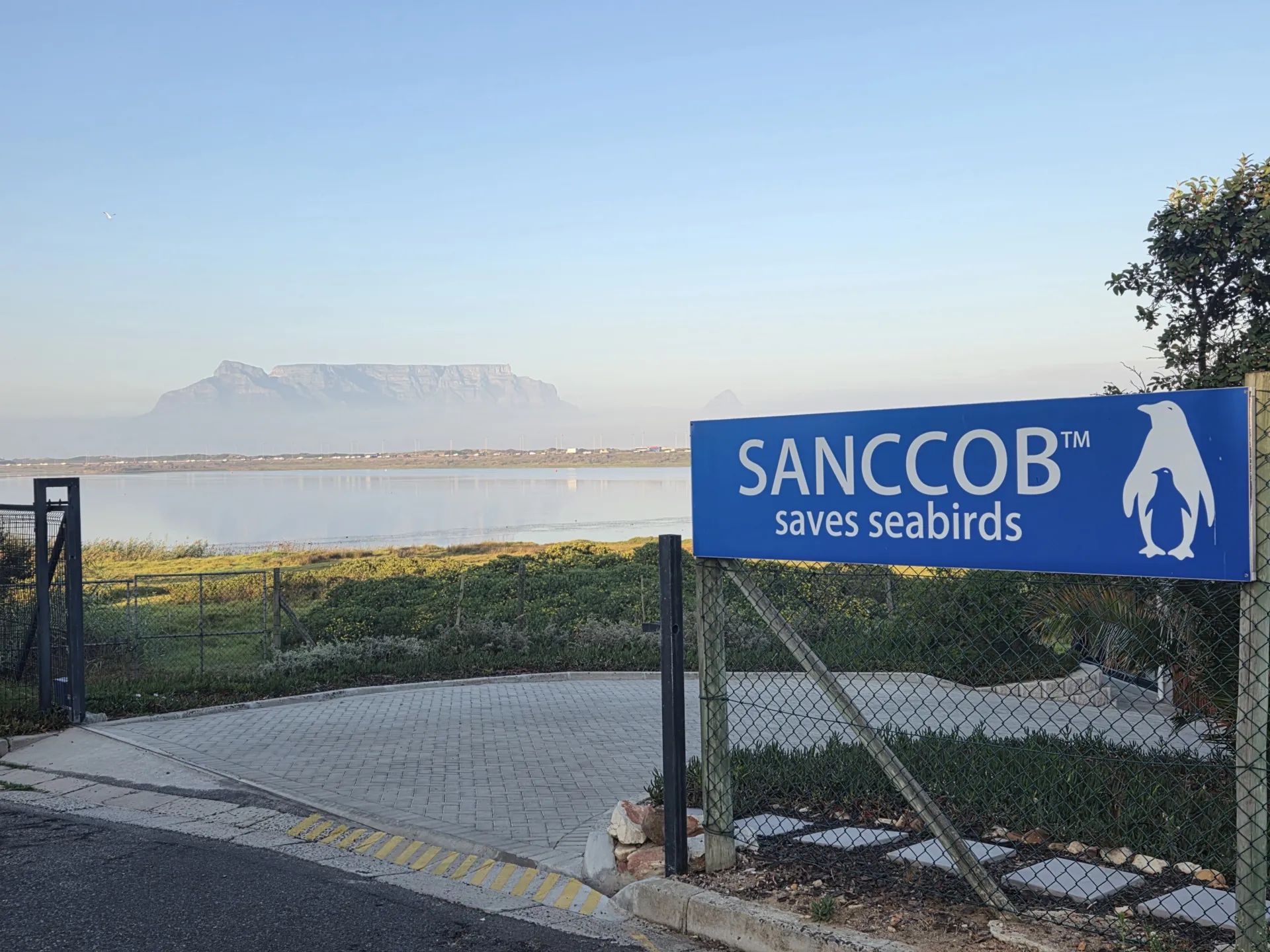
Alice Becker, the Humboldt Penguin keeper at the Pittsburgh Zoo & Aquarium, took a trip to South Africa to work with the SANCCOB foundation. Read about her trip in her own words.
SANCCOB stands for the South African Foundation for the Conservation of Coastal Birds. Their primary objective is to reverse the decline of seabird populations through the rescue, rehabilitation, and release of ill, injured, abandoned, and oiled seabirds – especially critically endangered species like the African Penguin, according to their website.
April 16, 2026
My name is Alice Becker and I am the primary Humboldt Penguin keeper at the Pittsburgh Zoo and Aquarium. But! For these two weeks, I am in South Africa helping SANCCOB care for wild African Penguin Chicks!
SANCCOB (South African Foundation for the Conservation of Coastal Birds) is an organization in South Africa that protects and rehabilitates the local seabird populations. For the past few months, they have been experiencing an unusual surge in African penguin eggs and chicks for this time of year. So, they put out a call for volunteers on the AZA forums asking for animal care professionals to come lend some hands. I happily volunteered!
Now you may ask, why is this work important?
African penguins have been declared a critically endangered species and have been projected to be extinct by 2035. When first recorded, their population totaled to about 4 million individuals. On the most recent count, their numbers have dropped to approximately 16,000 and the population is struggling against habitat loss, over-fishing, avian influenza, and other factors.
Like the Humboldt Penguins, African Penguins will lay two eggs that the parents will share responsibilities in raising to adulthood. However, sometimes the adults will struggle in caring for their young and can abandon their nests. This can be due to multiple factors such as environmental disturbance, parents being too inexperienced, the colony getting sick, etc. There are several managing authorities who monitor the colonies and conduct rescues if there are eggs or chicks in need. When rescues occur, the authorities will reach out to SANCCOB to arrange for the chicks and eggs to be taken in. There, they are incubated, hatched, and reared by round-the-clock staff with the goal of releasing these penguins back into the wild population. This is critical for helping to boost the population and hopefully ensuring its conservation.
As I continue working over the next two weeks, I will be sure to post periodic updates to let you know what I am up to!
April 23, 2026
Hi all!
Sorry for the delayed update, but this last week has been a busy one!
Many have asked me: What goes into caring for young baby penguins?
To answer that, I could provide an entire textbook of information, but I thought I would tell you some specifics on what I have been helping with!
I have been working in the outside nursery where chicks graduate from their indoor incubation/nursery a few weeks after hatch. They spend a few weeks here as they gradually gain weight and molt their baby down feathers in favor of their waterproof feathers. During this time, we have been providing them with electrolytes, medications, water, and formula throughout the day to help keep them healthy and strong.
Now, penguin chick formula is not the same as what you get for human babies at the store. It includes fish, essential supplements, and water blended together, and then put through sieves to mimic what the parents would regurgitate for them in the wild. Now, we don’t have the beaks (or the stomachs) to provide the food the natural way. So, we tube feed each bird their fluids and formula multiple times a day.
At one point we were working with up to 66 chicks in the outdoor nursery. So, you can imagine that required A LOT of formula. Between the indoor and outdoor nurseries, we were making up to 10 liters of formula a day and then additional formula for the young chicks overnight.
So, a lot of work, but it has been amazing to work with SANCCOB and learn about this whole process!
April 24, 2026
Hi all!
This morning, I was invited to be part of a very special event… releasing African penguins back to the wild!
I did not work with these particular penguins. The ones I am working with are not old enough yet. But, SANCCOB had a small group of penguins that were ready to rejoin the colony and invited me to come along!
We transported eight juveniles (also referred to as blues) and one adult for two hours from Cape Town to Boulders Bay in Simonstown, South Africa. The adult had been an older rehabilitated animal. So he knew the lay of the land, but the eight juveniles had been rescued as eggs or very young chicks and had no experience with the ocean.
With that in mind, we released the juveniles first and then the adult. The hope was that as the adult came through to head to the beach, the young ones would follow. The adult went straight to the ocean and the juveniles did not get the idea right away. One of the group was finally brave and they all joined the colony and almost immediately had their first ocean swim!
I also got to see the colony with active nests! The parents have dug burrows in the sand. Some filled with grasses, kelp, and twigs that they found along the beach while others opted for the simpler sand cave. The chicks were already fairly big and will soon join the new juveniles in the ocean, once their feathers come in!
All told, this was an amazing experience and a wonderful chance to see the fruits of our collective labor in increasing the African penguin population!
A photo diary of Keeper Alice’s trip to South Africa to volunteer with SANCCOB.
-
July 8, 2026
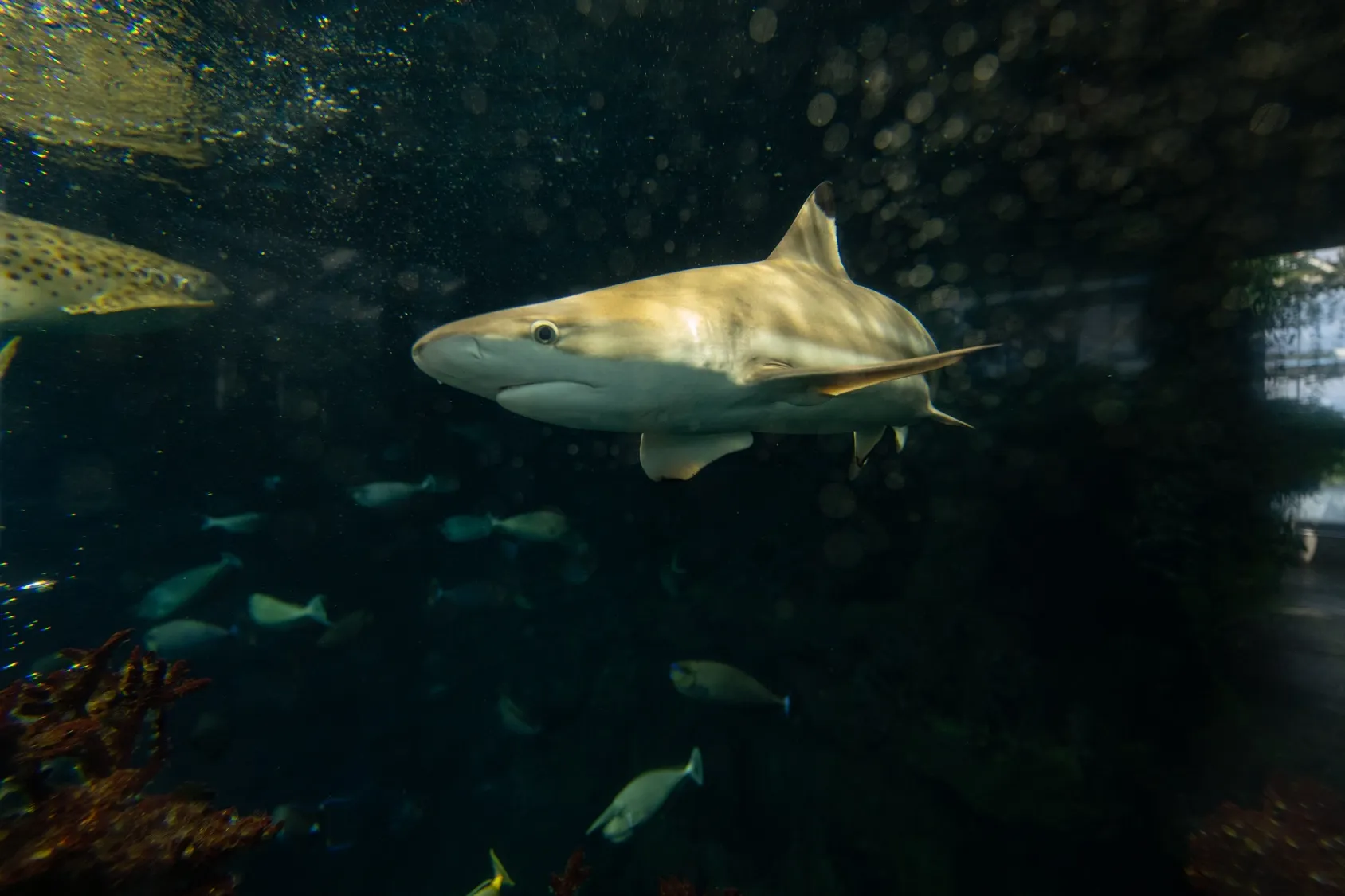
The Case of the Mermaid’s Purse
Shark Egg Cases are Adaptations for Survival July 8, 2026Sharks have a diverse range of reproductive strategies. Some species lay eggs (oviparity), while others give birth to live young (viviparity). In another way, a female shark will carry her eggs…
-
July 2, 2026
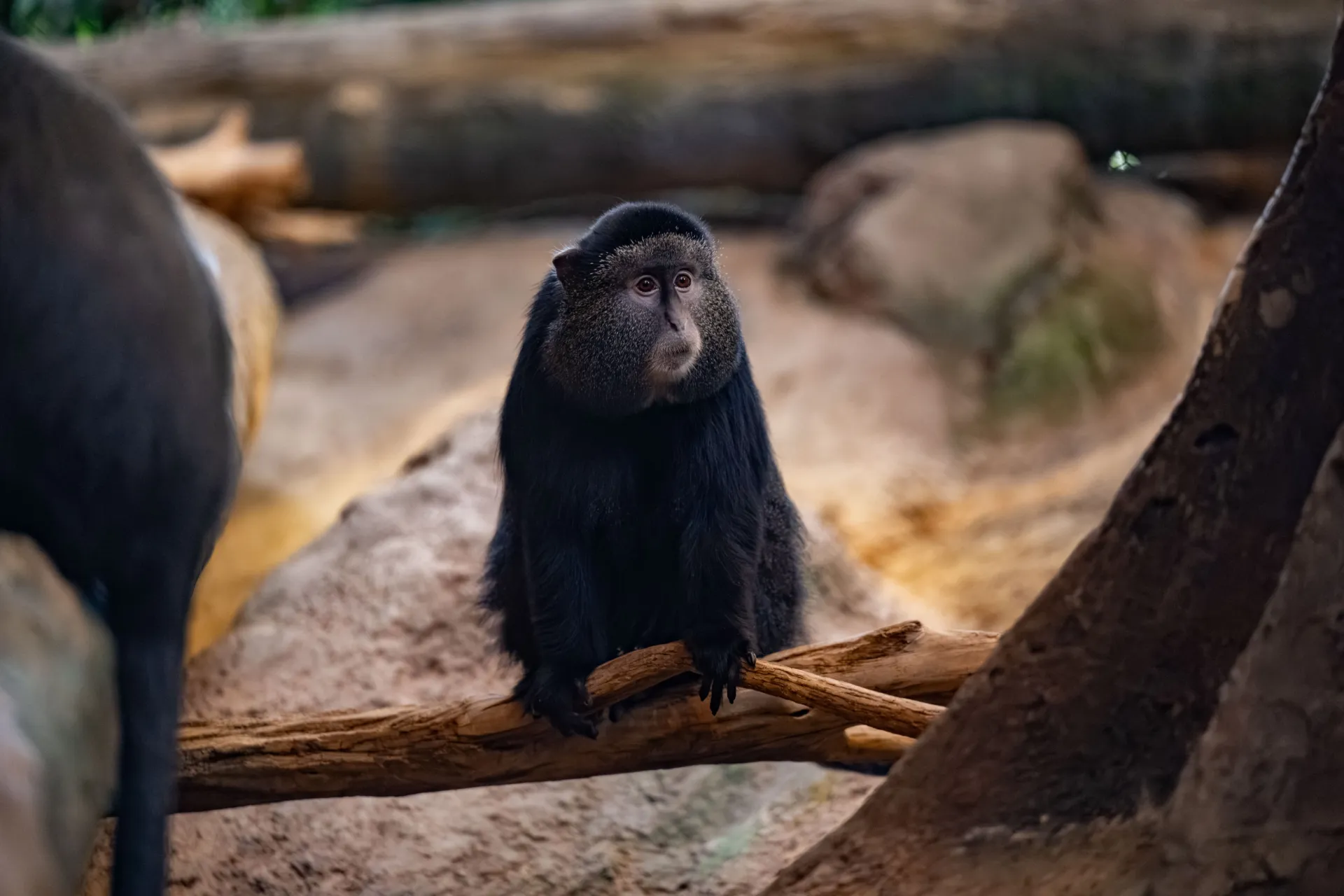
Life, Liberty, and the Pursuit of Bananas
Red, White, and Boopster July 2, 2026As we swing into Independence Day, there will be even more hooting and hollering than usual in the Tropical Forest Complex! In addition to being America’s 250th celebration, the Fourth of July is the…
-
July 2, 2026
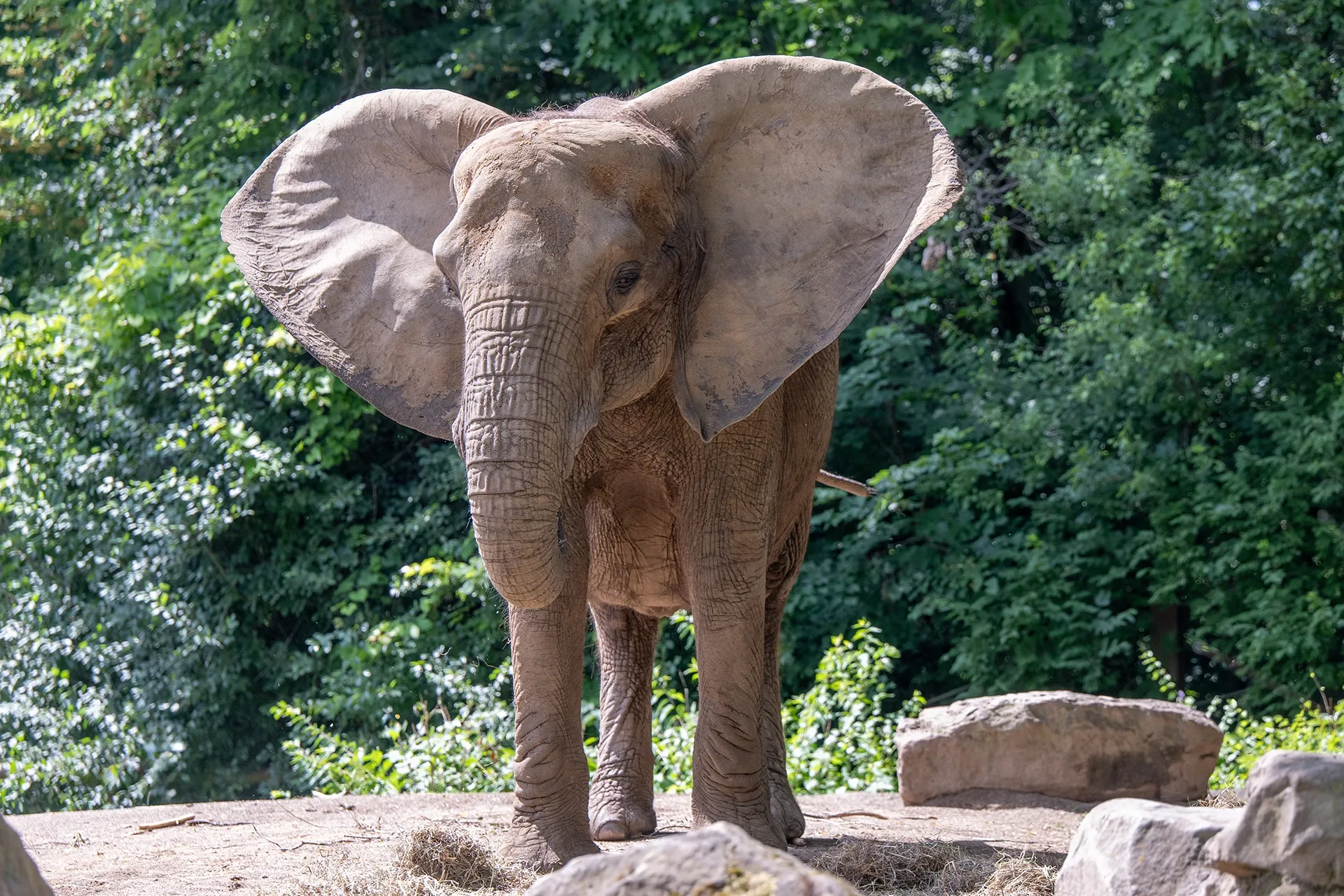
Pittsburgh Zoo and Conservation Center Welcome New Elephant Residents
Strategically Planned Elephant Transfers Focus on Well-being of Animals July 2, 2026The Pittsburgh Zoo & Aquarium and the International Conservation Center in Somerset, PA, recently welcomed new elephant residents through a series of carefully planned moves to prioritize the unique…
-
June 17, 2026
Pigeon Power!
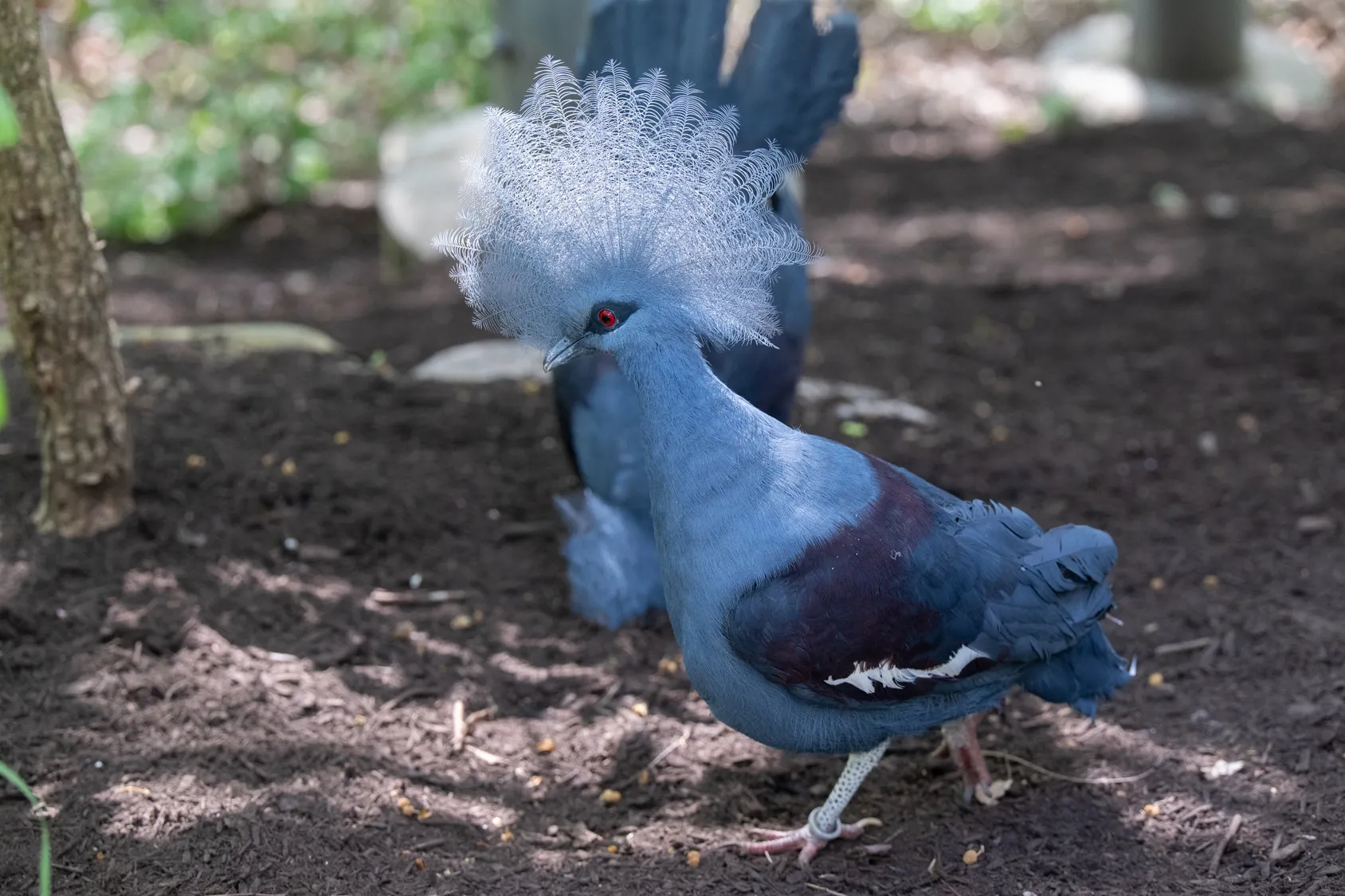
Honoring Nature's Unsung Urban Bird June 17, 2026In honor of National Pigeon Day, we're celebrating the big, amazing family of beautiful birds that includes the mourning dove, the massive blue crowned pigeon, and even the extinct dodo. There is no…
-
June 16, 2026
Super Trooper
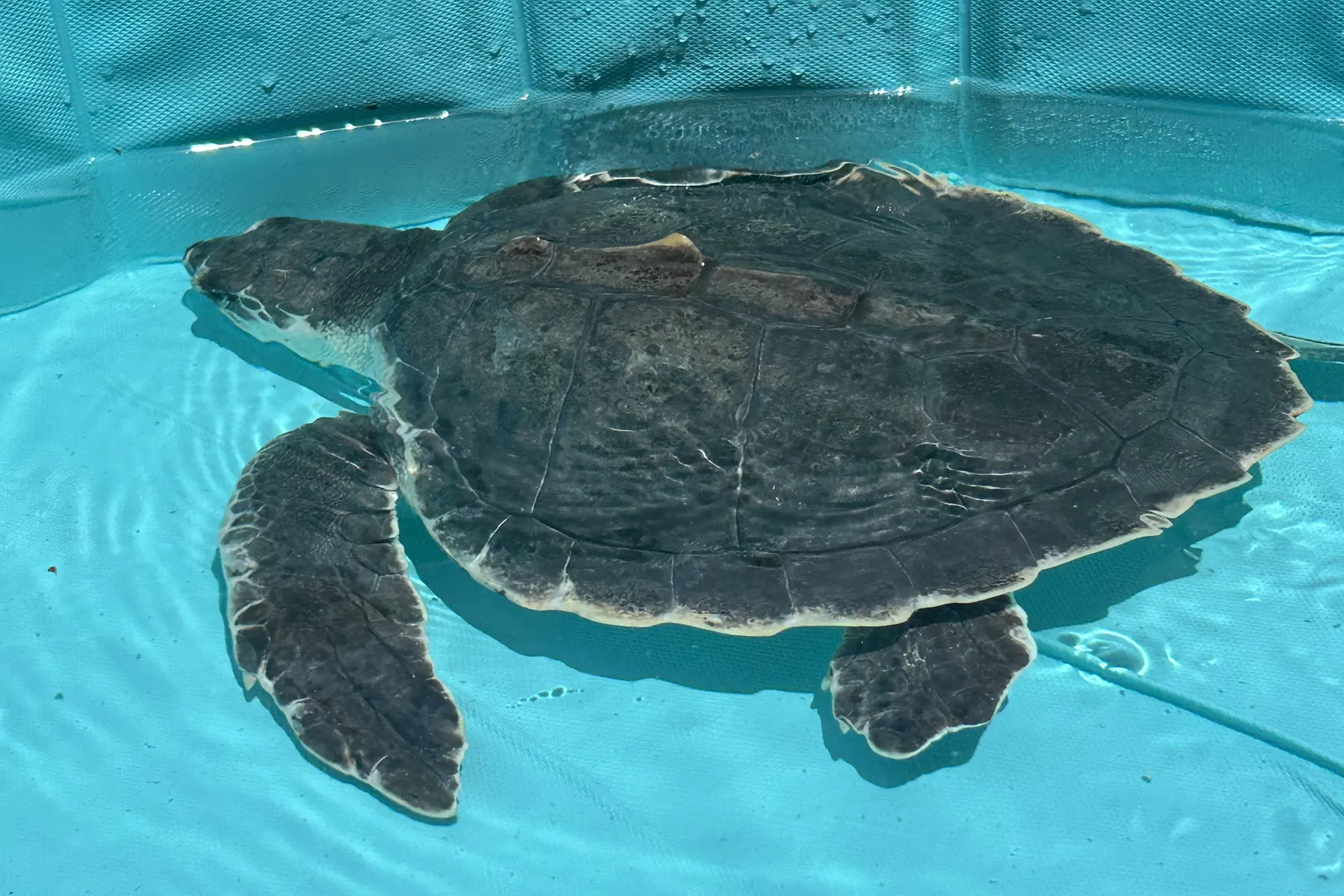
The Sea Turtle Who Stayed Behind June 16, 2026World Sea Turtle Day highlights the vital role these creatures play in maintaining healthy marine ecosystems and champions the survival of these magnificent marine reptiles. Sea turtles have survived 110 million years…