
Earth Day Tips to Create a Backyard Sanctuary
April 22, 2026
This Earth Day, as we contemplate the many issues that face our planet, it can be very overwhelming to figure out how to help. However, the best place to start is at home!
You can help create animal habitat no matter where you live. Even the smallest green space can offer food, shelter, and safety for our wild neighbors. Your very own backyard can be a small sanctuary that welcomes native creatures and supports biodiversity.
Plant Local
Native plants provide the best food and shelter for local wildlife. Choose them for your backyard, patio, or balcony. They attract pollinators like bees and butterflies, offer seeds for birds, and support healthy soil. Choose plants that grow naturally in our region, as they will thrive with minimal maintenance and water. Unlike imported ornamentals, these species have evolved alongside local animals, creating natural partnerships. Many native flowers bloom at the time when pollinators need them most. A variety of species can provide food and shelter all year long.
Water, Water Everywhere
A simple birdbath or shallow dish of water can help birds, bees, and small mammals stay hydrated, especially during the hot summer and dry spells. Keep the water clean and unfrozen in winter by changing it regularly. Add stones or twigs to give insects a safe landing spot. Position your water source near shrubs so birds can escape quickly if predators appear nearby.
Skip the Sprays
Pesticides harm far more than insect invaders and weeds. They can poison pollinators, amphibians, and small mammals. Instead, try natural pest control methods such as plant companions that deter pests or introduce beneficial insects like ladybirds and lacewings. Many garden problems also resolve themselves when you allow predator insects to do their job. Healthy soil produces stronger plants that resist disease without chemical intervention. (article continues below ⇓)
Home, Sweet Habitat
Birdhouses, bat boxes, or bee hotels give shelter to animals that struggle to find safe nesting spots in urban areas. Position them in quiet areas away from heavy human activity and predators like cats. Different species need different designs, so research what lives in your neighborhood before building. Clean out old nests every season to prevent the spread of parasites and disease.
Leave It Wild
Leave a corner of your garden a bit wild! Piles of logs, leaves, or stones can provide refuge for frogs, small mammals, and insects. These natural shelters mimic the cover animals would find in forests or fields, offering protection from predators and weather. Resist the urge to tidy up every twig. Decomposing wood also feeds fungi and beetles, which in turn feeds birds and other wildlife.
Reduce Artificial Light at Night
Excessive light disrupts nocturnal animals such as bats, moths, and some birds. Use motion sensors, shielded fixtures, or warm-colored bulbs to minimize light pollution. Turning off unnecessary lights helps restore natural rhythms for local wildlife. Many insects also navigate by moonlight and starlight, so bright yard lights can disorient them. Reducing outdoor lighting also saves energy and lets you enjoy a clearer night sky.
Support Your Local Habitat
Join or donate to local wildlife rescue groups, bird counts, or community garden projects. Even small efforts, like participating in neighborhood clean-ups or planting events, contribute to healthier habitats and stronger ecosystems. Connecting with others who share your passion amplifies your impact. Many conservation groups offer workshops and resources to help you learn more about supporting wildlife in your area.
Celebrate Earth Day at the Zoo this Saturday, April 25, as we present Party for the Planet. Enjoy the planet’s amazing and diverse wildlife and celebrate with conservation organizations, special giveaways, activities, and more fun!
-
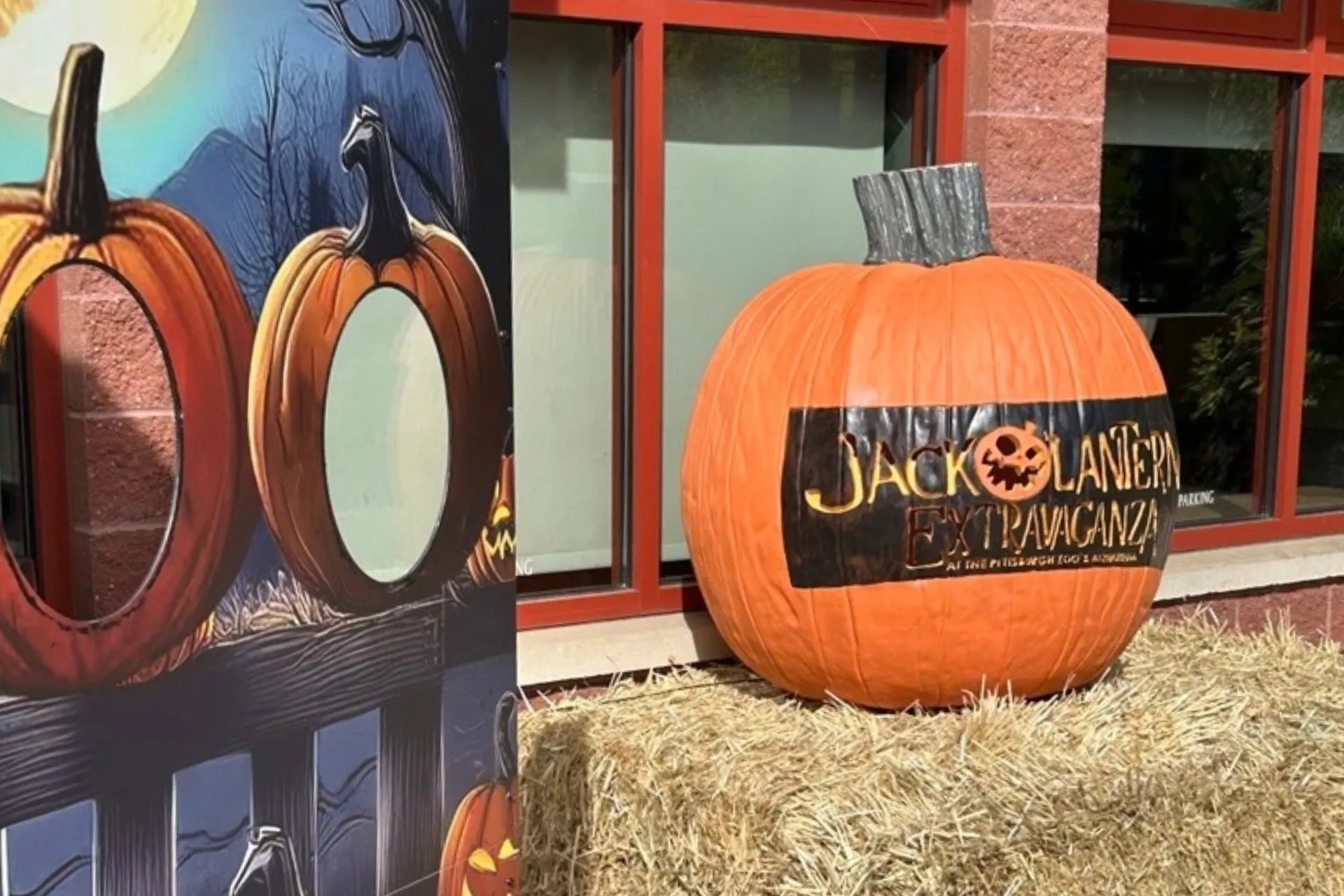
October 1, 2026
Gourd News: Jack O’Lantern Extravaganza Returns
Fall Favorite Returns to Pittsburgh Zoo & Aquarium October 1, 2026Nighttime magic and mystery return to the Pittsburgh Zoo & Aquarium from October 2 through November 1 with the Jack O’Lantern Extravaganza, presented by Peoples. A treasured tradition for families…
-
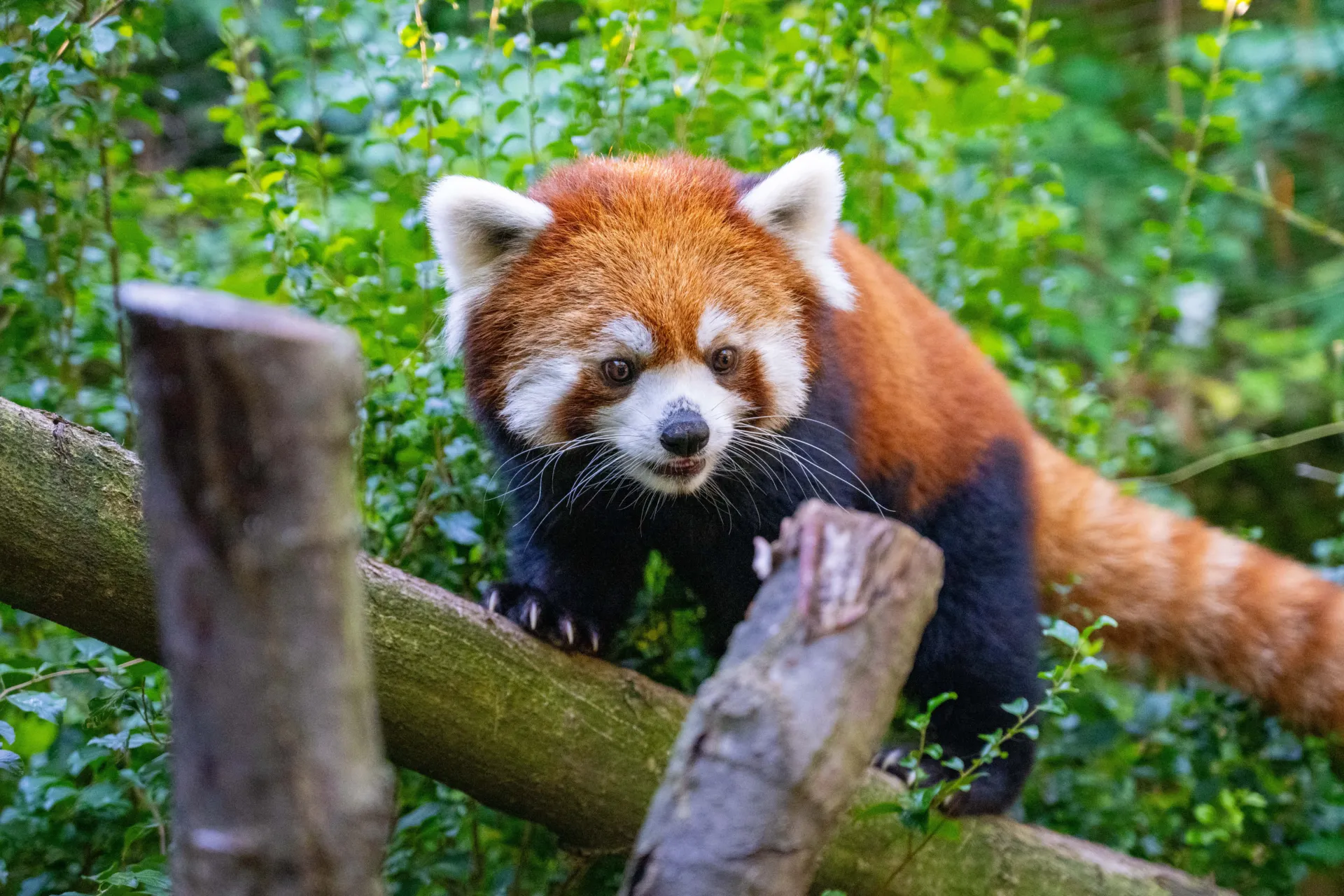
September 18, 2026
A Plan for a Panda
Saving Red Pandas in the Wild September 18, 2026The Pittsburgh Zoo & Aquarium has long been a home to red pandas and has supported the conservation of these beloved animals in the wild. Several Zoo staff members are key players…
-
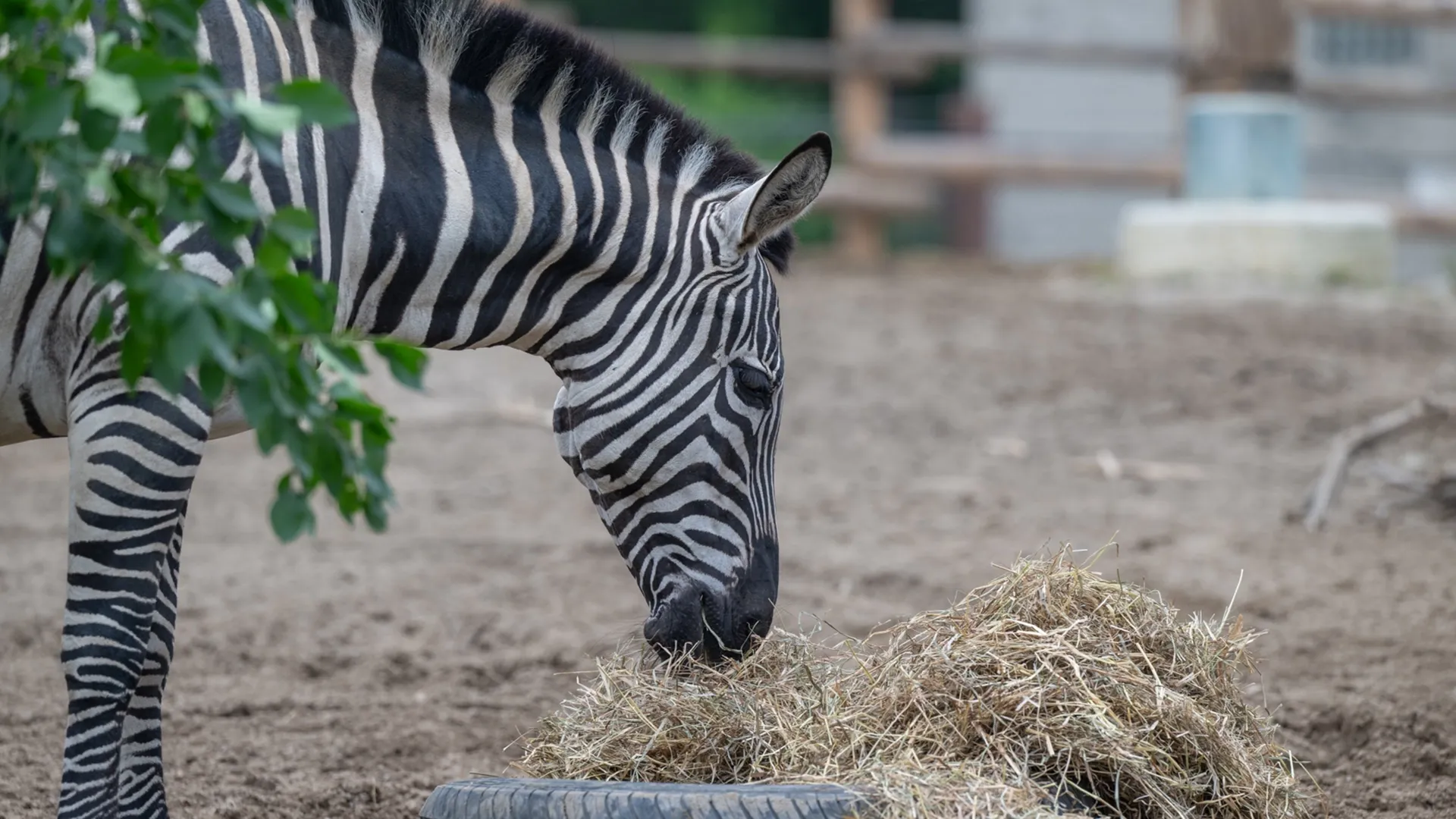
August 18, 2026
The Table Is Set for Breakfast with the Animals
Rise and Dine August 18, 2026Breakfast is a very important meal for animals, too. The right food at the right time is essential for their well-being and survival. A night of fasting leaves animals’ energy reserves depleted. The first meal…
-
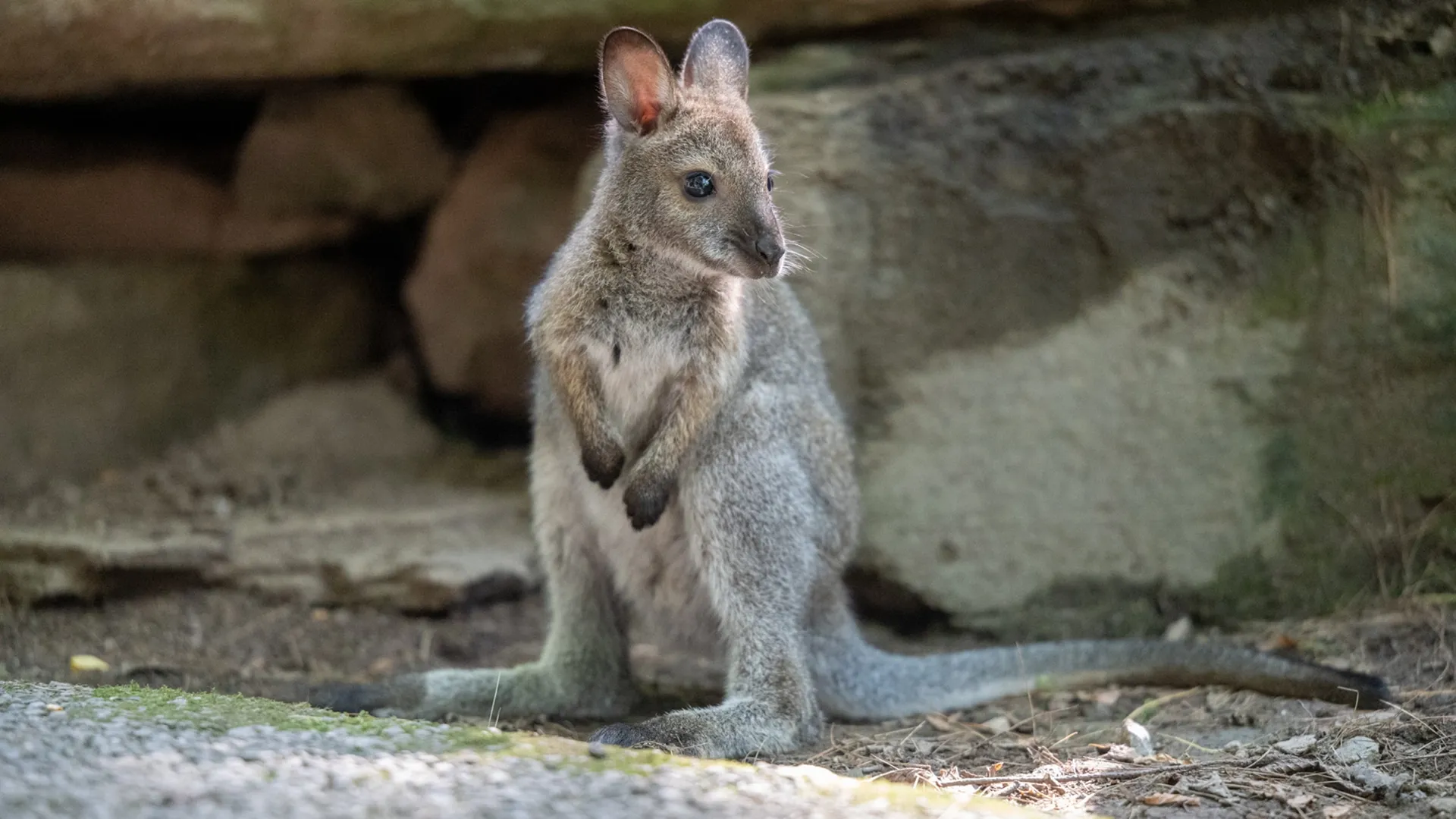
August 11, 2026
Welcome to the World, Walla-baby
Pocketful of Miracles August 11, 2026The Pittsburgh Zoo & Aquarium recently welcomed Arlo, a male wallaby joey, to Kids Kingdom. Arlo was most likely born in late October, as he was discovered during an early November pouch check of his…
-
August 10, 2026
The Cub Has Been Dubbed
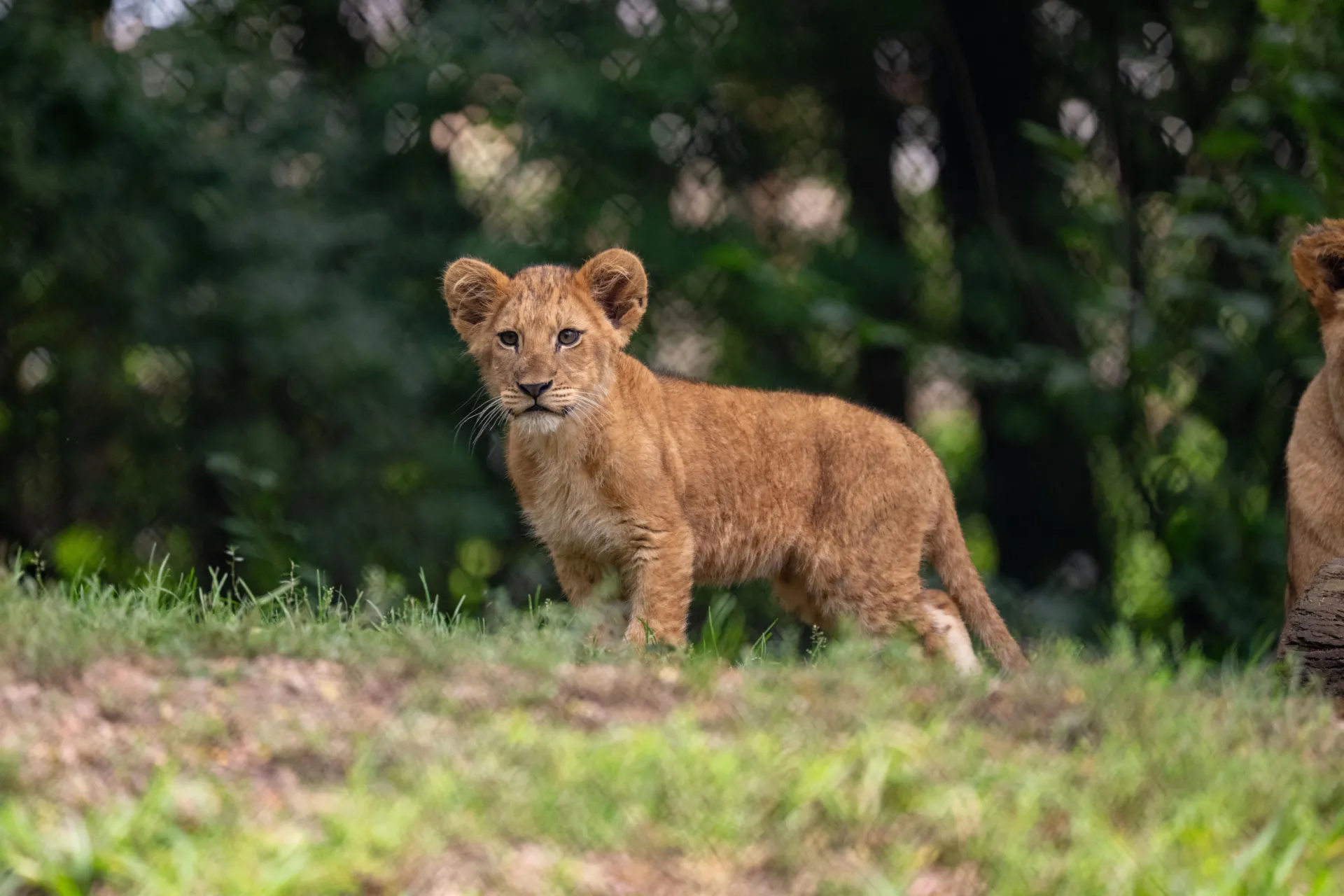
Pittsburgh Zoo & Aquarium Announces Name of Lion Cub August 10, 2026After weeks of anticipation, the Pittsburgh Zoo & Aquarium is pleased to announce both the official August 10 public debut and name of our four-month-old female African lion cub.…