
Honoring Nature’s Unsung Urban Bird
June 17, 2026
In honor of National Pigeon Day, we’re celebrating the big, amazing family of beautiful birds that includes the mourning dove, the massive blue crowned pigeon, and even the extinct dodo. There is no real difference between pigeons and doves. They all belong to the scientific family Columbidae. The serene white symbol of peace is the same as the crumb-seeking city pigeon.
Although some may turn up their birdwatching beaks at a species that is so ubiquitous, pigeons are bioindicators of environmental health. Their presence or absence can reflect the state of an ecosystem. Pigeons control insect populations, aid in seed dispersal, and alert to the presence of pollution. In urban ecosystems, they provide stability as a link in the food chain for predators like hawks and falcons.
The Pittsburgh Zoo & Aquarium’s Australian Aviary in Kids Kingdom is home to several species of pigeon and doves: the blue crowned pigeon, crested pigeon, grey-capped emerald dove, island imperial pigeon, pied imperial pigeon, and wonga pigeon.
The Zoo recently welcomed a new species from Down Under – the bronze-winged pigeon. Pittsburgh has the distinction of being the only Zoo in the United States that is home to this Australian ambassador. These unassuming gray pigeons display iridescent brassy wing patches that flash in the sunlight as they fly. The males have a pinkish forehead and chestnut-colored shoulders. The bird’s distinct call is a deep oom sound, often prolonged and amplified. Males use this deep, resonating coo as a territorial signal or mating call, and the sound can carry over considerable distances.
The highly adaptable bronze-winged pigeon is one of the most common birds in the Land of Oz and lives in most habitats. This adaptability is the reason why pigeons are so incredibly diverse, with over 300 species found globally in habits ranging from forests to deserts to urban areas. Pigeons thrive as city dwellers due to their intelligence and versatility, capitalizing on available food and nesting resources.
One of nature’s mysteries is why you rarely if ever see baby pigeons. In the wild, pigeons nest in cavities and on cliffs. They mimic this in urban environments that are tucked away and located in high, hard-to-reach places such as rooftops, ledges, and under eaves and bridges. These nests are well-camouflaged and are difficult to spot from the ground.
Baby pigeons, or squabs, hatch in these safe havens. Although you cannot see them in their gangly and fluffy phase, you may often hear the high-pitched whistling noise they make when you are walking around the city or under a bridge. They do not emerge from their suburban security blanket until they are old enough to resemble their parents, but with duller plumage and paler eyes.
Show your love for pigeons by scattering one of their favorite foods – wild sunflower seeds. Put wild bird seed in a place you know pigeons love to congregate. Share a picture of your favorite pigeon on your social media. Or simply spend some time noticing these often overlooked bird neighbors.
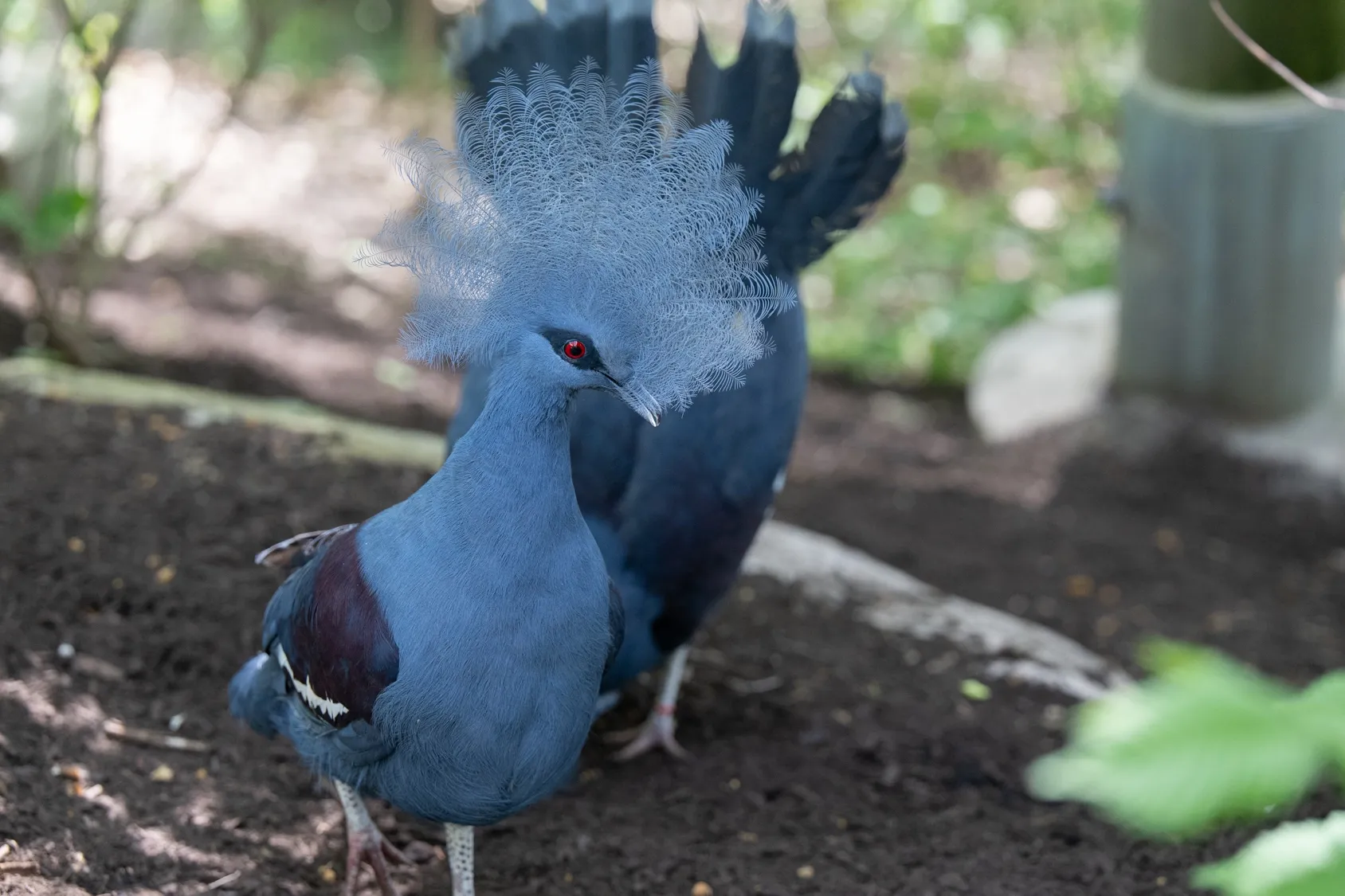
The Blue Crowned Pigeon
-

September 18, 2026
A Plan for a Panda
Saving Red Pandas in the Wild September 18, 2026The Pittsburgh Zoo & Aquarium has long been a home to red pandas and has supported the conservation of these beloved animals in the wild. Several Zoo staff members are key players…
-
August 18, 2026
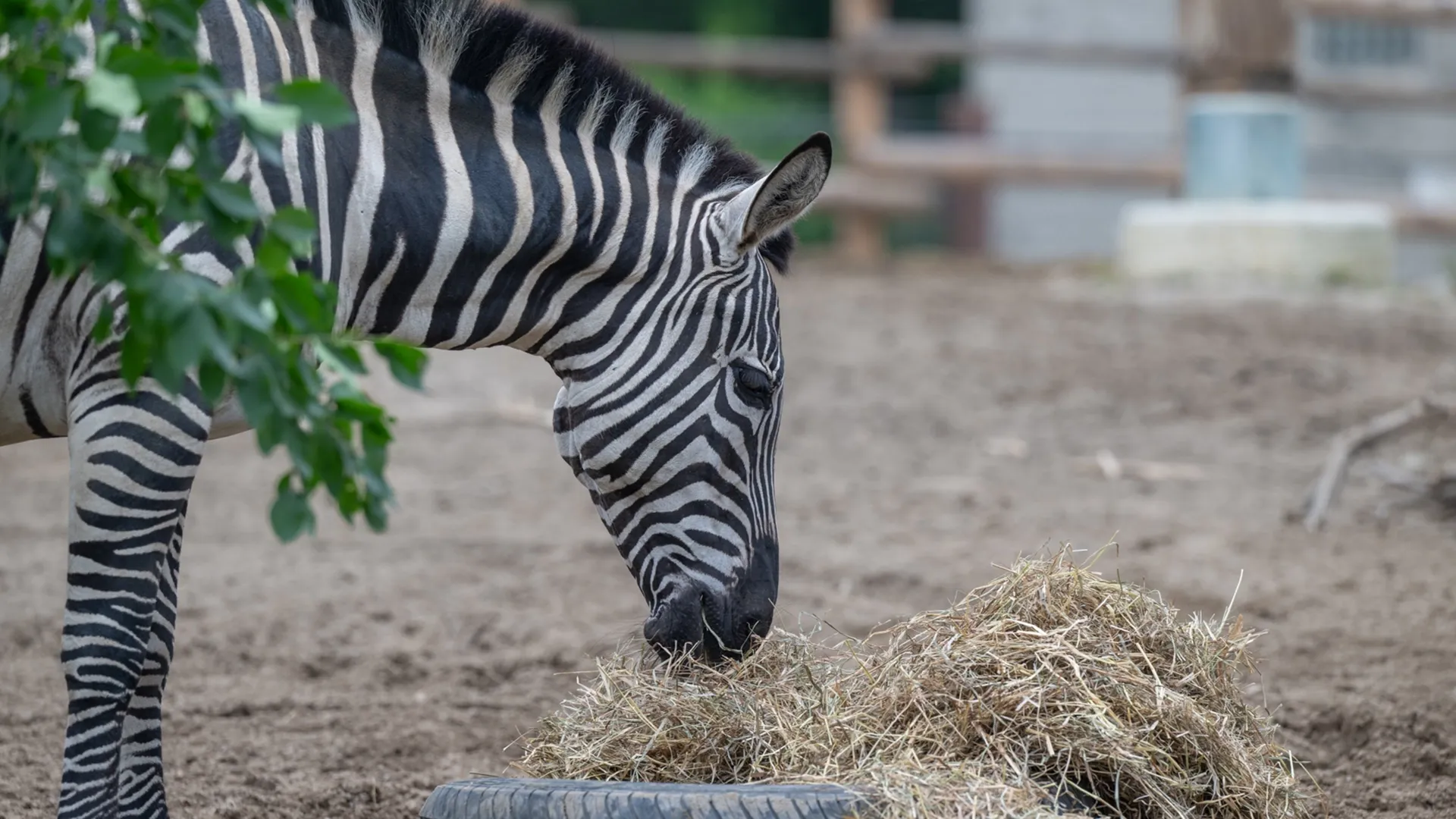
The Table Is Set for Breakfast with the Animals
Rise and Dine August 18, 2026Breakfast is a very important meal for animals, too. The right food at the right time is essential for their well-being and survival. A night of fasting leaves animals’ energy reserves depleted. The first meal…
-
August 11, 2026
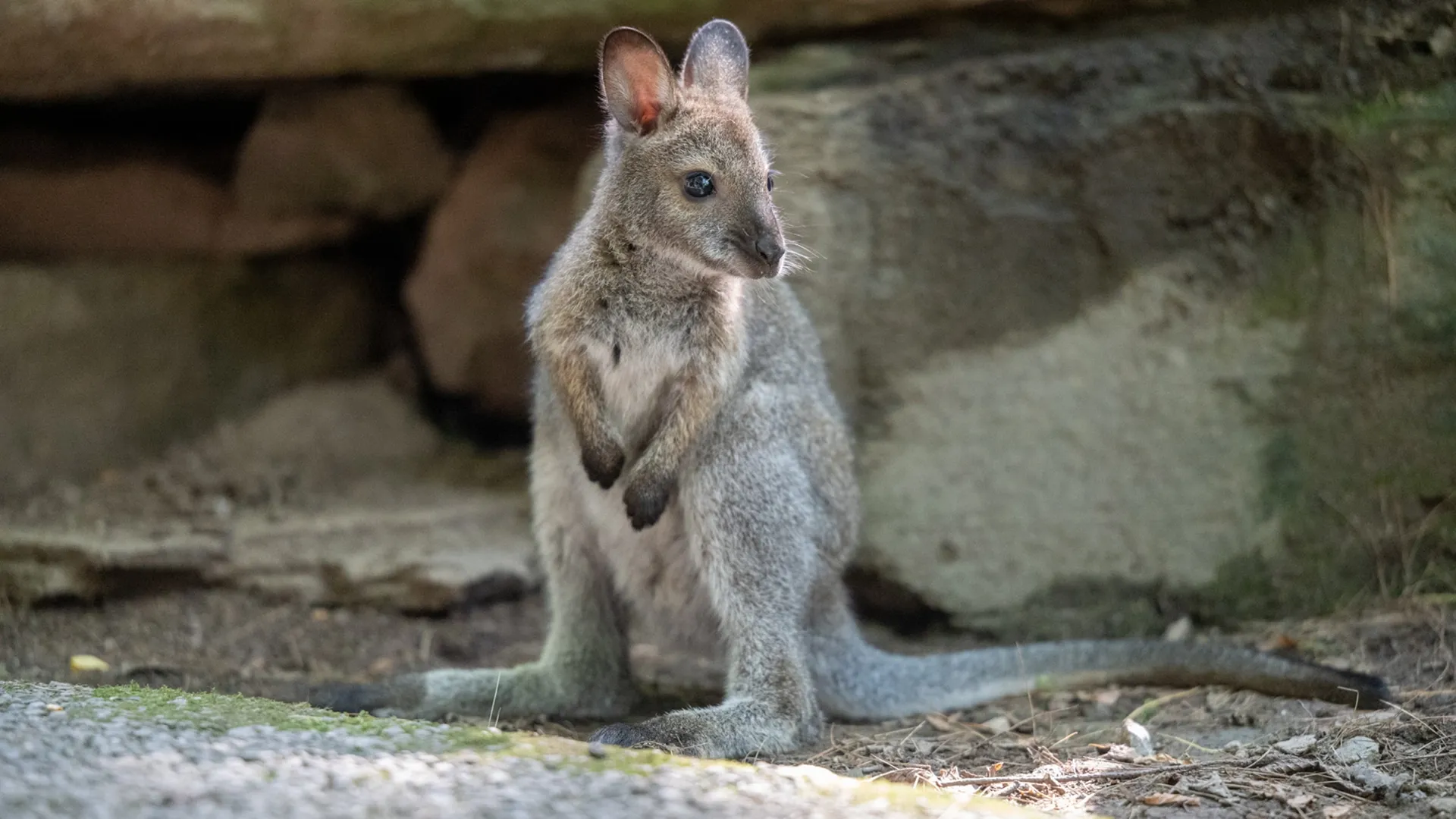
Welcome to the World, Walla-baby
Pocketful of Miracles August 11, 2026The Pittsburgh Zoo & Aquarium recently welcomed Arlo, a male wallaby joey, to Kids Kingdom. Arlo was most likely born in late October, as he was discovered during an early November pouch check of his…
-
August 10, 2026
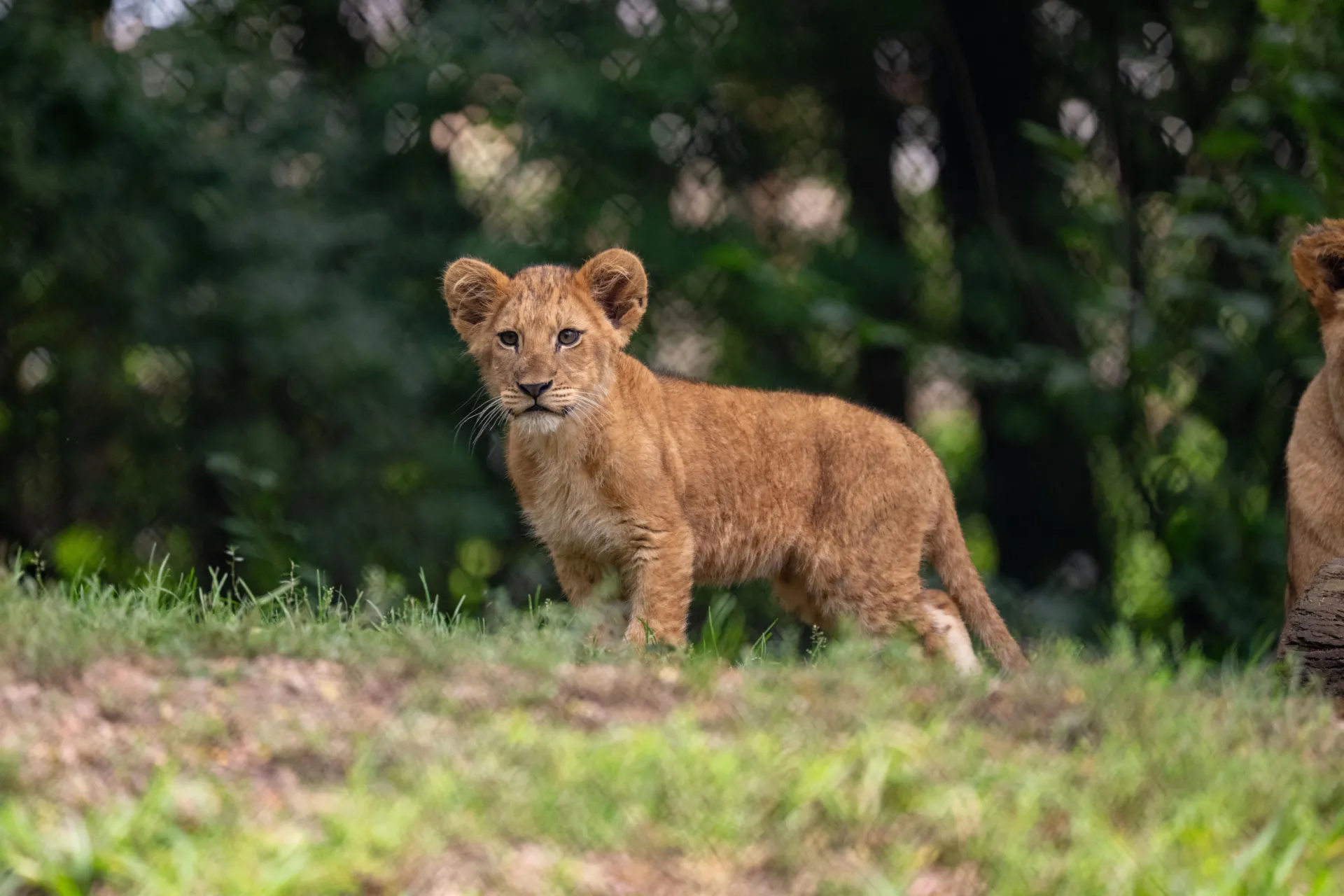
The Cub Has Been Dubbed
Pittsburgh Zoo & Aquarium Announces Name of Lion Cub August 10, 2026After weeks of anticipation, the Pittsburgh Zoo & Aquarium is pleased to announce both the official August 10 public debut and name of our four-month-old female African lion cub.…
-
August 7, 2026
The Perks of Being a Long-Necker
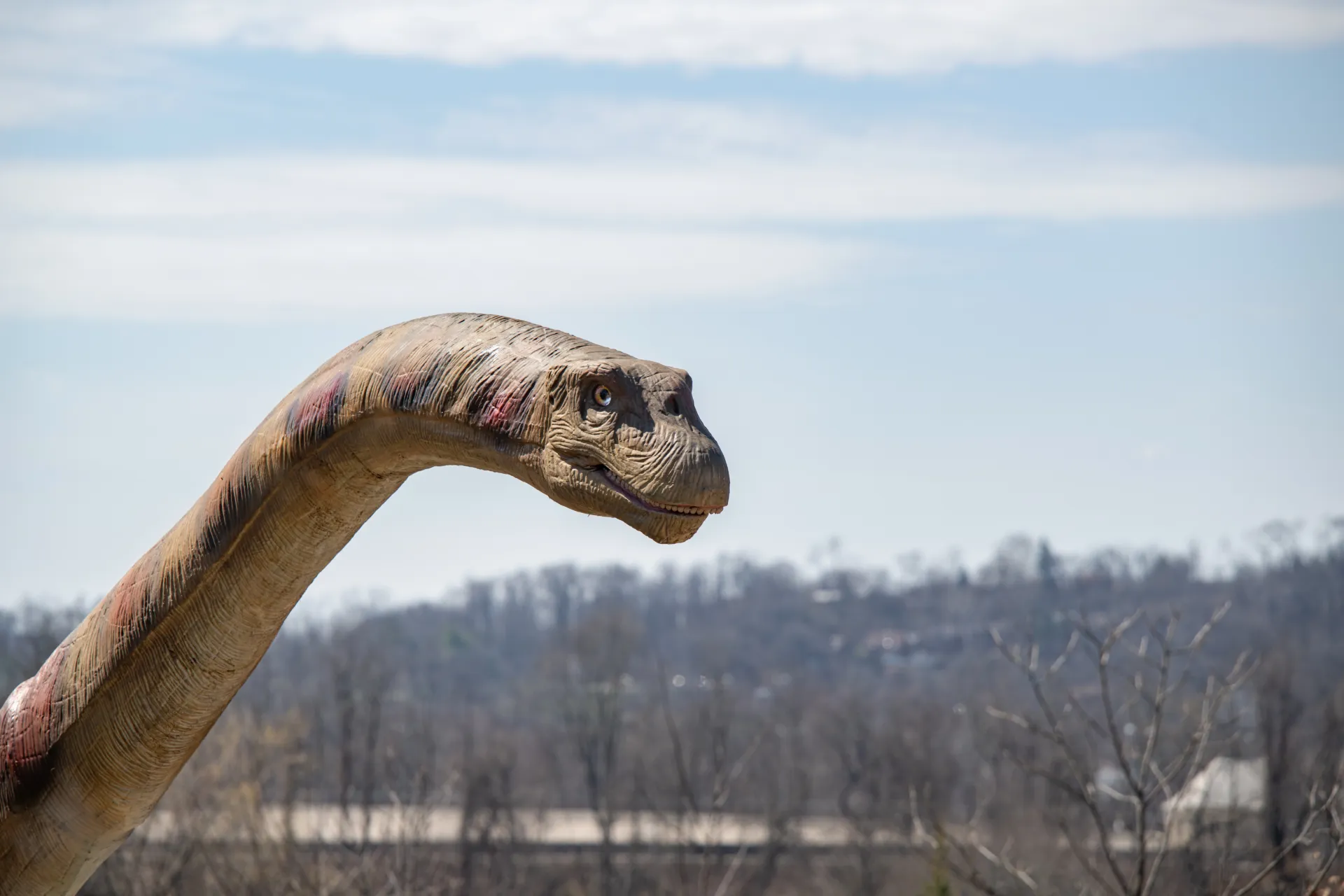
The Advantages of Having a Lengthy Neck August 7, 2026Incredibly large, plant-eating dinosaurs with long necks and tails, pillar-like legs, and contrastingly small heads belong to a group called sauropods: the largest land animals to have ever existed. This includes…