
Shark Egg Cases are Adaptations for Survival
July 8, 2026
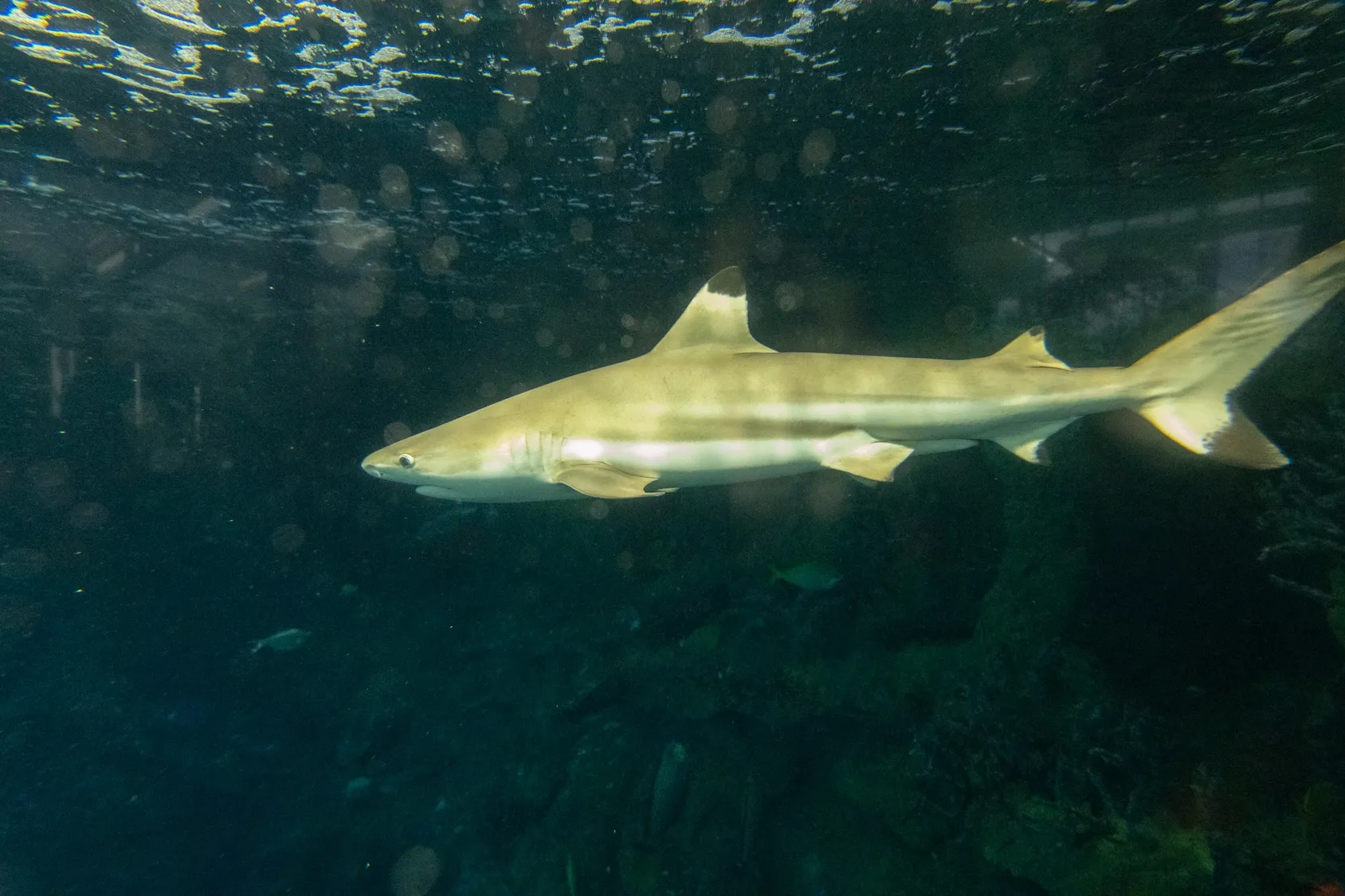
Sharks have a diverse range of reproductive strategies. Some species lay eggs (oviparity), while others give birth to live young (viviparity). In another way, a female shark will carry her eggs inside her body rather than laying her eggs to protect them from potential predators (ovoviviparity). Finally, sexual reproduction results when a female shark gives birth without any contact with a male. This rare phenomenon is known as parthenogenesis.
Forty percent of shark species lay eggs. They are encased in a leathery egg case, known as a mermaid’s purse, that surrounds the egg and protects the shark embryo during incubation. This capsule serves as a life-support system, providing the soon-to-be shark with everything it needs. The embryo absorbs nutrients from its yolk-sac before hatching as a miniature version of the adult. Mermaid’s purses are typically produced in pairs, each with one fertilized embryo inside, except for a few species that produce egg cases with more than one viable embryo. It can take six to nine months before the eggs are ready to hatch.
Usually rectangular in shape with horned projections at each corner, mermaid’s purses are made of collagen protein. The species of shark it belongs to can be determined by its size, shape, and features. A female shark spends a long time laying her eggs, ensuring they are securely fixed in a safe place on the seafloor, reef, seaweed, or kelp forest. Some have tendrils and sticky mucus covering the outside of the egg case that aids in attachment. Egg cases without a fibrous outer layer can be striated, bumpy, or smooth and glossy. Once empty, the discarded mermaid’s purses often wash up on the beach. Shell seekers often encounter them on the beach, particularly during strong currents or storms.
Shark eggs are high in nutrition and highly desired by marine predators, such as fish, sea snails, crabs, lobsters, and sea stars. Some gastropods are known to feed on egg cases by boring into the exterior. Even sharks themselves can be common predators of mermaid’s purses!
Every mermaid’s purse tells a story of survival – a remarkable reminder that sharks have been hatching in our oceans for millions of years. These natural nurseries remind us of the incredible journey that every young shark must take before beginning life beneath the waves.
Celebrate International Shark & Ray Awareness Day at the Pittsburgh Zoo & Aquarium on Tuesday, July 14 with touch tables, crafts, a chance to meet our aquarists and SCUBA divers, and more. Continue the celebration on Thursday, July 23 from 4 to 8 p.m. at “Suds for Sharks,” a special event at Cinderlands Warehouse at 2601 Smallman Street in the Strip District! Learn more about sharks and rays while enjoying your favorite beverages. There will be a silent auction of animal art, memberships to attractions, Wild Encounters, and more. One hundred percent of proceeds from the auction and a portion of profits from beverage sales go to Saving Animals From Extinction (SAFE) Shark & Ray to benefit conservation of these amazing marine animals.
-
October 1, 2026
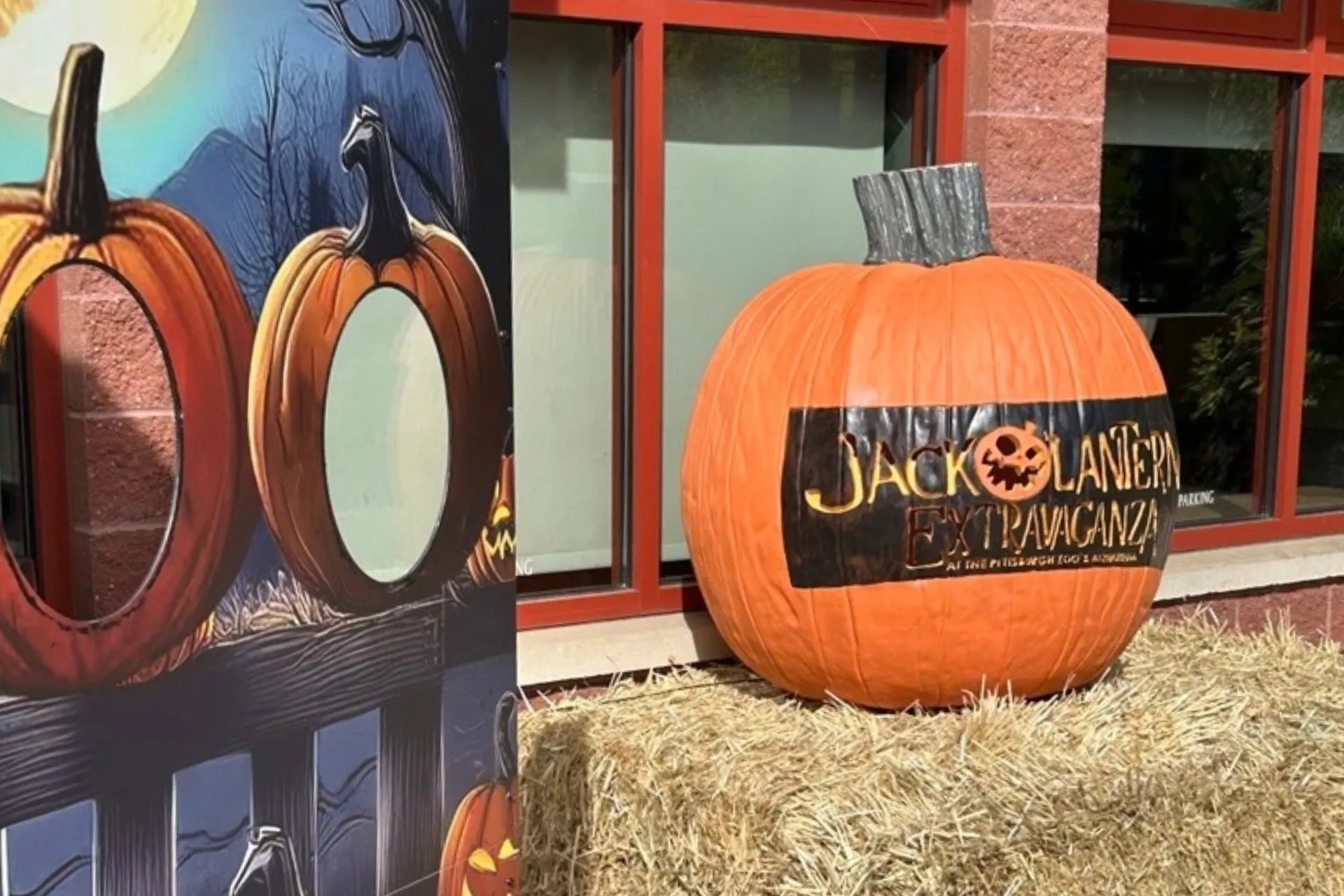
Gourd News: Jack O’Lantern Extravaganza Returns
Fall Favorite Returns to Pittsburgh Zoo & Aquarium October 1, 2026Nighttime magic and mystery return to the Pittsburgh Zoo & Aquarium from October 2 through November 1 with the Jack O’Lantern Extravaganza, presented by Peoples. A treasured tradition for families…
-

September 18, 2026
A Plan for a Panda
Saving Red Pandas in the Wild September 18, 2026The Pittsburgh Zoo & Aquarium has long been a home to red pandas and has supported the conservation of these beloved animals in the wild. Several Zoo staff members are key players…
-
August 18, 2026
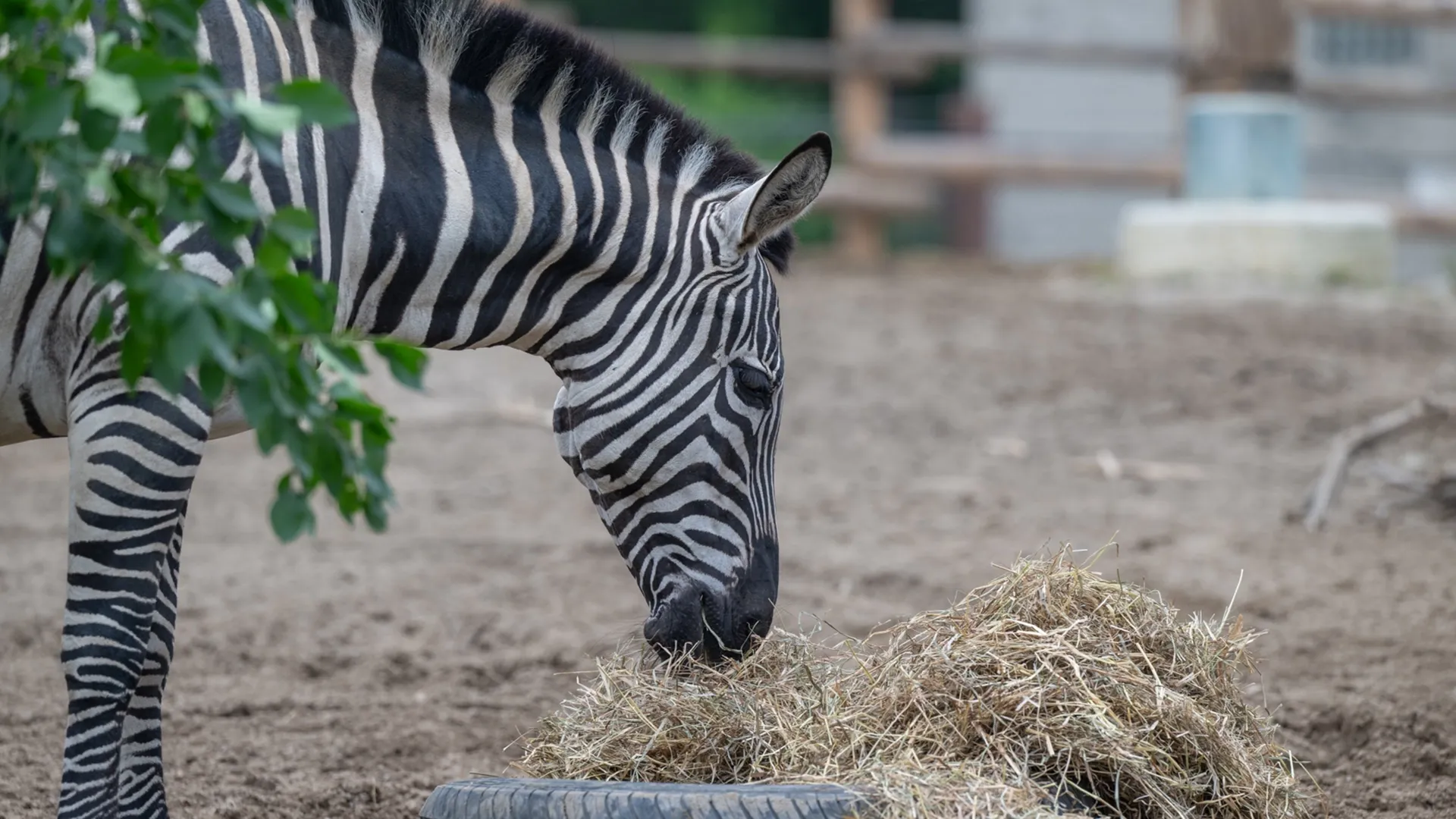
The Table Is Set for Breakfast with the Animals
Rise and Dine August 18, 2026Breakfast is a very important meal for animals, too. The right food at the right time is essential for their well-being and survival. A night of fasting leaves animals’ energy reserves depleted. The first meal…
-
August 11, 2026
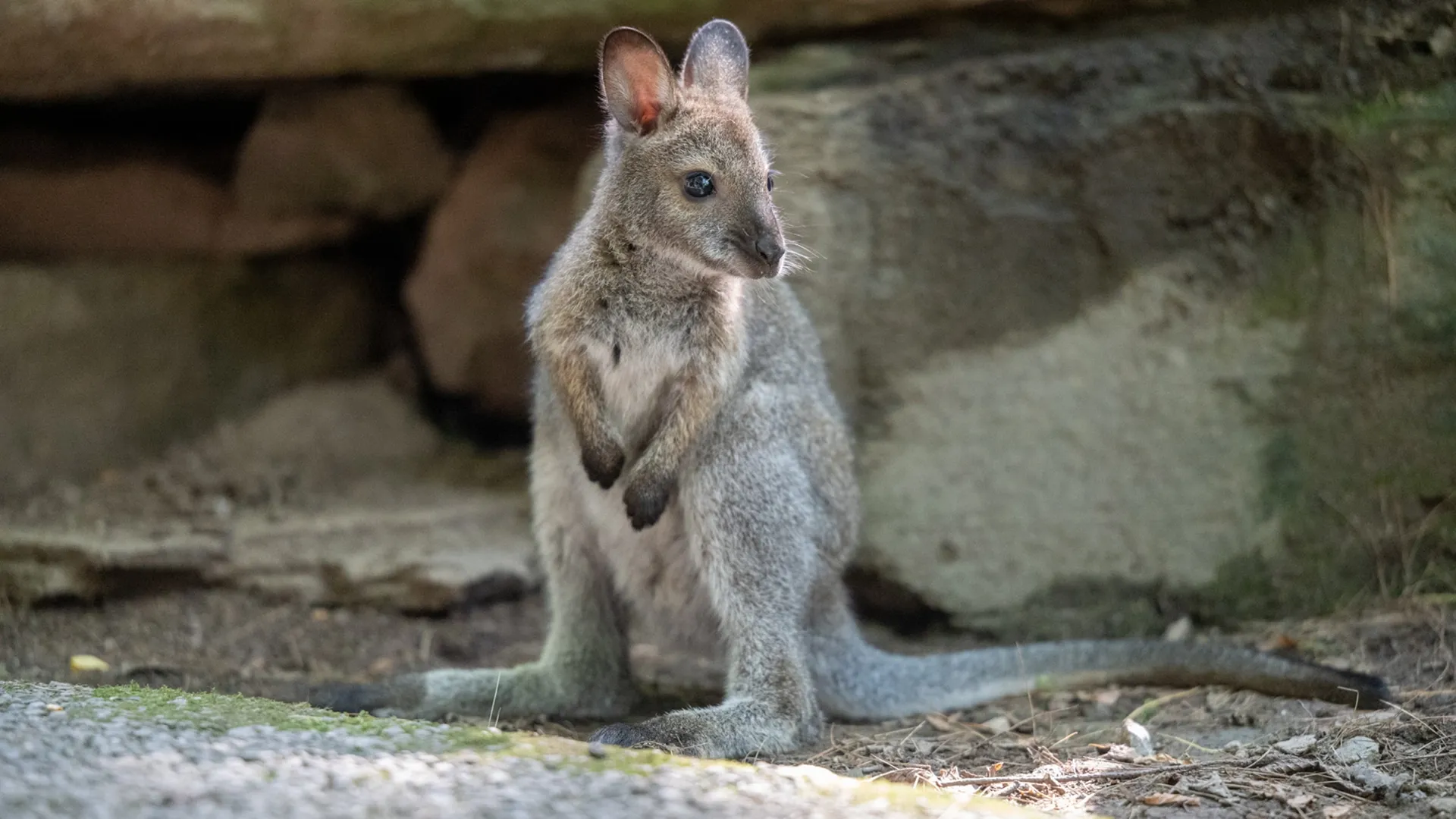
Welcome to the World, Walla-baby
Pocketful of Miracles August 11, 2026The Pittsburgh Zoo & Aquarium recently welcomed Arlo, a male wallaby joey, to Kids Kingdom. Arlo was most likely born in late October, as he was discovered during an early November pouch check of his…
-
August 10, 2026
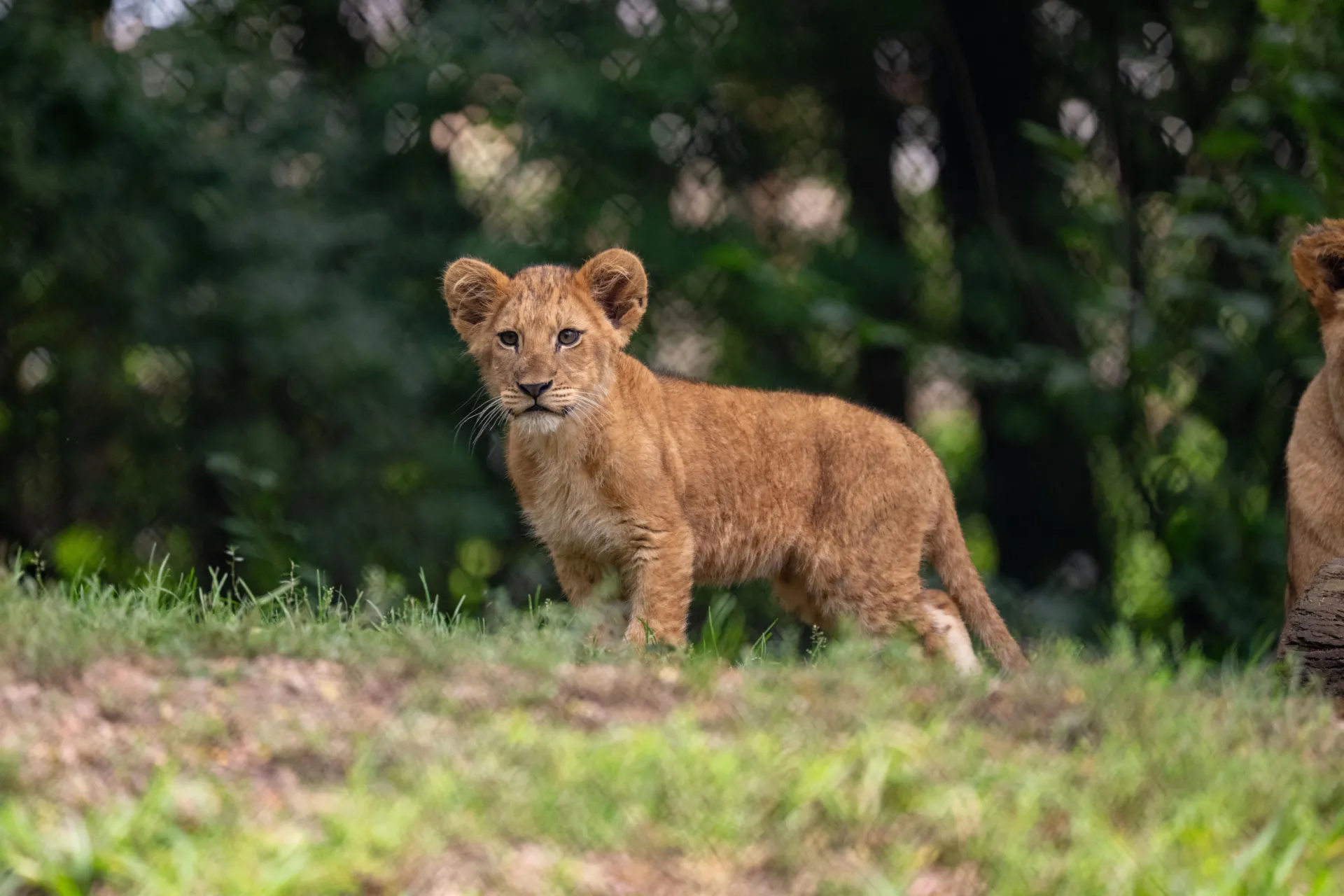
The Cub Has Been Dubbed
Pittsburgh Zoo & Aquarium Announces Name of Lion Cub August 10, 2026After weeks of anticipation, the Pittsburgh Zoo & Aquarium is pleased to announce both the official August 10 public debut and name of our four-month-old female African lion cub.…