
The Sea Turtle Who Stayed Behind
June 16, 2026
World Sea Turtle Day highlights the vital role these creatures play in maintaining healthy marine ecosystems and champions the survival of these magnificent marine reptiles. Sea turtles have survived 110 million years on Earth, outlasting dinosaurs, ice ages, and mass extinctions. However, their next 50 years may be their most uncertain.
Out of the seven recognized species of sea turtles, six are currently listed as endangered or critically endangered. Climate change, plastic pollution, habitat loss due to coastal development, and entanglement in fishing gear push these ancient animals toward the brink of extinction. Turtles play a crucial role in balancing ocean life. They help maintain seagrass beds and coral reefs, which are essential for marine biodiversity.
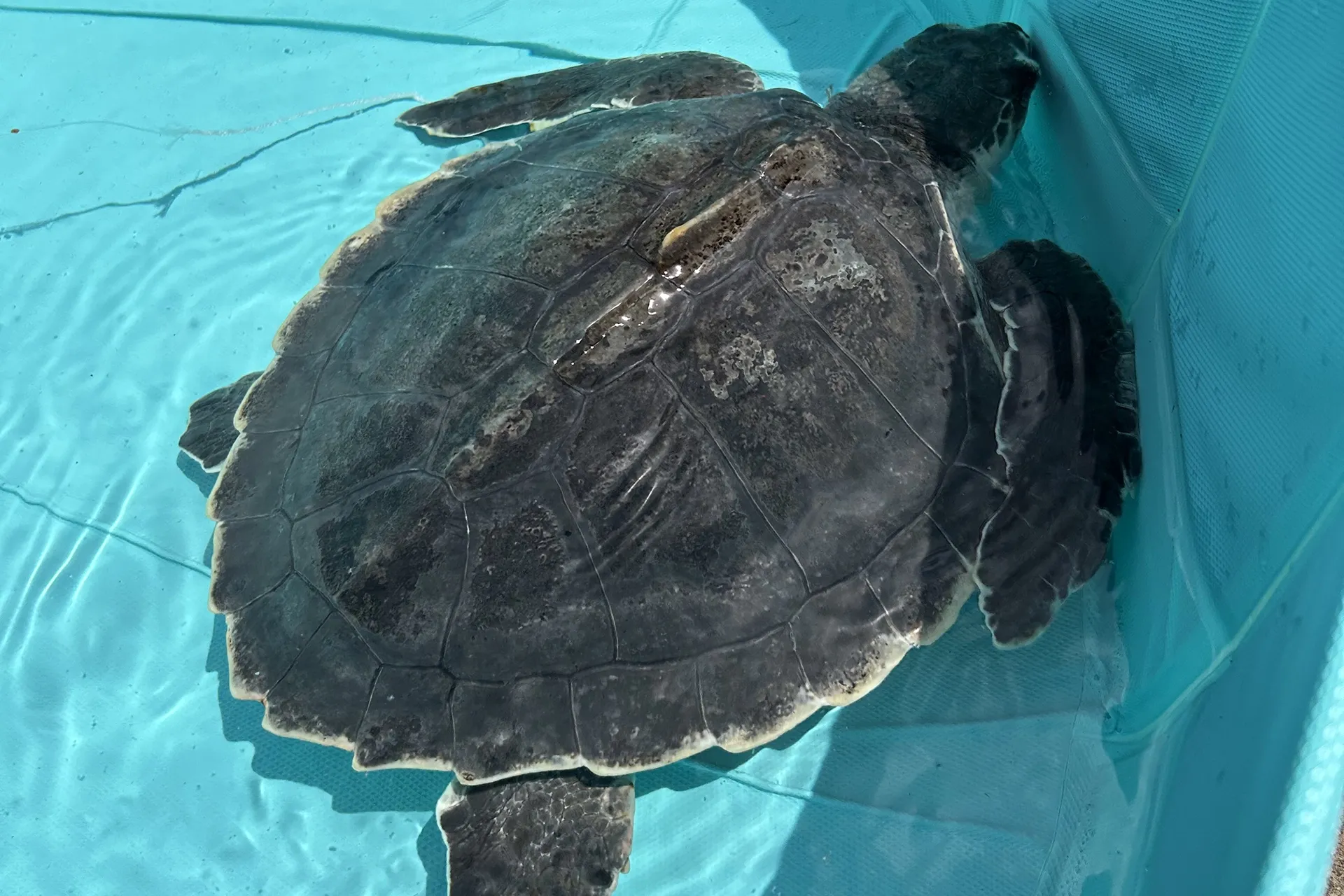
Every year, the Pittsburgh Zoo and Aquarium’s Sea Turtle Second Chance program, sponsored by Peoples, rehabilitates cold-stunned sea turtles for release back into the ocean. Eleven Kemp’s ridley sea turtles were successfully released back into the Atlantic Ocean in April. This World Sea Turtle Day, we shell-ebrate the sea turtle that stayed behind.
Trooper was unable to be released with the other sea turtles due to a bone infection and remained at the Zoo to continue recovery. We checked in with Aquarist Jen Dancico to get an update. “Trooper is doing well and feeling better,” she says. “He is now sitting on the bottom of the tank instead of floating at the surface and is able to get up and swim around on his own.”
The turtle is still getting pain meds, but the bone infection seems to have cleared up. His most recent x-rays showed the fractures in his front fins are slowly healing. His appetite has improved and he is taking calcium and vitamins. Trooper is also getting sunlight therapy for 30 minutes to one hour a day depending on the weather. You might see him catching some rays in his swimming pool outside of the Aquarium!
“Trooper is the sweetest turtle,” Dancico reports. “He has a very mellow attitude and doesn’t get upset with us moving him around for his shots or transferring him to his outside pool. He also loves having his “butt” scratched. Most turtles do – something about it feels good to them.”
Trooper’s caretakers are hopeful he can return to the ocean next year. You can help protect sea turtles like Trooper by reducing your plastic consumption and supporting sustainable seafood choices. Avoiding disturbing nesting sites and hatchlings is also crucial. Together, we can make a difference for Trooper and sea turtles everywhere!
-
July 8, 2026
The Case of the Mermaid’s Purse
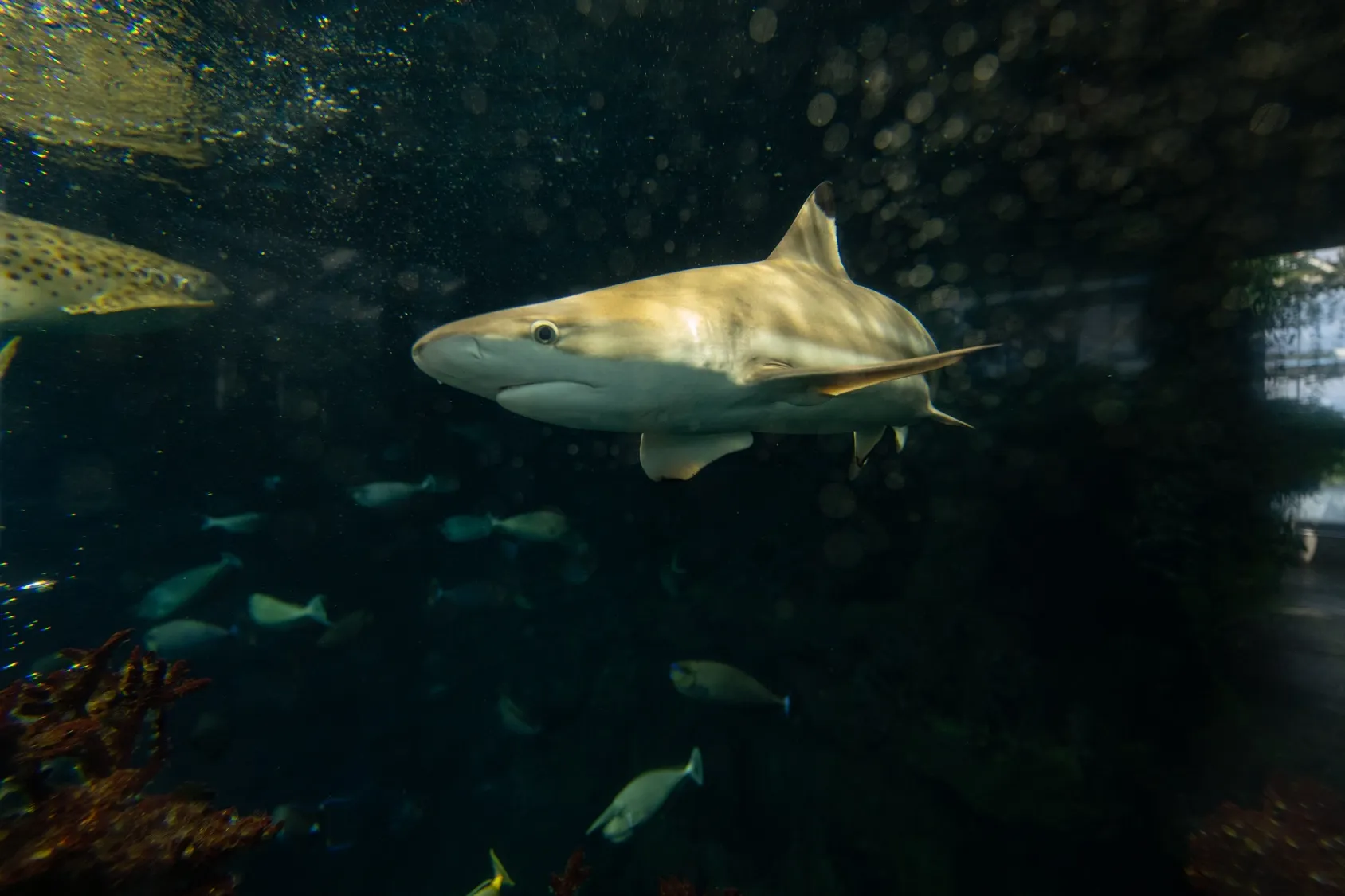
Shark Egg Cases are Adaptations for Survival July 8, 2026Sharks have a diverse range of reproductive strategies. Some species lay eggs (oviparity), while others give birth to live young (viviparity). In another way, a female shark will carry her eggs…
-
July 2, 2026
Life, Liberty, and the Pursuit of Bananas
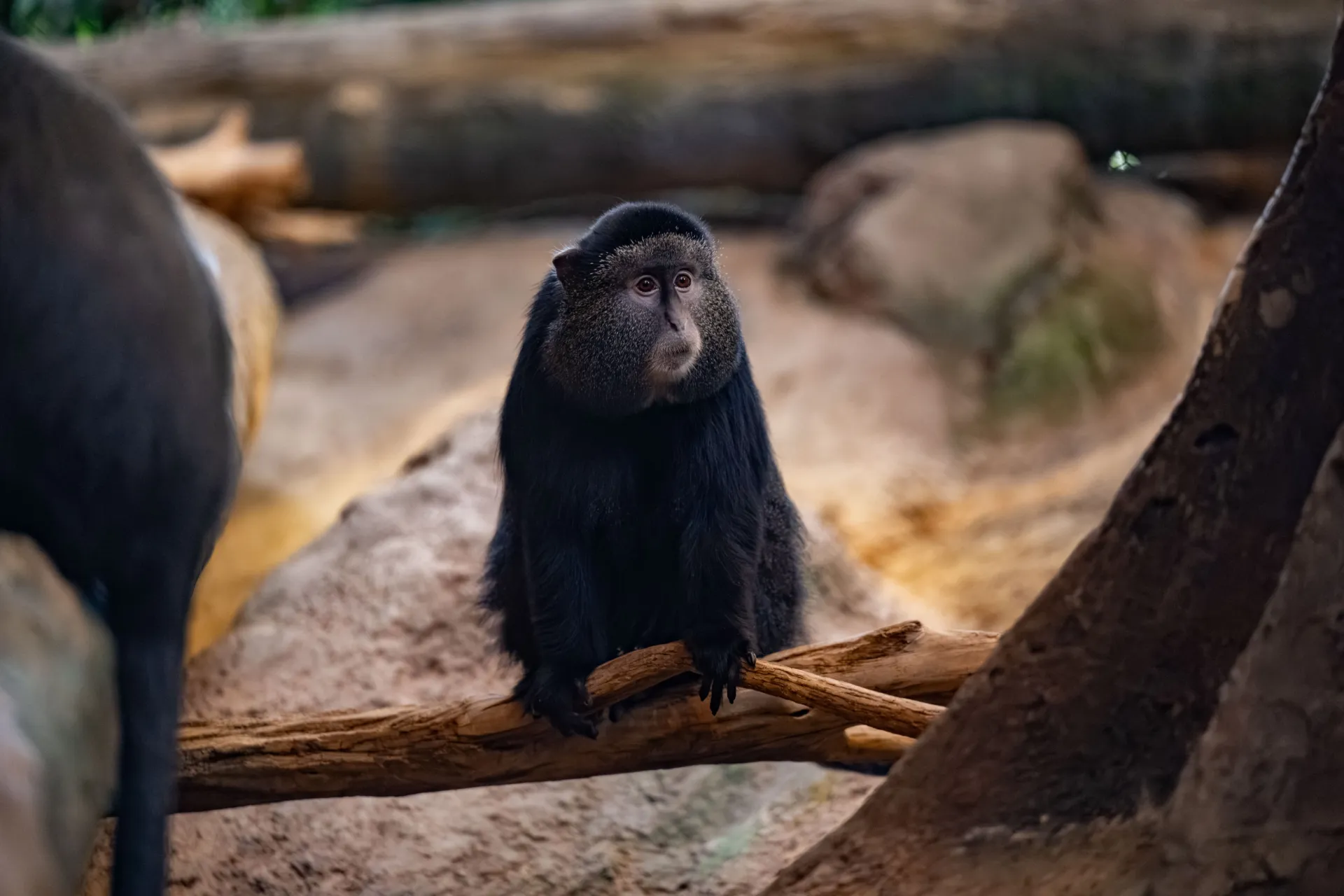
Red, White, and Boopster July 2, 2026As we swing into Independence Day, there will be even more hooting and hollering than usual in the Tropical Forest Complex! In addition to being America’s 250th celebration, the Fourth of July is the…
-
July 2, 2026
Pittsburgh Zoo and Conservation Center Welcome New Elephant Residents
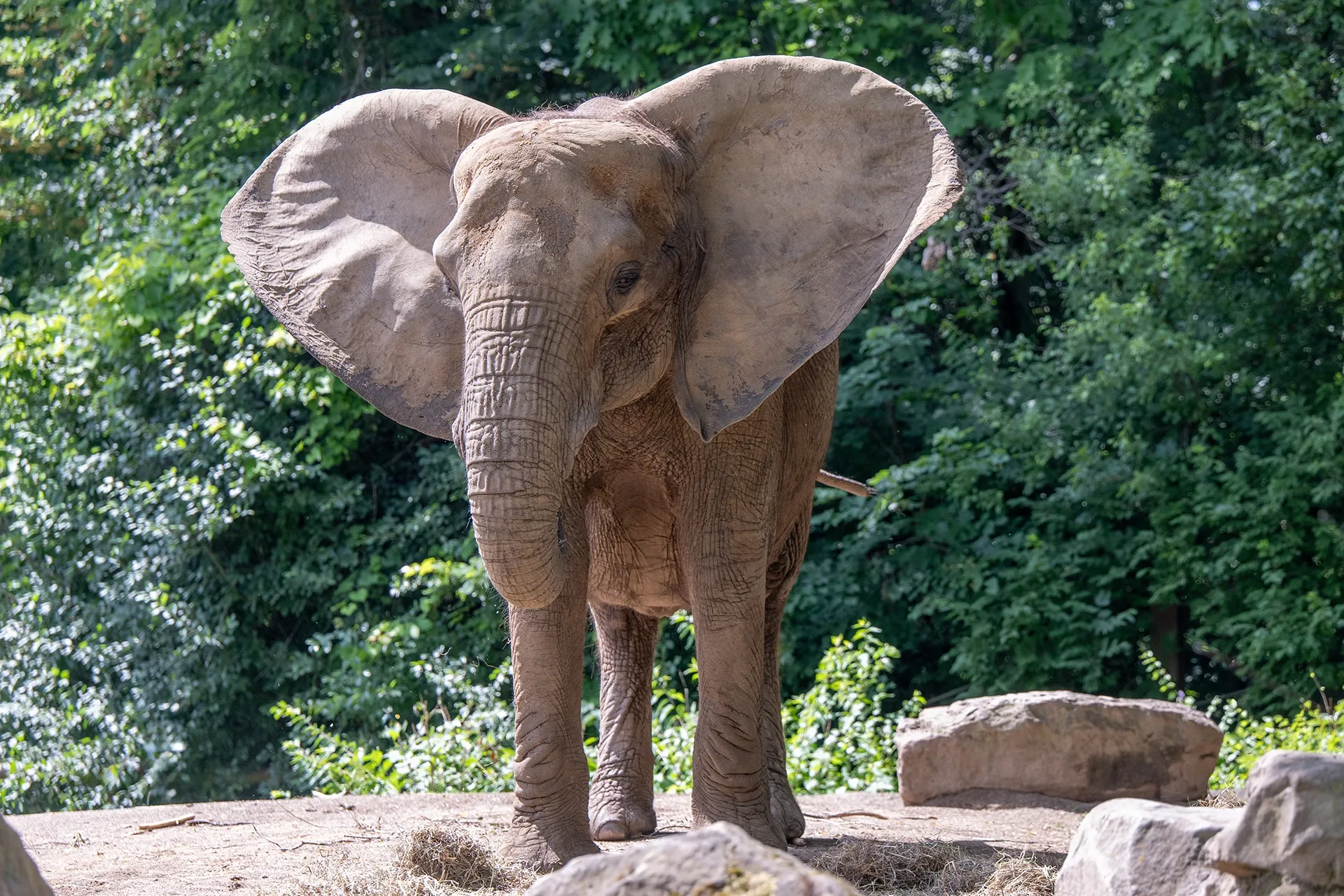
Strategically Planned Elephant Transfers Focus on Well-being of Animals July 2, 2026The Pittsburgh Zoo & Aquarium and the International Conservation Center in Somerset, PA, recently welcomed new elephant residents through a series of carefully planned moves to prioritize the unique…
-
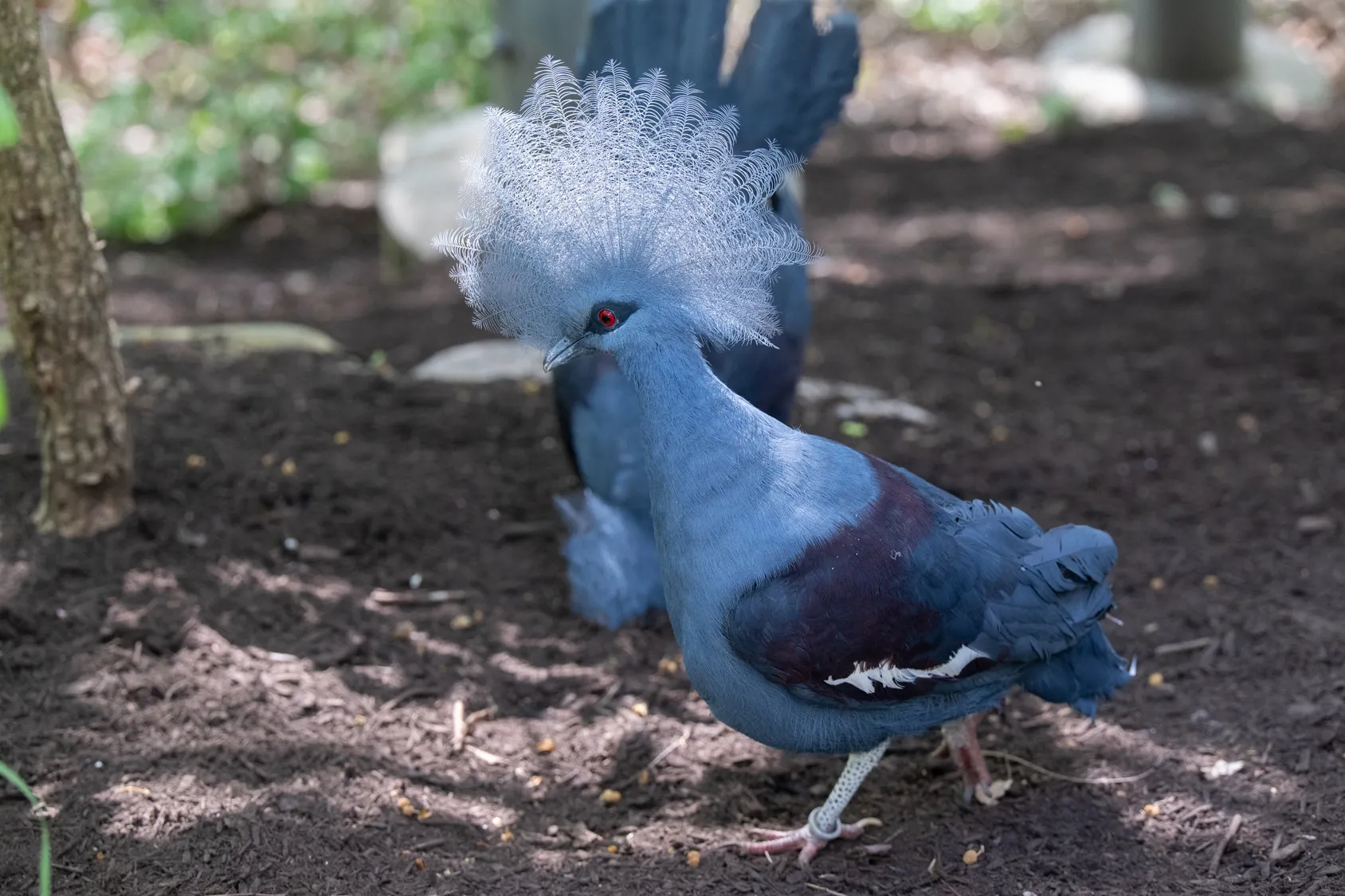
June 17, 2026
Pigeon Power!
Honoring Nature's Unsung Urban Bird June 17, 2026In honor of National Pigeon Day, we're celebrating the big, amazing family of beautiful birds that includes the mourning dove, the massive blue crowned pigeon, and even the extinct dodo. There is no…
-
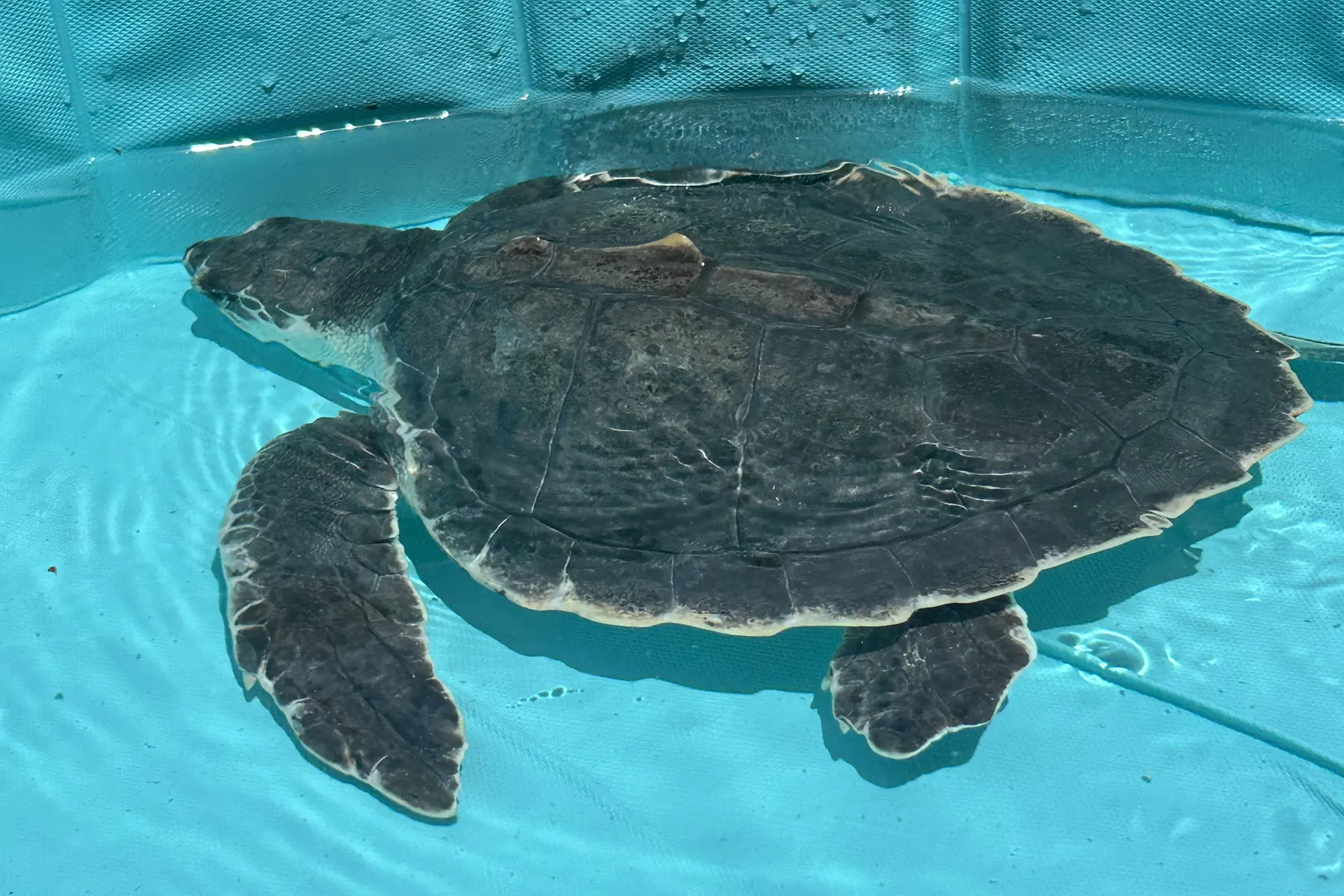
June 16, 2026
Super Trooper
The Sea Turtle Who Stayed Behind June 16, 2026World Sea Turtle Day highlights the vital role these creatures play in maintaining healthy marine ecosystems and champions the survival of these magnificent marine reptiles. Sea turtles have survived 110 million years…