
Dr. Shafkat Khan, the Director of Conservation at the Pittsburgh Zoo & Aquarium, recently traveled to the Orangutan Information Centre in Indonesia, and the Red Panda Conservation Symposium in Nepal. Read updates from his trip here.
Conservation Workshop with the Orangutan Information Center, Medan, North Sumatra, Indonesia
The Orangutan Information Center (OIC) is based in Northern Sumatra, providing important leadership and conservation efforts for the two species of Orangutan found in Sumatra – Sumatran and Tapanuli orangutans. Based on the workshop and discussions during the field visit with OIC in April, they asked Pittsburgh Zoo & Aquarium to support a conservation strategy workshop.
OIC works on a number of regional landscapes in Sumatra, and all of these landscapes are different in their ecology and conservation needs. Our workshop aimed to align the current conservation efforts with the landscape level needs. The goal behind this alignment is to make sure our efforts are smart, effective, and responsive to the specific needs we see on the landscape.
The portion of the workshop that we led was focused on Theory of Change. This is a useful part of planning for conservation effectiveness. The teams engaged in identifying their priority actions for each landscape to address the main drivers of forest and wildlife decline. Following the workshop, we are now supporting OIC’s leadership in making location-specific plans through the end of 2026. This planning work will also guide resource and fund allocation by OIC to the regional projects. We are optimistic that this work will drive conservation impact and excellence for conserving the two species of orangutans that call Sumatra their home.
Field Visit with OIC and NoFilter to Gayo Lues Province
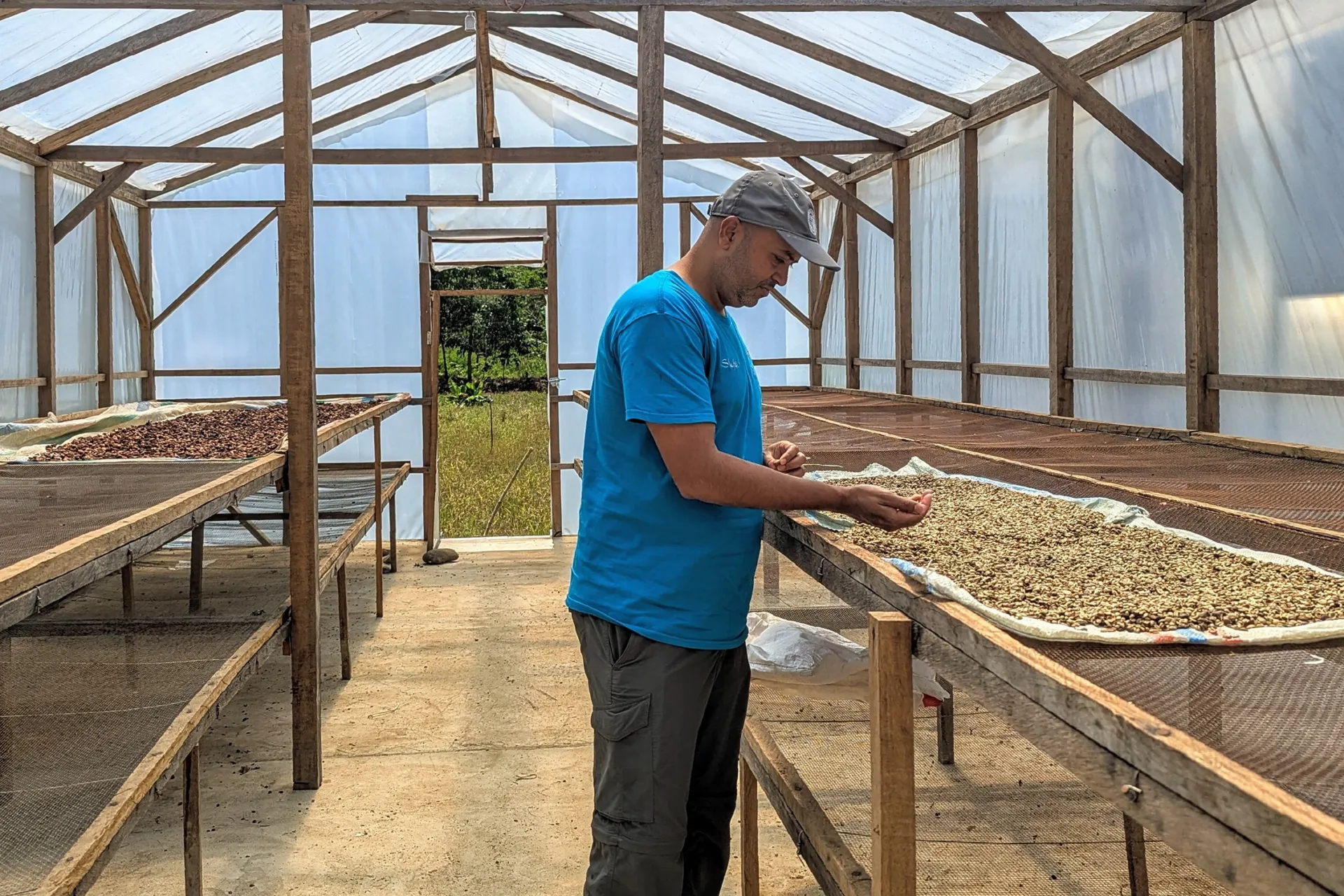
Following the workshop in Medan, I accompanied Syafrizaldi Jpang (Executive Director), Binur D Naibaho (Director of Sustainable Landscape), Sinan Serhadli (Strategist) and Alex Clark, of NoFilter Coffee, to locations in the Gayo Lues province. This province is famous globally for its high-quality coffee and OIC is working with NoFilter to connect community livelihood via coffee and cacao with community support for forest protection and wildlife conservation.
We visited with coffee farmers in their fields in several villages and other local coffee processing centers. It is vital to understand how this industry supports the livelihood and wellbeing of the people living in the province while also promoting support for the conservation and protection of local forests. This helps us connect you, our supporters, to the Zoo’s global conservation efforts. To support these initiatives by OIC and NoFilter, we are assessing opportunities to bring this coffee to the zoo.
Red Panda Conservation Symposium in Kathmandu, Nepal
The Red Panda Network, with support from SAFE Red Panda and the European Association of Zoos and Aquarium’s Global Species Management Plan (GSMP), hosted the first Red Panda Symposium in Kathmandu, Nepal. The symposium, held October 5-9, 2026, brought together over 60 participants from the red panda range countries – Nepal, India, Bhutan, Myanmar, and China. As Pittsburgh Zoo & Aquarium is a proud leader of the SAFE Red Panda program, we directed support via SAFE to RPN and provided symposium organization help and intellectual contributions.
For my part, I moderated a session on conservation efforts across the range countries and did two different presentations on climate change effects on red pandas, as well as forest restoration guidelines for their habitat conservation.
The first two days of the symposium focused on scientific presentations and the last three days were focused on identifying current gaps and collaborative next steps for this emblematic species of high-elevation mountains. The last day kicked off the IUCN Red List assessment process for red pandas. Experts from range countries will provide information to collectively decide if the red panda will be classified as threatened or endangered, which is a more imperiled conservation status for this species. Depending on the status of this species, experts and organizations can decide on long-term strategies versus a more urgent conservation plan.
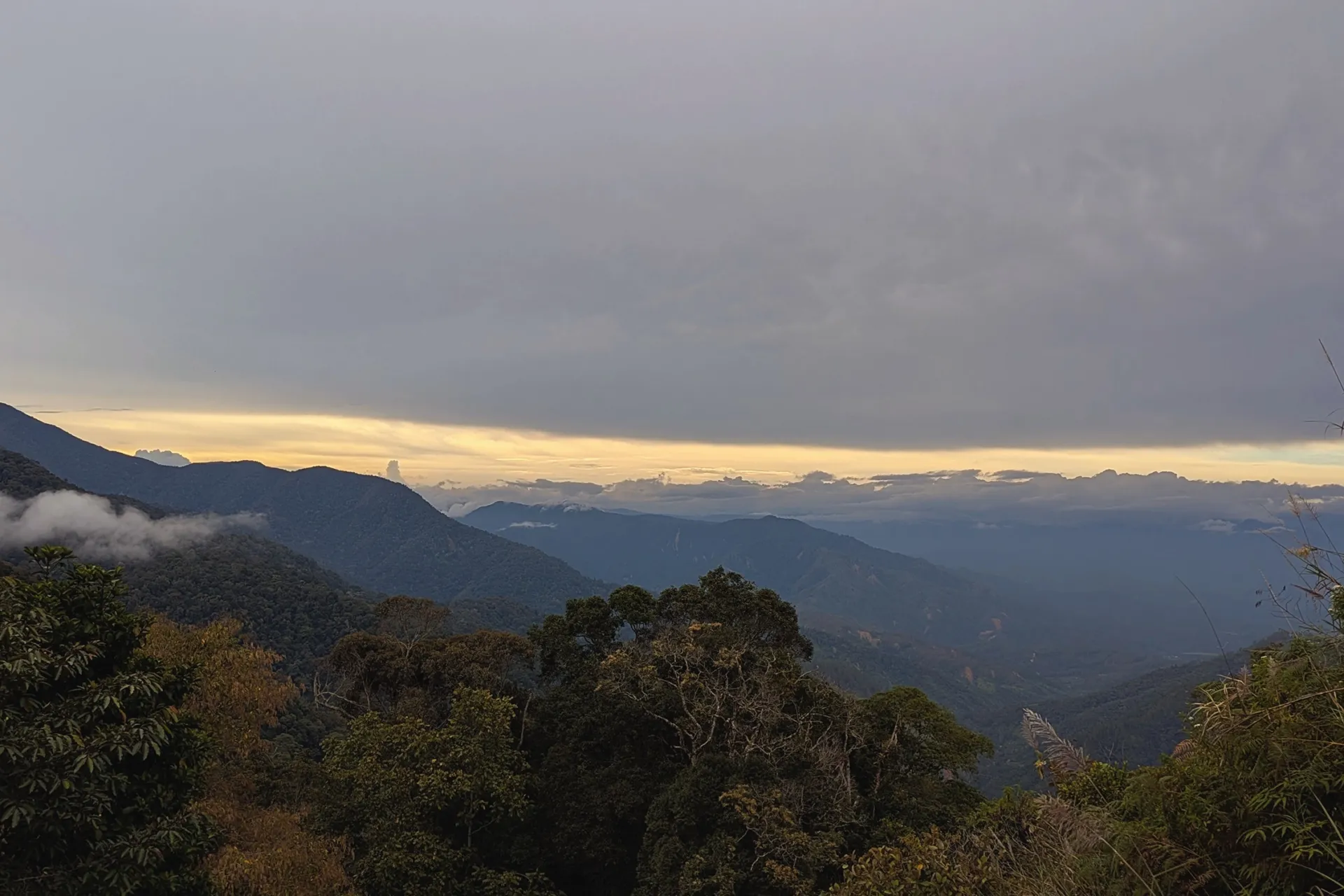
Sumatra
A photo diary of Dr. Khan’s trip to Indonesia and Nepal
-
November 11, 2026
Zoo's Director of Conservation Visits Asia, Highlights Efforts to Save Orangutans and Red Pandas
Dr. Shafkat Khan, the Director of Conservation at the Pittsburgh Zoo & Aquarium, recently traveled to the Orangutan Information Centre in Indonesia, and the Red Panda Conservation Symposium in Nepal. Read updates from his trip here. Conservation Workshop with the…
-
November 5, 2026
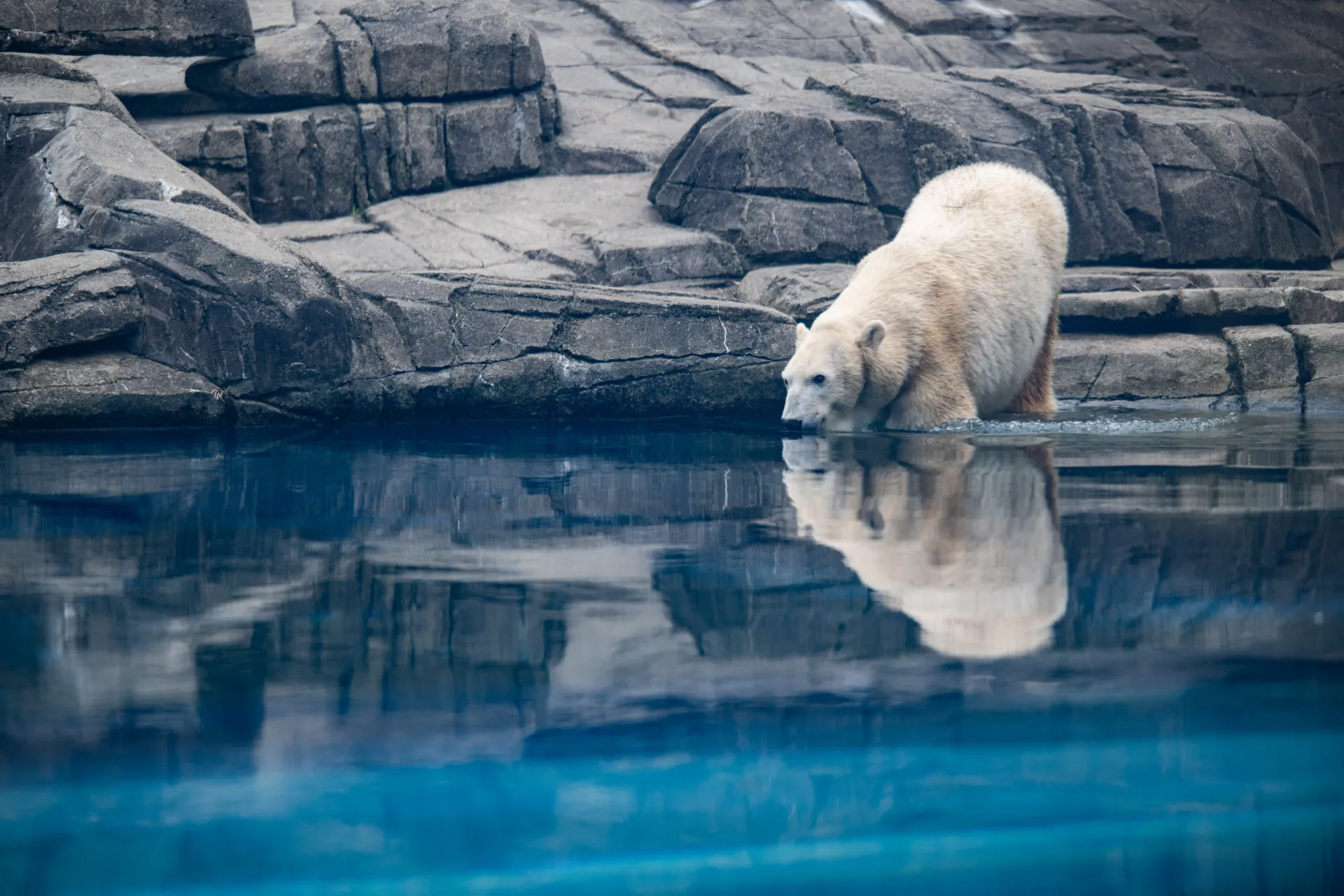
Icy Icons Worth Protecting
Polar Bear Week Celebrates Arctic Animals November 5, 2026Every fall, polar bears gather along Hudson Bay near Churchill, Canada, waiting patiently for the sea ice to return so they can hunt seals. However, the ice-free summer now stretches three to…
-
October 23, 2026
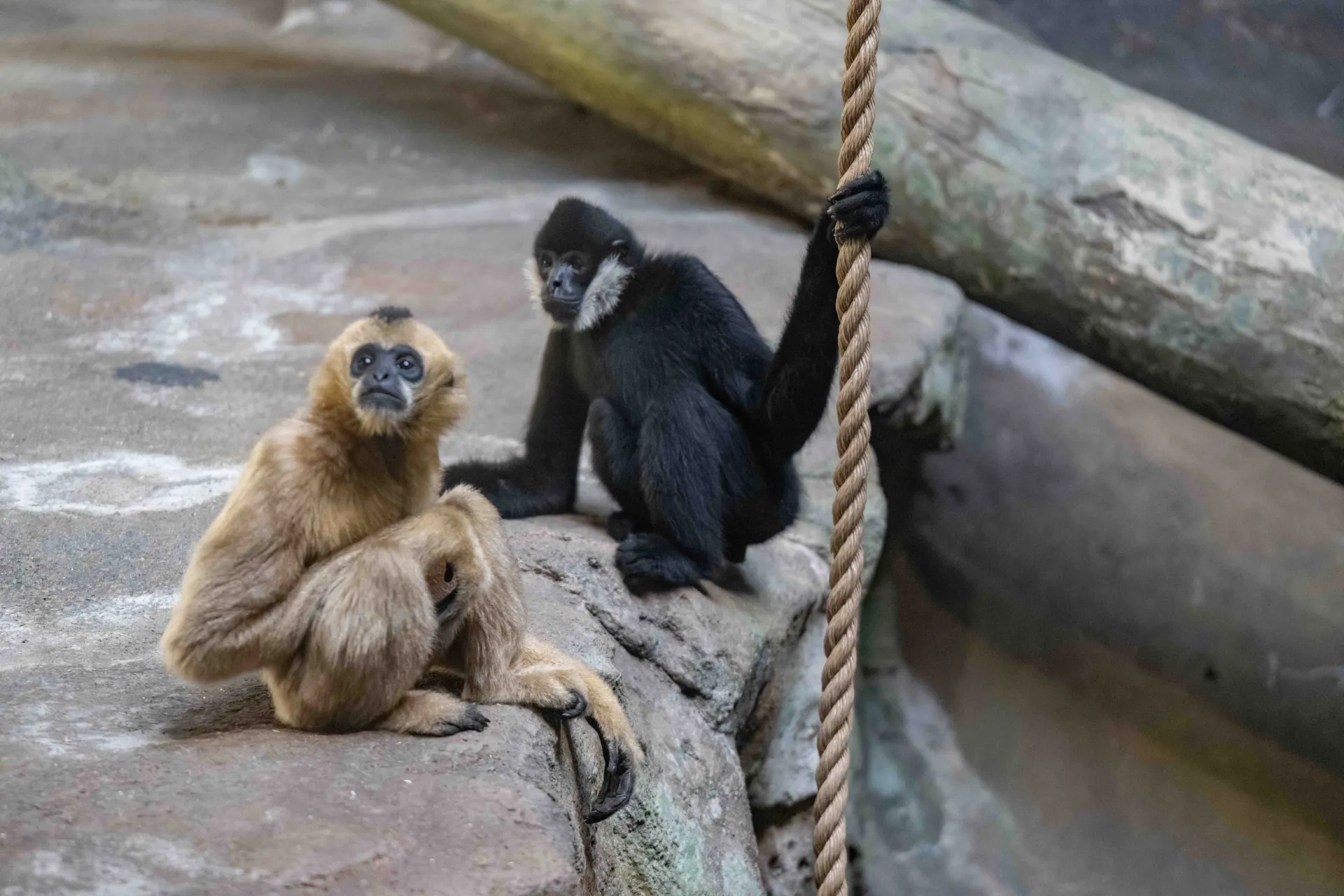
Gibbon Us a Reason to Celebrate
Apes Arrive in Time for World Gibbon Day October 23, 2026World Gibbon Day swings into action on October 24, raising awareness and support for conserving all 20 gibbon species, many of which are critically endangered. This year, the Zoo has…
-

October 1, 2026
Gourd News: Jack O’Lantern Extravaganza Returns
Fall Favorite Returns to Pittsburgh Zoo & Aquarium October 1, 2026Nighttime magic and mystery return to the Pittsburgh Zoo & Aquarium from October 2 through November 1 with the Jack O’Lantern Extravaganza, presented by Peoples. A treasured tradition for families…
-
September 18, 2026
A Plan for a Panda
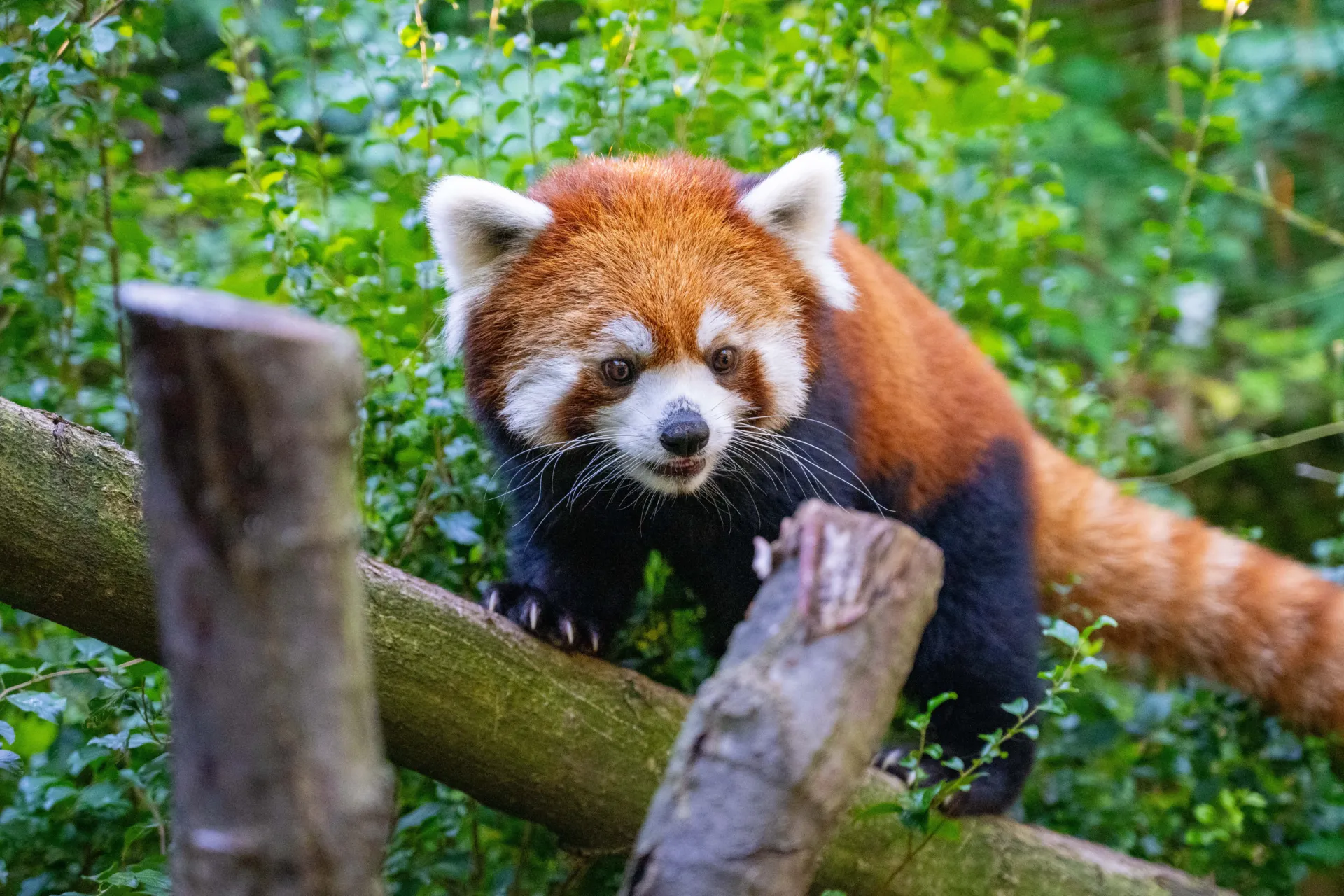
Saving Red Pandas in the Wild September 18, 2026The Pittsburgh Zoo & Aquarium has long been a home to red pandas and has supported the conservation of these beloved animals in the wild. Several Zoo staff members are key players…