
Apes Arrive in Time for World Gibbon Day
October 23, 2026
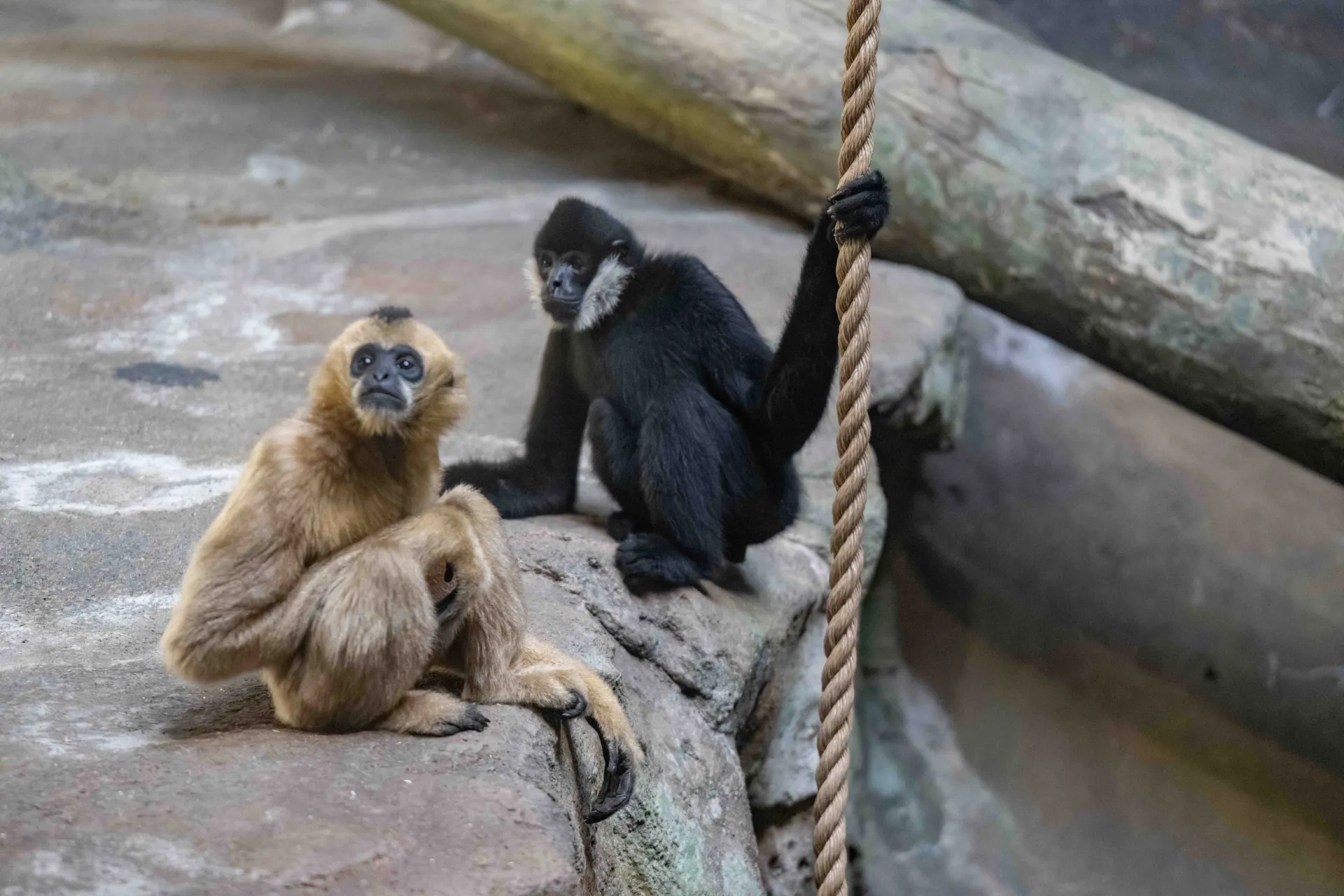
World Gibbon Day swings into action on October 24, raising awareness and support for conserving all 20 gibbon species, many of which are critically endangered. This year, the Zoo has double the reason to celebrate: two northern white-cheeked gibbons have joined the family, 12-year-old Dennis and 7-year-old Anastasia!
The new kids on the canopy recently arrived from the Gibbon Conservation Center in California and are settling into their new home in the Tropical Forest Complex. Both are gentle foodies who enjoy fruit, greens, and sweet potatoes. Clever Dennis loves cracking puzzle feeders and making a racket by tossing noisy toys around. Anastasia is smart and independent, with a sweet, gentle, and playful streak.
Northern white-cheeked gibbons may resemble monkeys, but they are apes like chimpanzees, gorillas, and orangutans. One clue: they have no tail. They begin life with tan fur that changes as they grow. Adult males have black coats and large white cheek patches, while mature females range from reddish brown to cream or beige.
Built for the treetops, these adept apes use their long arms to swing quickly between branches. When walking on two legs, they hold their arms overhead for balance. They live in evergreen and semi-evergreen forests in Vietnam, Laos, and China. Their ranges can span 100 acres, and they may travel a mile a day. Though much remains unknown, their diet appears to consist mainly of fruit, plus flowers, leaves, and insects.
Northern white-cheeked gibbons usually live in families of two adults and their offspring. After a seven-month pregnancy, a female has one baby every two to three years. A newborn clings to its mother’s middle, letting her cradle it while sitting with raised knees. As it grows, it wraps its long arms around her chest.
Young northern white-cheeked gibbons need extensive care. They become independent around age three, reach sexual maturity at six, and usually leave to find a territory and mate at eight to 10.
Treetop life likely protects these gibbons from ground predators, though birds of prey can still attack from above. A greater threat is habitat loss as forests are cleared for fuel, timber, and farmland. Gibbons are also hunted for food and traditional medicine, likely the main cause of their decline.
Although common in zoos, northern white-cheeked gibbons have nearly disappeared from the wild. None have been seen in China since 1990, and the species may be extinct there. Only a few groups remain in Southeast Asia, some in protected areas where wildlife laws are weakly enforced. Laos is their main stronghold because it retains more habitat than China or Vietnam. Scientists estimate the population has fallen at least 80 percent in 45 years, leading the International Union for Conservation of Nature to list the species as critically endangered.
Dennis and Anastasia can be gibbon a warm welcome by Zoo guests in the Tropical Forest Complex as they slowly get used to their new neighborhood.
Join us at the Zoo to celebrate World Gibbon Day on Saturday, October 24, with fun and educational activities focusing on these acrobatic apes. From 10:30 a.m. to 3 p.m., donate your old laptops, tablets, and phones to have them responsibly recycled. Indonesia is the world’s second largest producer and exporter of lithium and cobalt, which are used in almost all technology products. Gadgets for Gibbons works to retain these precious resources instead of allowing them to end up in landfills.
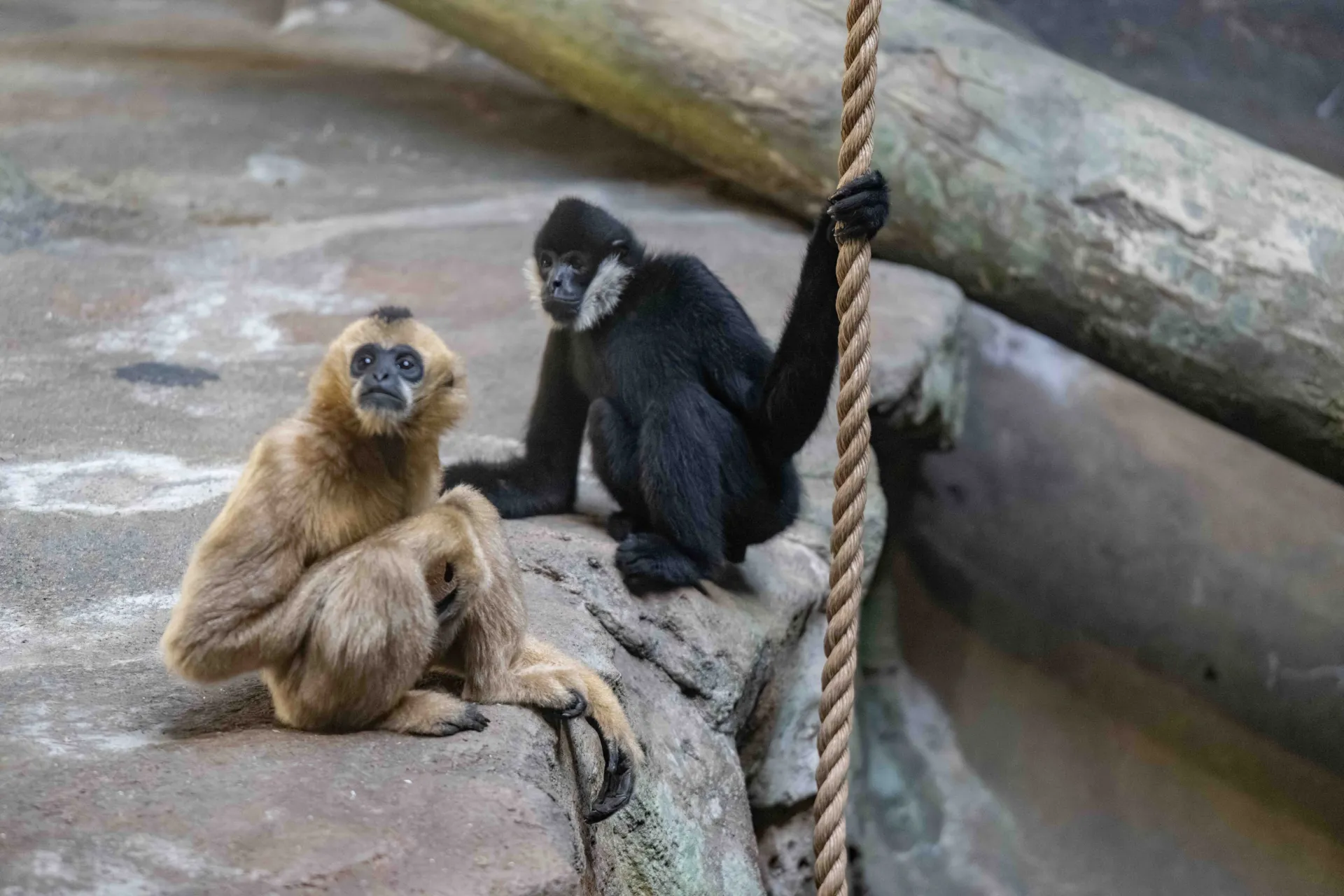
Dennis and Anastasia
-
October 23, 2026
Gibbon Us a Reason to Celebrate
Apes Arrive in Time for World Gibbon Day October 23, 2026World Gibbon Day swings into action on October 24, raising awareness and support for conserving all 20 gibbon species, many of which are critically endangered. This year, the Zoo has…
-
October 1, 2026
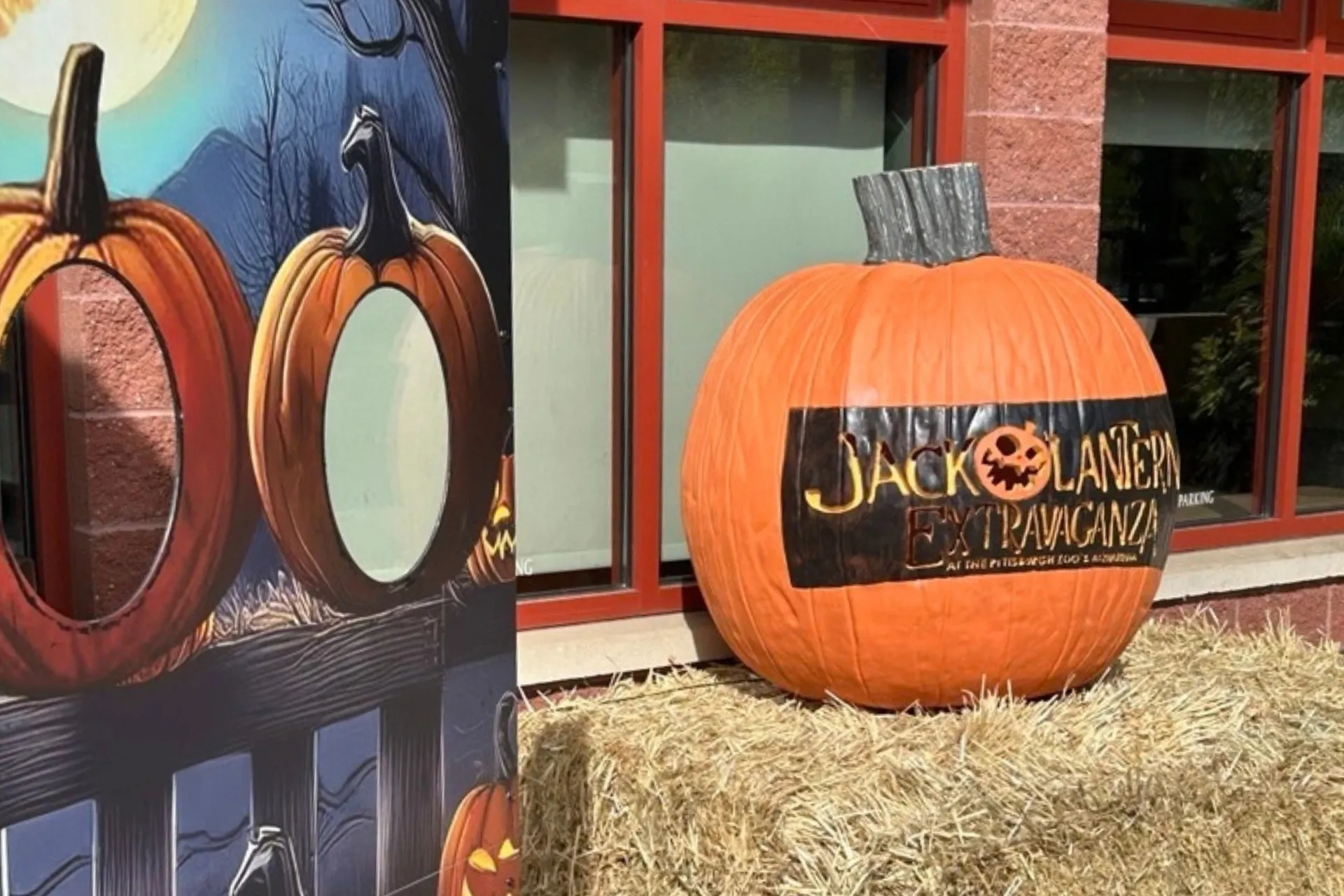
Gourd News: Jack O’Lantern Extravaganza Returns
Fall Favorite Returns to Pittsburgh Zoo & Aquarium October 1, 2026Nighttime magic and mystery return to the Pittsburgh Zoo & Aquarium from October 2 through November 1 with the Jack O’Lantern Extravaganza, presented by Peoples. A treasured tradition for families…
-
September 18, 2026
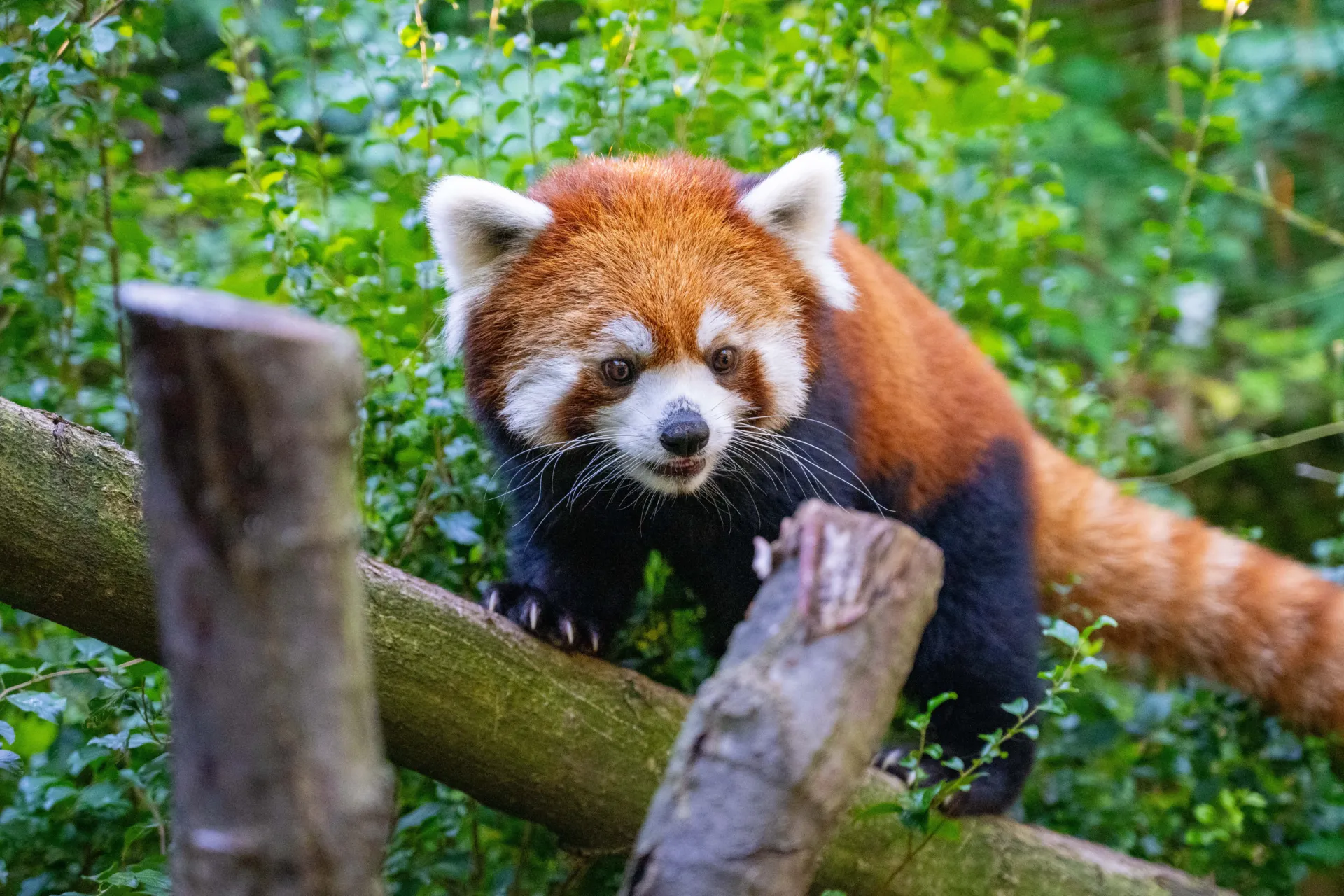
A Plan for a Panda
Saving Red Pandas in the Wild September 18, 2026The Pittsburgh Zoo & Aquarium has long been a home to red pandas and has supported the conservation of these beloved animals in the wild. Several Zoo staff members are key players…
-
August 18, 2026
The Table Is Set for Breakfast with the Animals
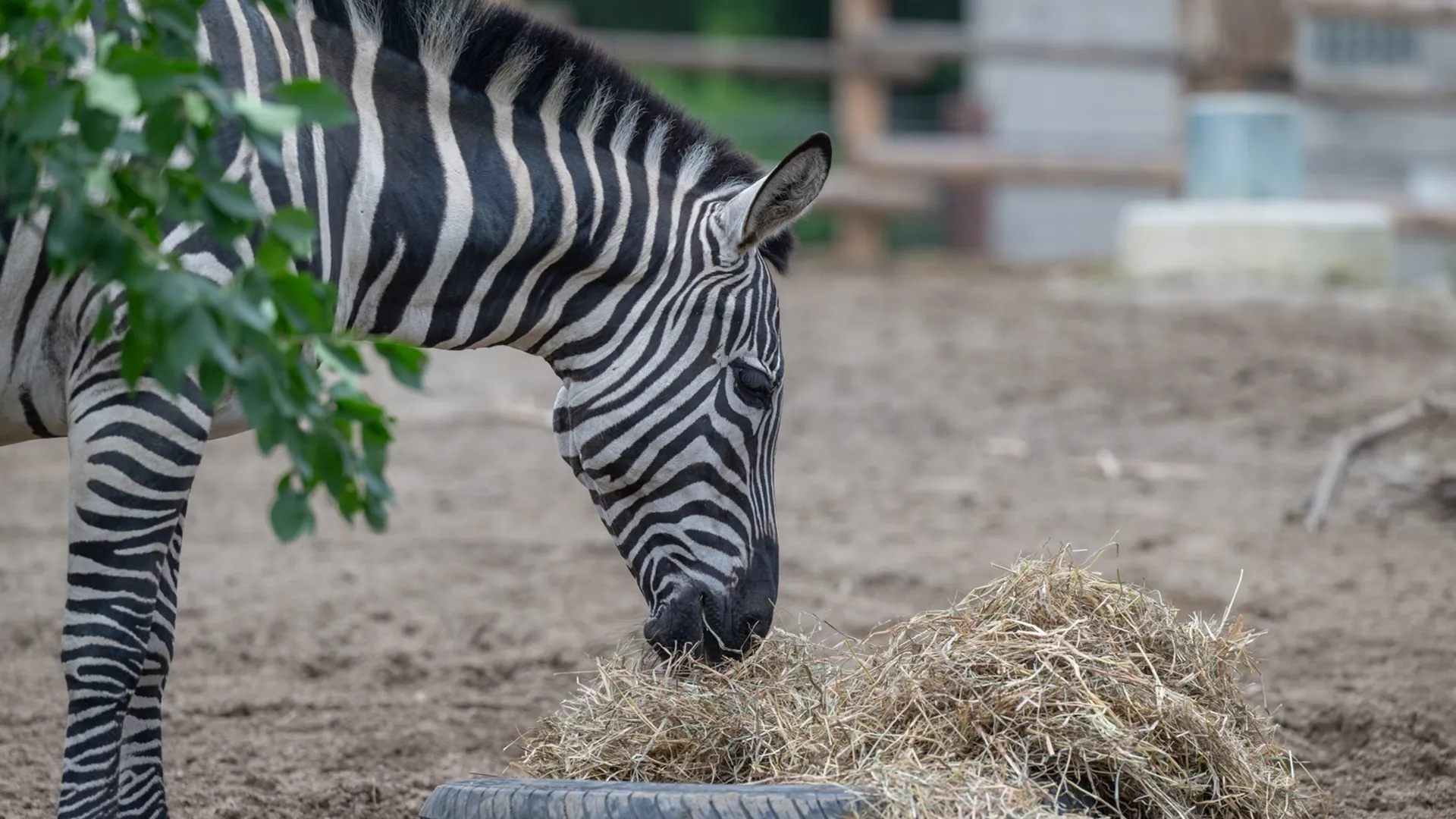
Rise and Dine August 18, 2026Breakfast is a very important meal for animals, too. The right food at the right time is essential for their well-being and survival. A night of fasting leaves animals’ energy reserves depleted. The first meal…
-
August 11, 2026
Welcome to the World, Walla-baby
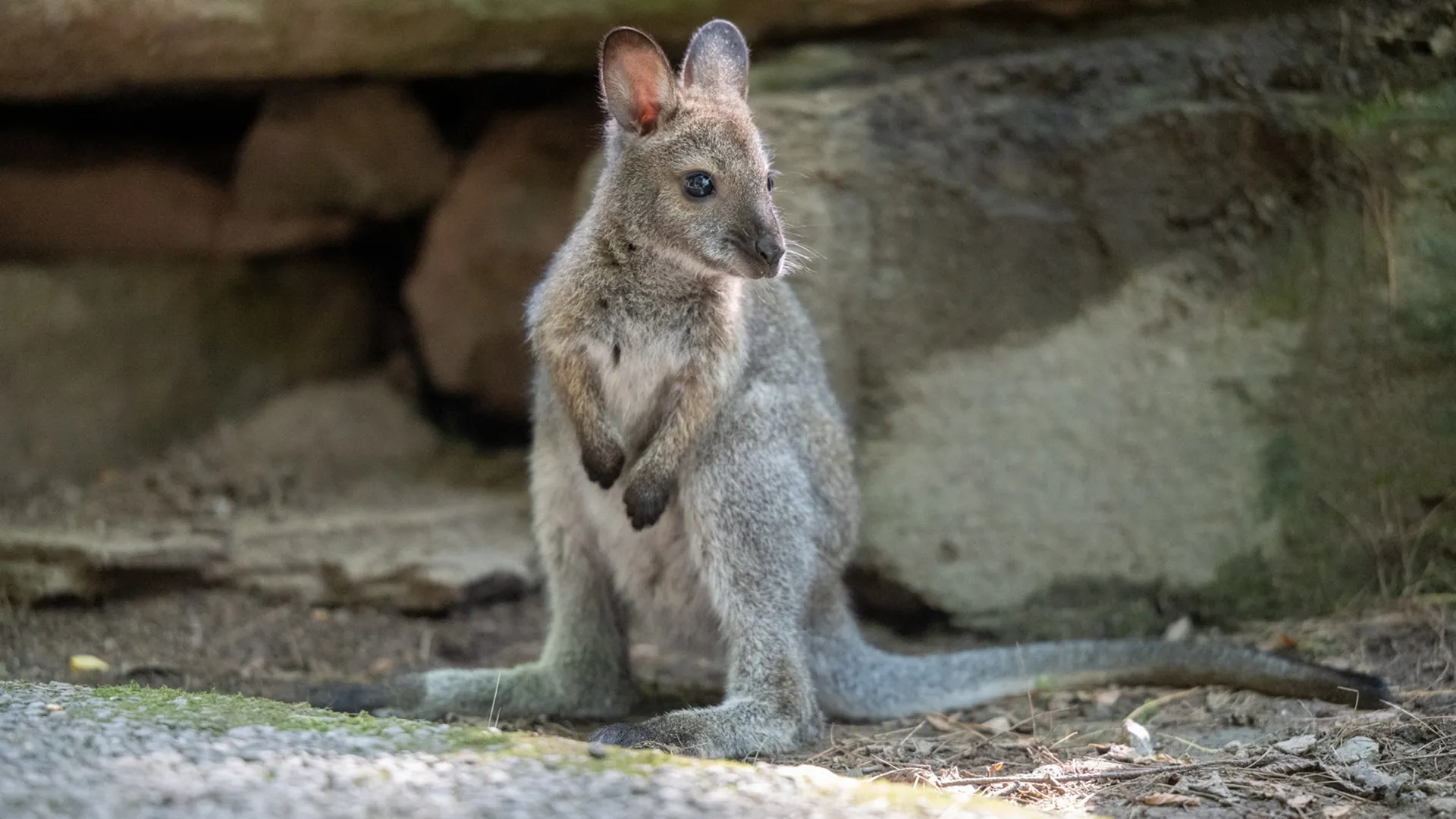
Pocketful of Miracles August 11, 2026The Pittsburgh Zoo & Aquarium recently welcomed Arlo, a male wallaby joey, to Kids Kingdom. Arlo was most likely born in late October, as he was discovered during an early November pouch check of his…