
Saving Red Pandas in the Wild
September 18, 2026
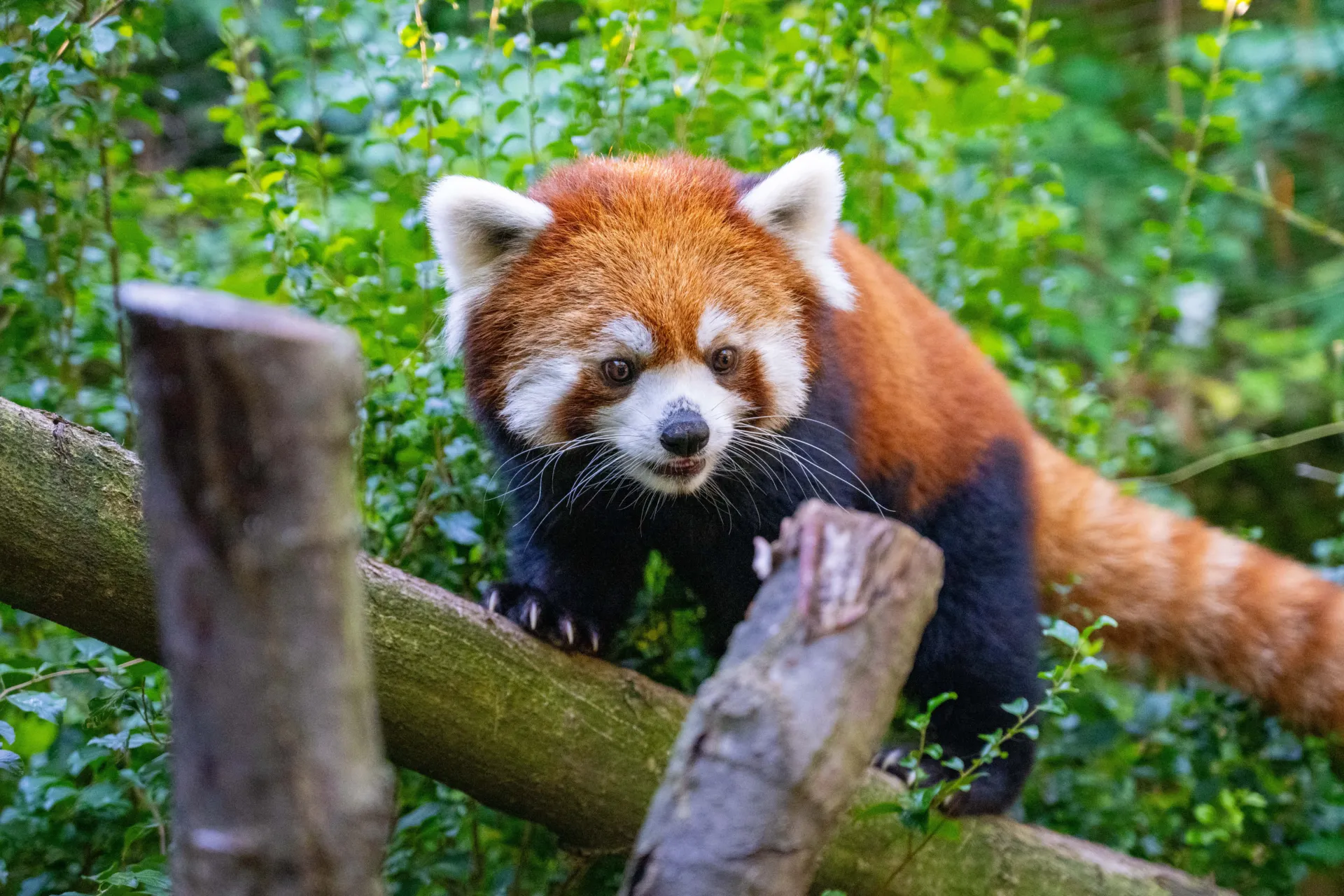
The Pittsburgh Zoo & Aquarium has long been a home to red pandas and has supported the conservation of these beloved animals in the wild. Several Zoo staff members are key players in creating and managing the SAFE (Saving Animals from Extinction) Red Panda program – an Association of Zoos and Aquariums (AZA) initiative that connects zoo-based conservation efforts with outcomes in the field.
Currently there are approximately 134 red pandas in 100 AZA zoos in North America. The Pittsburgh Zoo is providing leadership for collective impact for 27 zoos and other institutions have joined forces in the SAFE program. Using the skills that zoological institutions have with conservation science, husbandry, animal health and behavior, and education, the SAFE plan unites zoos and their collective expertise to help address the threats facing red pandas in the wild.
Pittsburgh Zoo Director of Conservation Dr. Shafkat Khan is the Vice Program Leader – Conservation Action Lead of the SAFE program, which allows the Zoo to have even more of an impact for these crimson creatures, through efforts both at zoos and in the wild. “The pIan addresses key conservation challenges facing red pandas, including habitat loss and degradation, poaching and illegal trade, small and isolated populations, pathogens and diseases, infrastructure development, inadequate awareness, and climate change,” says Khan.
Working together, AZA zoo partners can raise awareness by combining zoo research, effective education campaigns, and fieldwork efforts for red panda conservation. In the Himalayas, canine distemper virus and rabies pose health risks for domestic and wild animals, including the red panda. Dr. Lauren Kane, the Pittsburgh Zoo’s Senior Associate Veterinarian, is co-leader of SAFE Red Panda’s One Health workgroup, that unites zoo veterinarians, veterinary technicians, and animal care professionals to confront this challenge and design and operate a campaign that vaccinates feral and domestic dogs against canine distemper virus and rabies.
Red pandas are a popular and charismatic species that garners favor among zoo visitors. The SAFE plan activates the considerable expertise of conservation educators among its partner institutions to help build awareness in Nepal and in North America. Bringing far-away conservation stories home is one of the great advantages of zoo-based conservation and education programs. Pittsburgh Zoo Vice President of Education and Community Engagement Dr. Jenn Torpie co-leads the Public Engagement workgroup. “Continually integrating the stories of this SAFE’s work and that of our field partners into educational programs at partner institutions will be a vital part of this SAFE’s success,” says Torpie. “Additionally, it will support partner institutions in implementing SAFE Red Panda activities with their home audiences.”
SAFE Red Panda is the 41st SAFE Program added to the AZA’s roster. Its mission is to create long-term support for wild red panda populations by creating partnerships among zoological organizations that empower conservation collaborations both at zoos and in the wild. By working together, we can move closer the program’s goal – a world where red pandas have both viable wild populations and sustainable habitats.
-
September 18, 2026
A Plan for a Panda
Saving Red Pandas in the Wild September 18, 2026The Pittsburgh Zoo & Aquarium has long been a home to red pandas and has supported the conservation of these beloved animals in the wild. Several Zoo staff members are key players…
-
August 18, 2026
The Table Is Set for Breakfast with the Animals
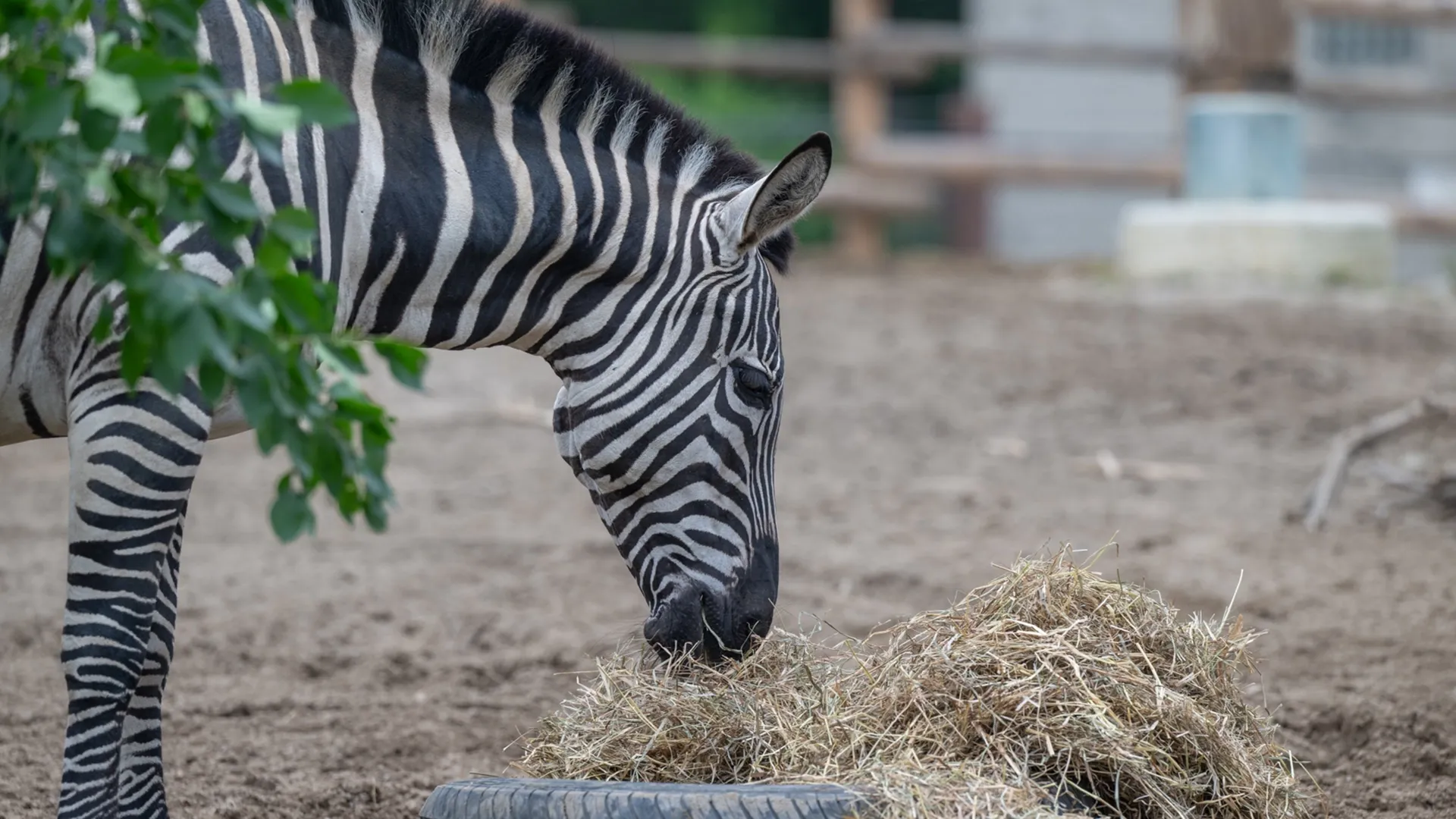
Rise and Dine August 18, 2026Breakfast is a very important meal for animals, too. The right food at the right time is essential for their well-being and survival. A night of fasting leaves animals’ energy reserves depleted. The first meal…
-
August 11, 2026
Welcome to the World, Walla-baby
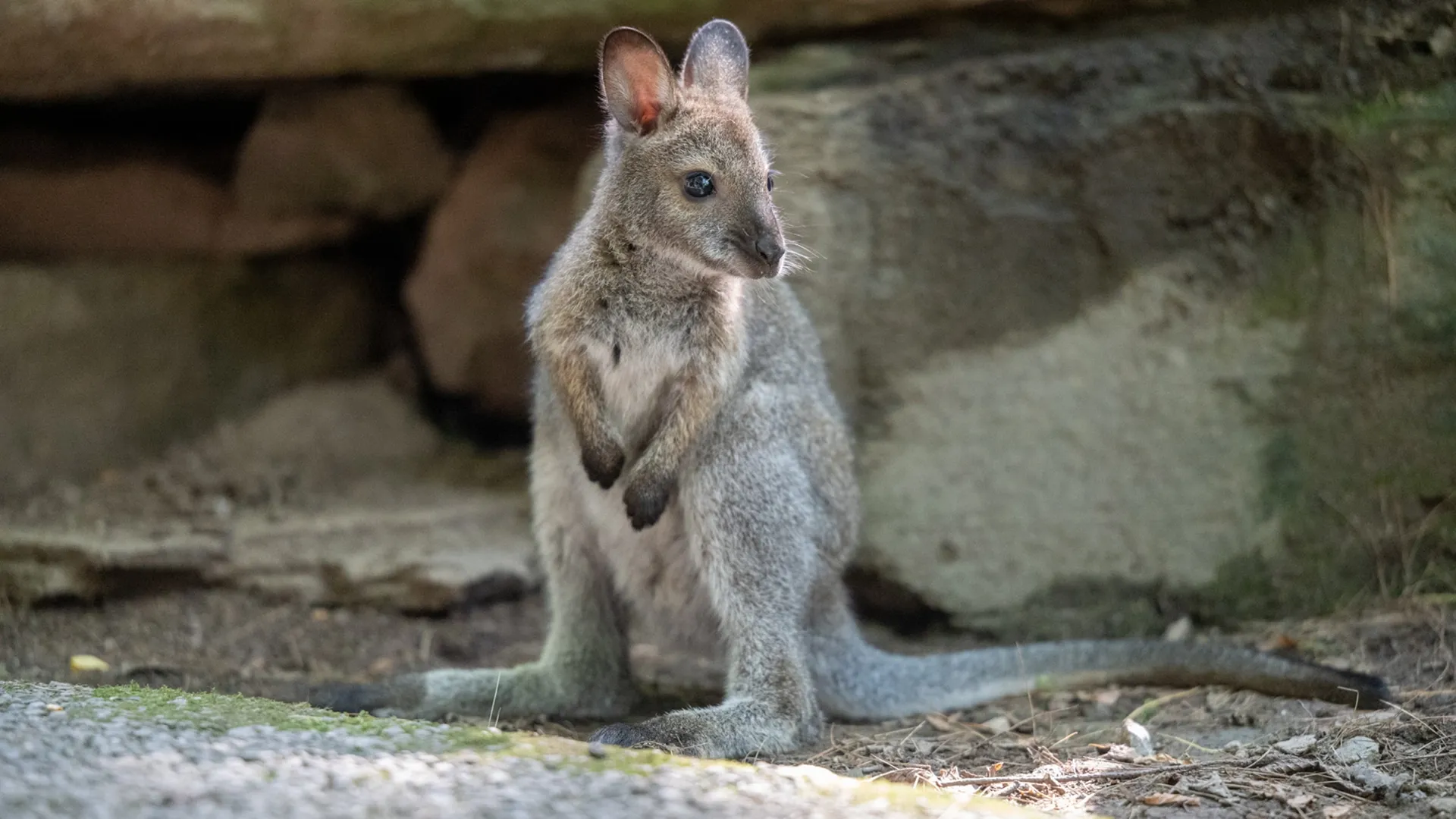
Pocketful of Miracles August 11, 2026The Pittsburgh Zoo & Aquarium recently welcomed Arlo, a male wallaby joey, to Kids Kingdom. Arlo was most likely born in late October, as he was discovered during an early November pouch check of his…
-
August 10, 2026
The Cub Has Been Dubbed
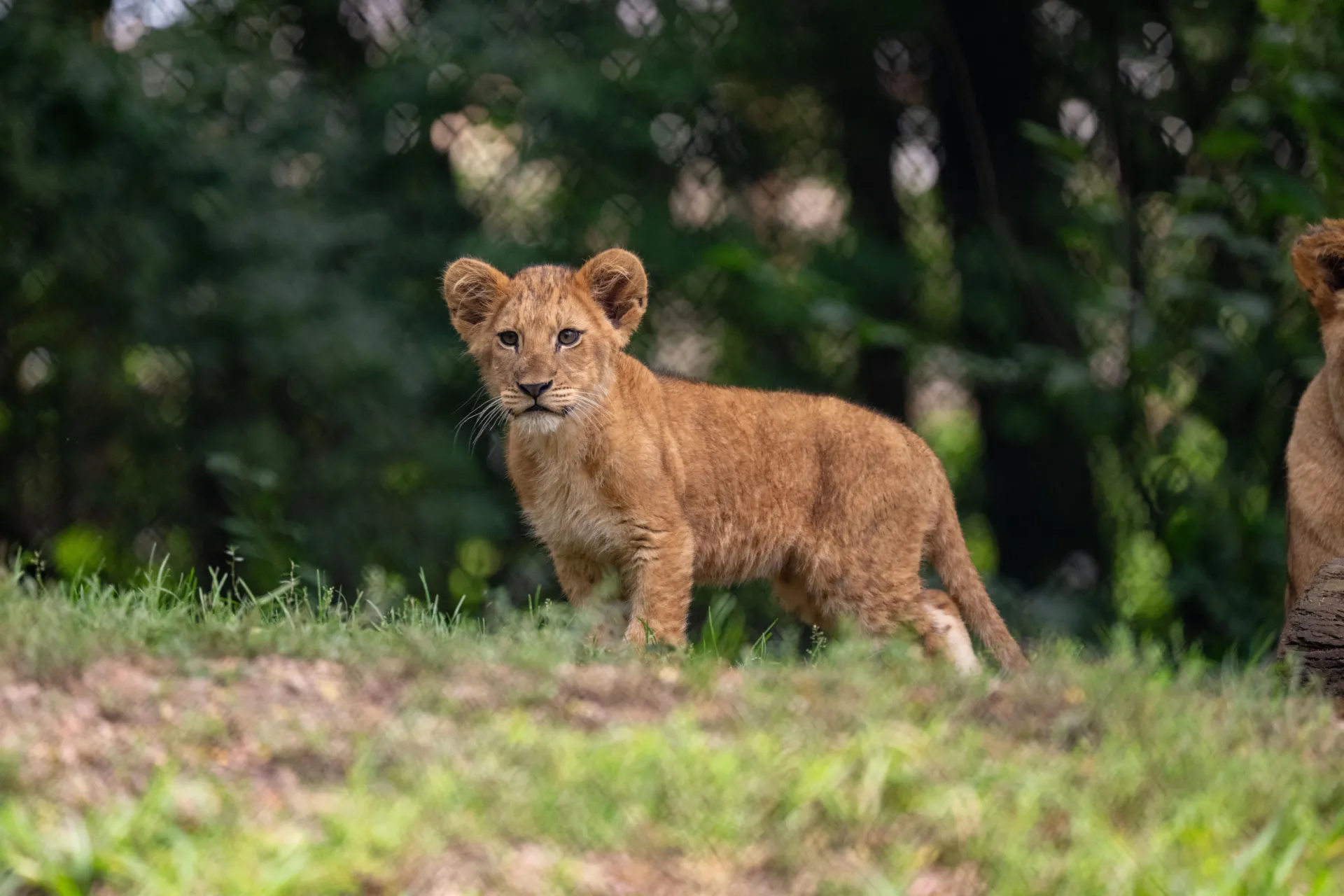
Pittsburgh Zoo & Aquarium Announces Name of Lion Cub August 10, 2026After weeks of anticipation, the Pittsburgh Zoo & Aquarium is pleased to announce both the official August 10 public debut and name of our four-month-old female African lion cub.…
-
August 7, 2026
The Perks of Being a Long-Necker
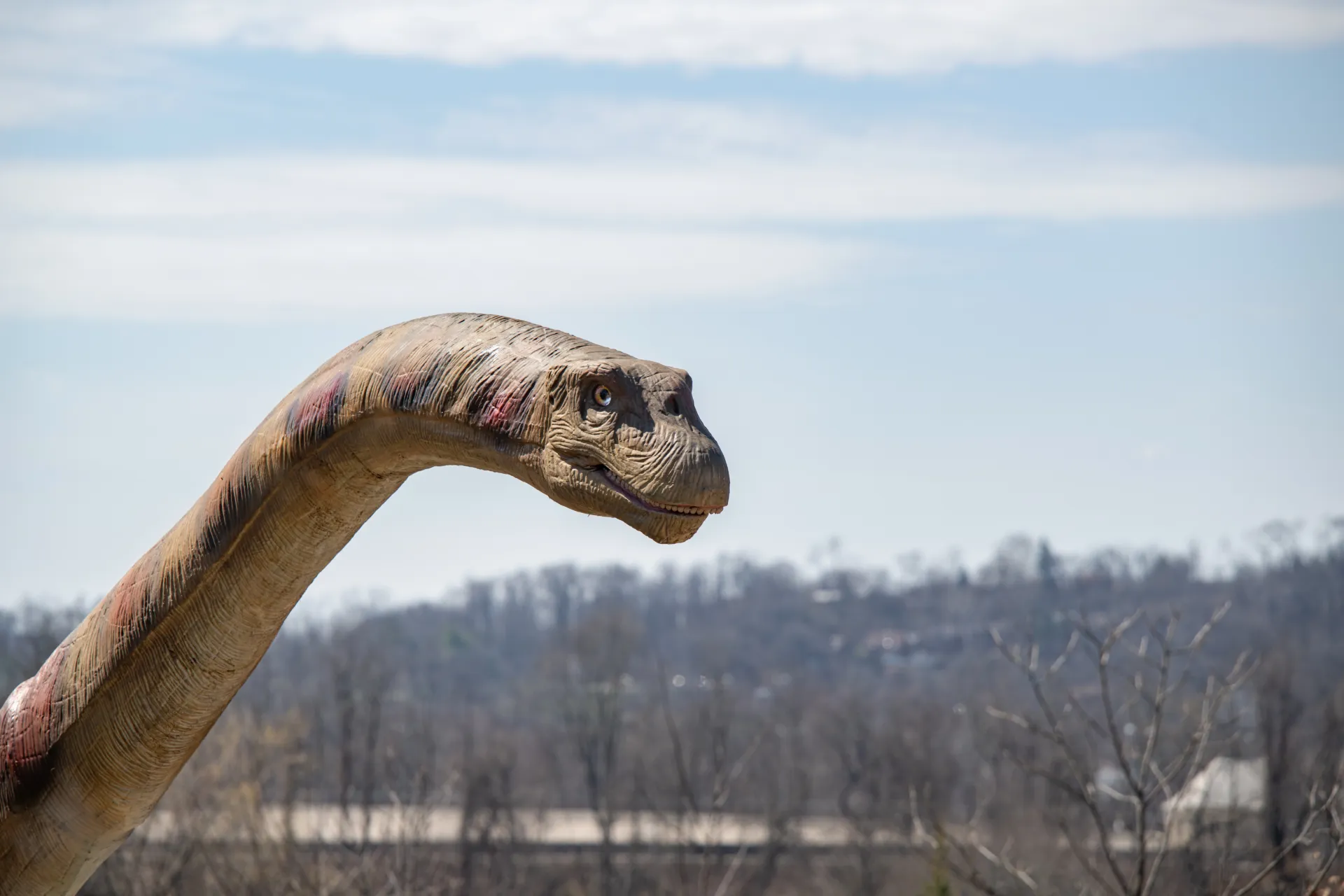
The Advantages of Having a Lengthy Neck August 7, 2026Incredibly large, plant-eating dinosaurs with long necks and tails, pillar-like legs, and contrastingly small heads belong to a group called sauropods: the largest land animals to have ever existed. This includes…