
Frankie Heads to Boston as Pittsburgh Zoo Welcomes New Silverback
May 13, 2026
Frankie, the Pittsburgh Zoo & Aquarium’s resident seven-year-old male western lowland gorilla, will soon begin a new chapter in Boston as part of the American Association of Zoos & Aquarium’s (AZA) Gorilla Species Survival Plan (SSP). In return, Pittsburgh will give a wild welcome to a silverback from Boston’s Franklin Park Zoo, 33-year-old Little Joe. Both moves were designed to provide a healthy, genetically diverse population of critically endangered gorillas in human care.
Frankie was born at the Pittsburgh Zoo & Aquarium in 2018 to our female Moka. He is a favorite among keepers, who describe him as having “good vibes – playful and chill.” At the fellow AZA-accredited Franklin Park Zoo, Frankie will join a newly formed bachelor group with two other male gorillas of his size and age. This mimics gorilla social groups in the wild where young males leave family groups and form bachelor groups. As juvenile male gorillas mature, they reach a point where they are too old to be a juvenile, yet too young to be a silverback. In the wild, these “blackbacks” generally voluntarily leave their birth group around the age of eight, though there are instances when the silverback of their natal group forces them out. They can then band together with other blackback males (creating a bachelor group) but typically do not acquire females of their own until they are over 13 years old.
Meanwhile, here in Pittsburgh, Little Joe will join our family group as silverback. A typical family has only one mature male and several females with offspring. The Zoo is also home to gorilla females Moka (29) and Ibo (35) and youngsters Charlotte (3) and Bo (2). Little Joe, a beloved resident at Boston’s Franklin Park Zoo, is described by his keepers as “curious, intelligent, and gentle.” He gets along well with other gorillas and unrelated babies and is a quick learner – especially good at figuring out how to get food out of puzzle feeders. (article continues below ⇓)
The AZA’s SSP closely monitors the population of gorillas in human care and makes recommendations for social groupings based on genetics, age, and housing availability. Bachelor groups allow non-breeding males to live healthy, social lives while minimizing competition and conflict, and the matchmaking role performed by the SSP also identifies potential opportunities for well-being among breeding troops.
Each individual animal differs on the amount of time it takes for an introduction. “Given the intelligence of a gorilla, personalities, and group dynamics we will be working at their pace and comfort level as to when it will be appropriate to introduce them,” says Karen Vacco, Assistant Mammal Curator at the Pittsburgh Zoo & Aquarium. “The best-case scenario is four to seven weeks. During this whole time, we will be working on keeper trust. Once he is comfortable with his surroundings, then we will look at physical introductions. He will have visual access to the troop during this time.”
Once he is acquainted with his new family, Pittsburgh Zoo guests can view Little Joe with the entire gorilla troop in their habitat at the Tropical Forest Complex.
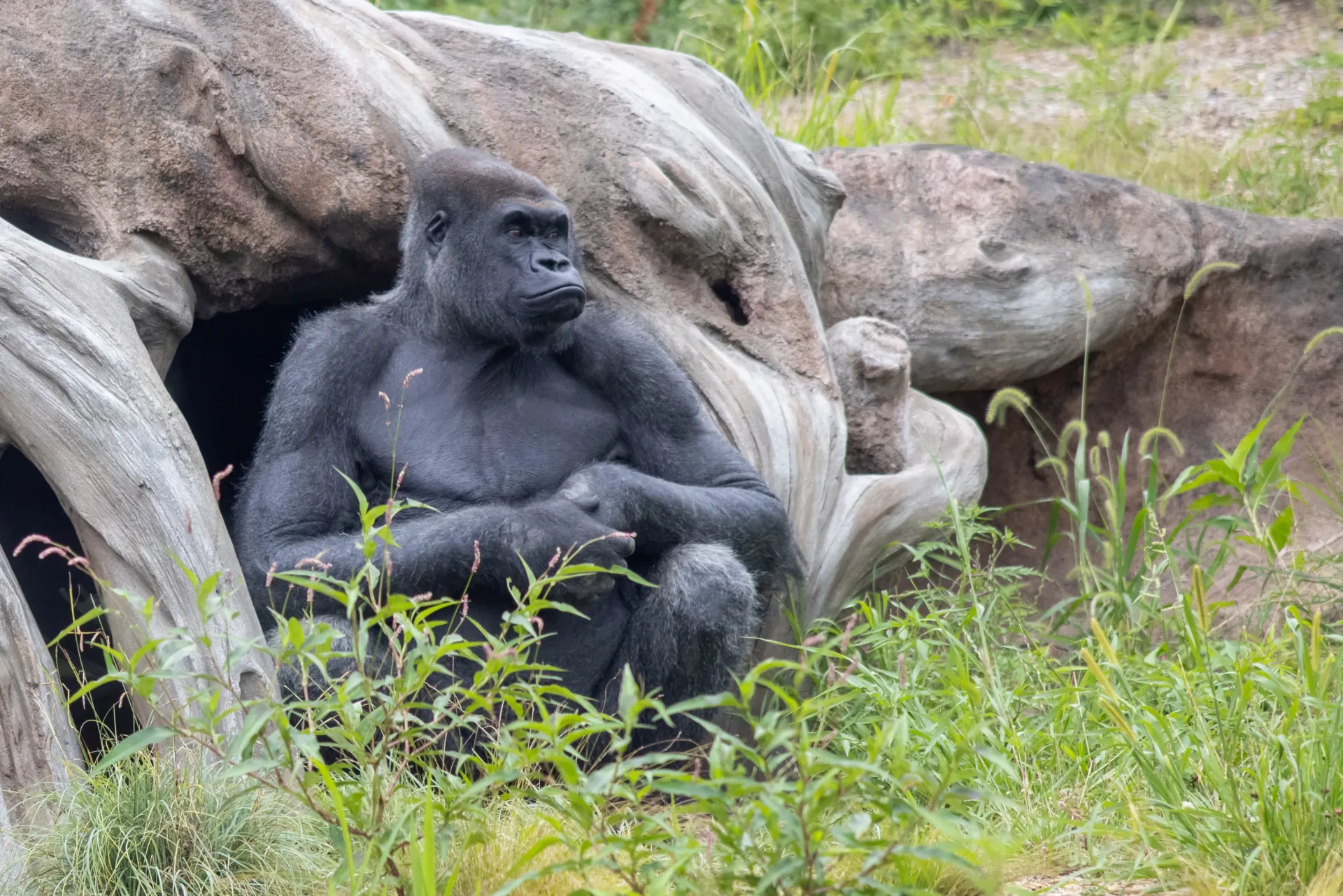
Little Joe - Photo Courtesy: Zoo New England
-
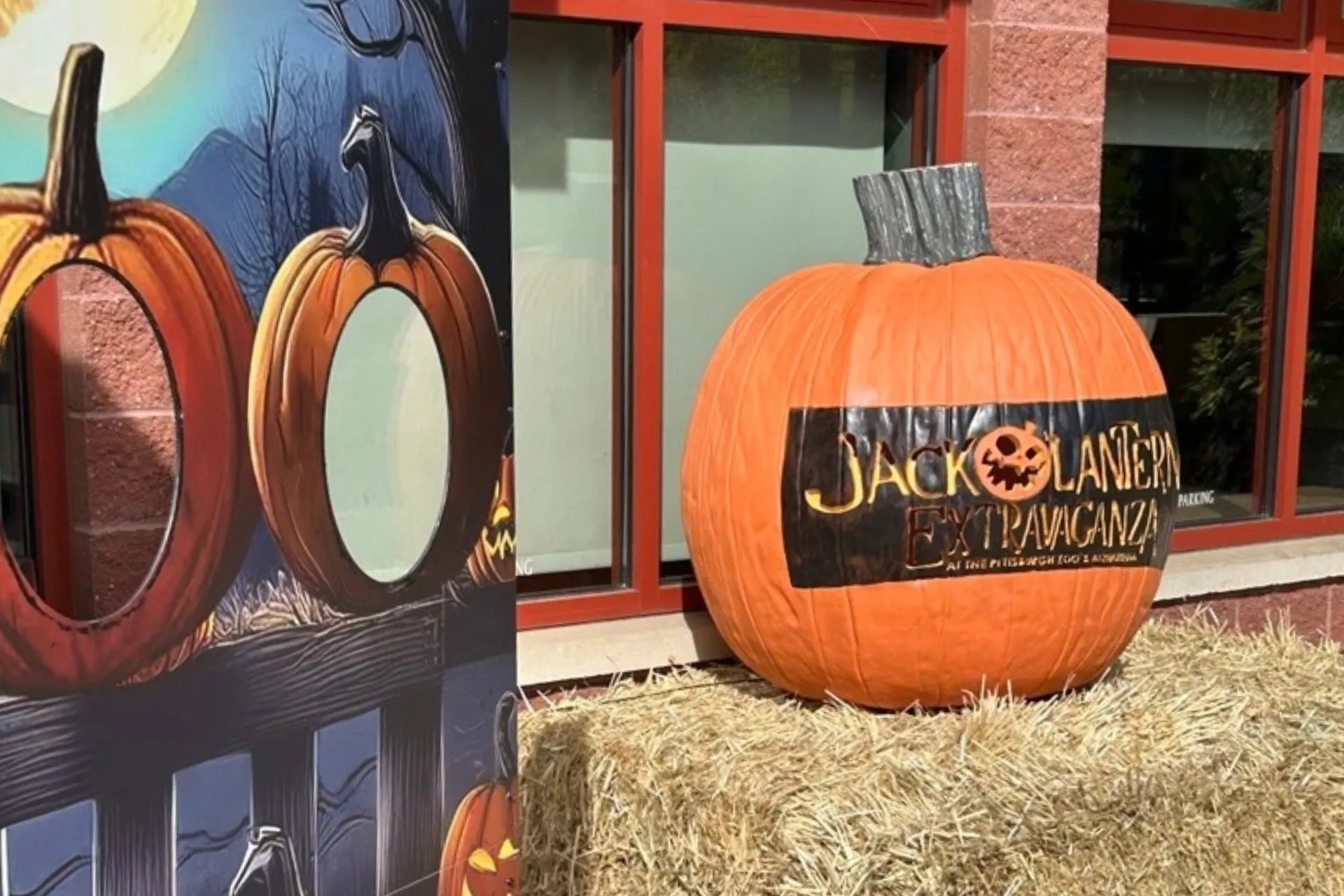
October 1, 2026
Gourd News: Jack O’Lantern Extravaganza Returns
Fall Favorite Returns to Pittsburgh Zoo & Aquarium October 1, 2026Nighttime magic and mystery return to the Pittsburgh Zoo & Aquarium from October 2 through November 1 with the Jack O’Lantern Extravaganza, presented by Peoples. A treasured tradition for families…
-
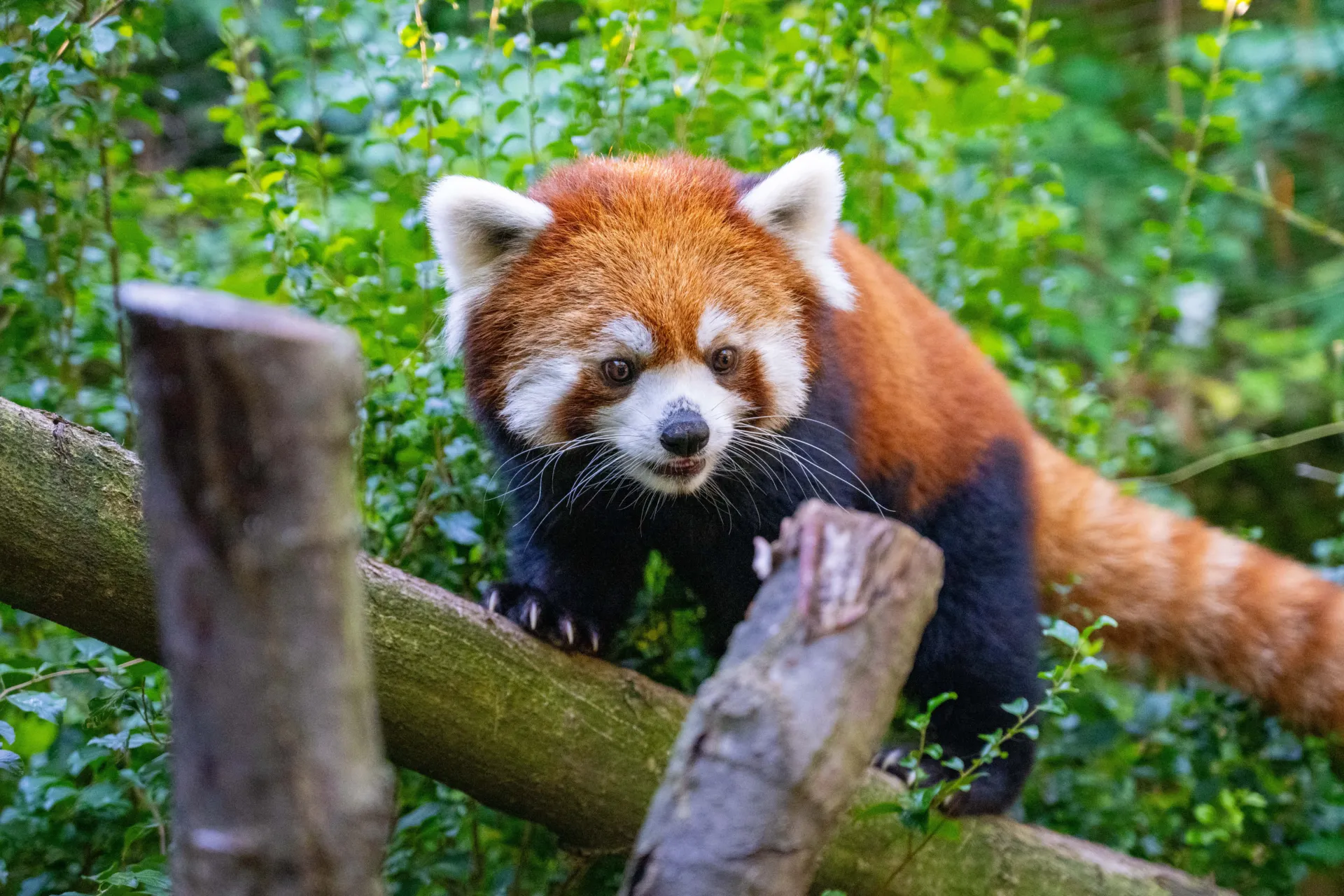
September 18, 2026
A Plan for a Panda
Saving Red Pandas in the Wild September 18, 2026The Pittsburgh Zoo & Aquarium has long been a home to red pandas and has supported the conservation of these beloved animals in the wild. Several Zoo staff members are key players…
-
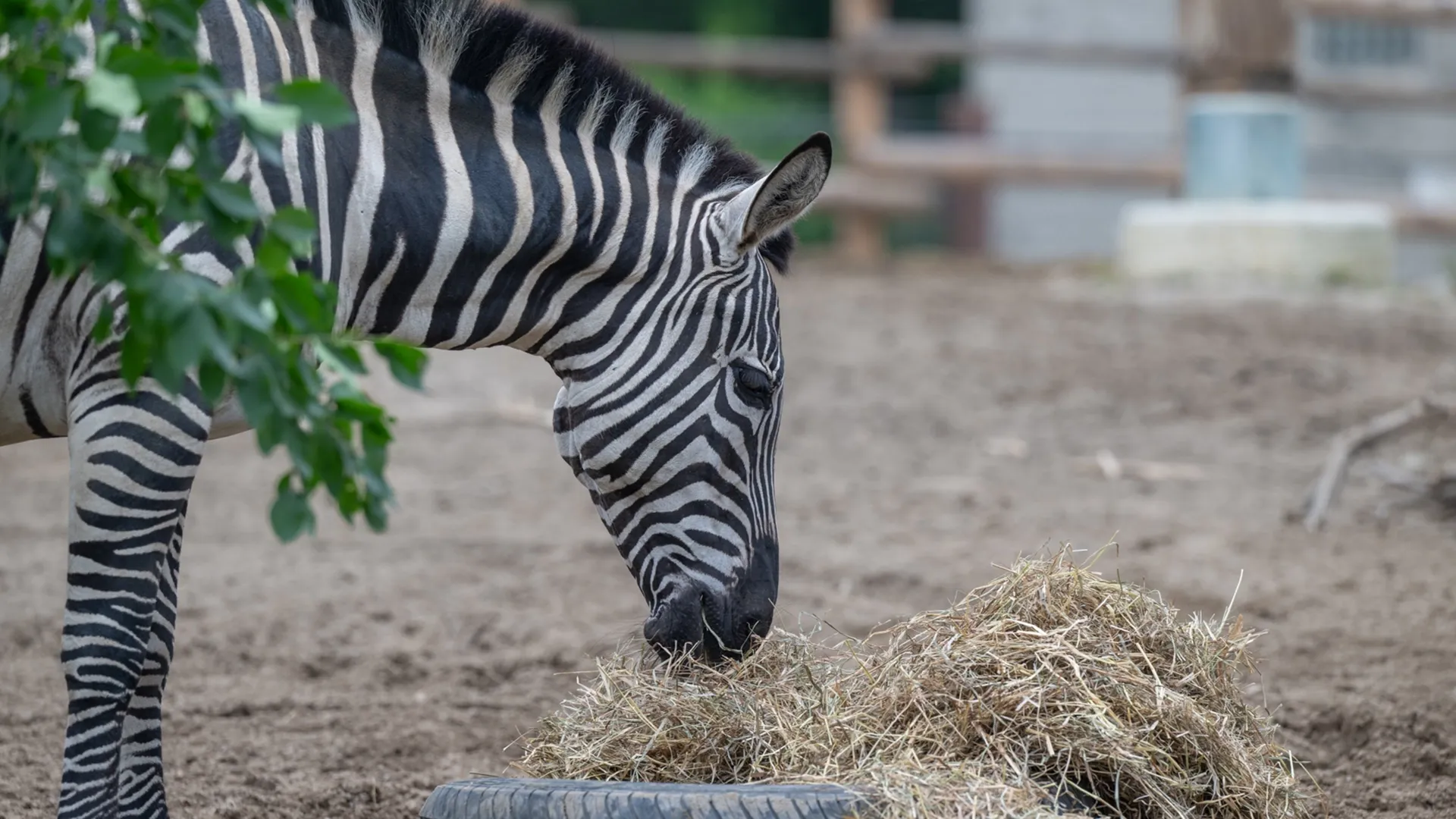
August 18, 2026
The Table Is Set for Breakfast with the Animals
Rise and Dine August 18, 2026Breakfast is a very important meal for animals, too. The right food at the right time is essential for their well-being and survival. A night of fasting leaves animals’ energy reserves depleted. The first meal…
-
August 11, 2026
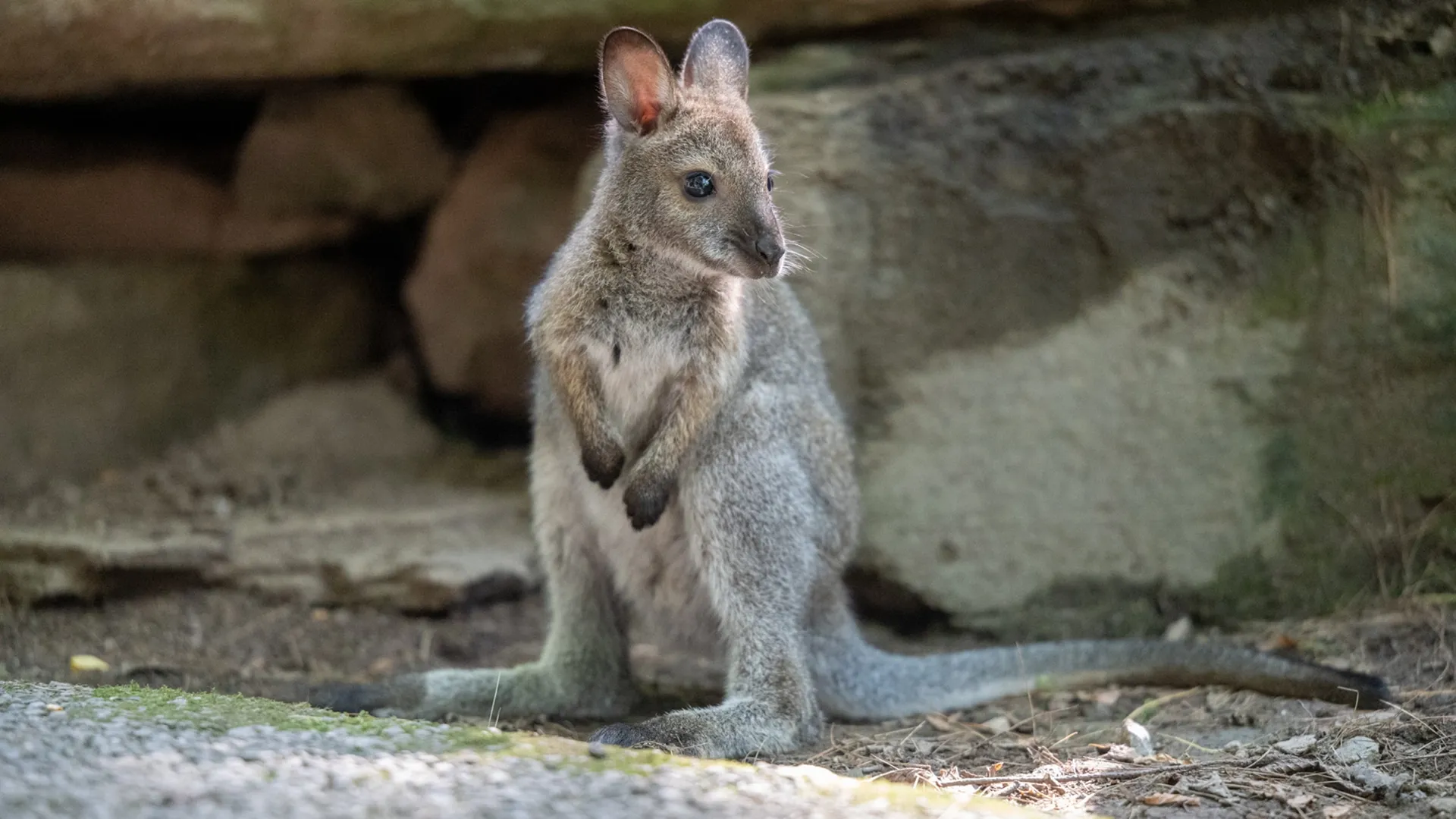
Welcome to the World, Walla-baby
Pocketful of Miracles August 11, 2026The Pittsburgh Zoo & Aquarium recently welcomed Arlo, a male wallaby joey, to Kids Kingdom. Arlo was most likely born in late October, as he was discovered during an early November pouch check of his…
-
August 10, 2026
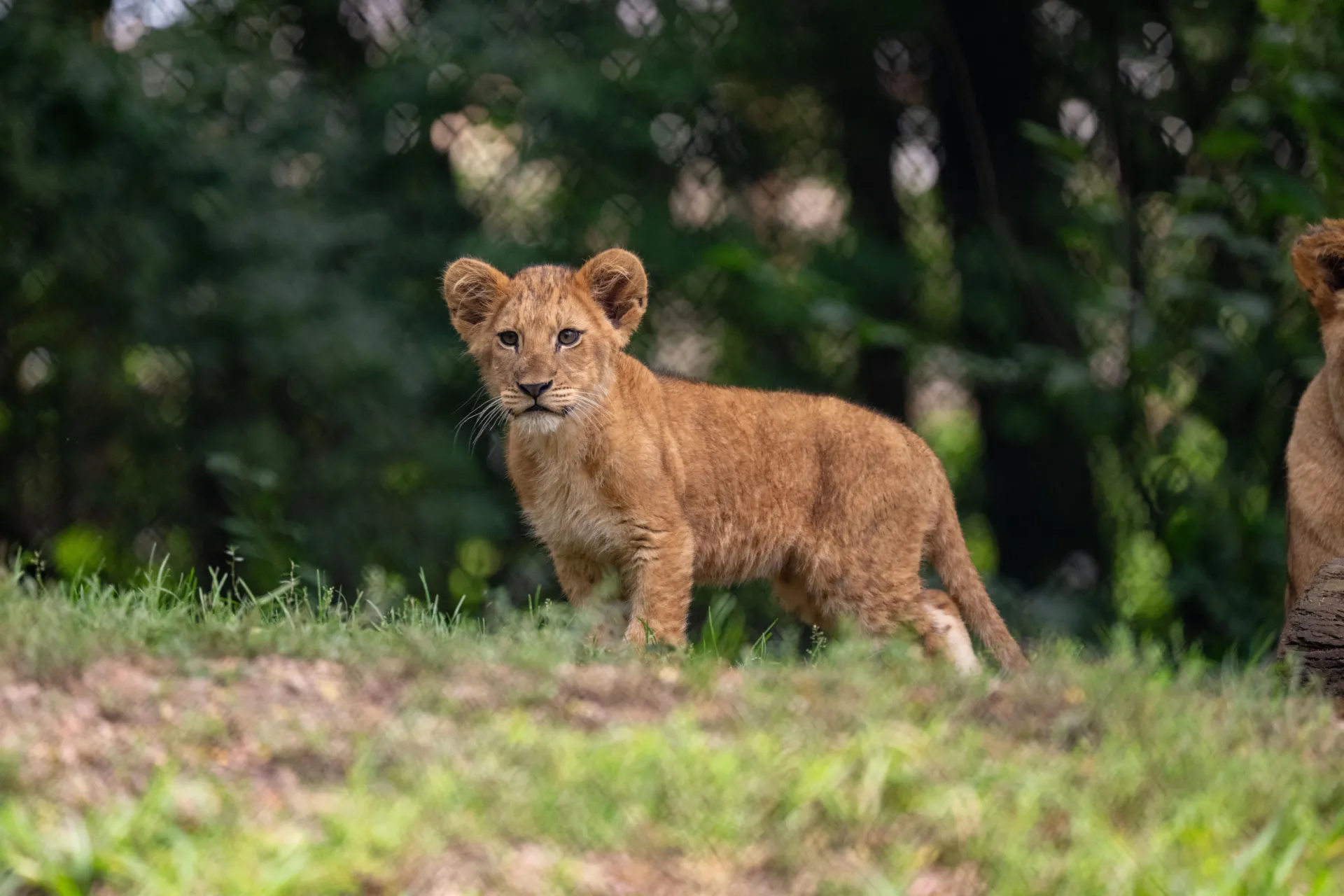
The Cub Has Been Dubbed
Pittsburgh Zoo & Aquarium Announces Name of Lion Cub August 10, 2026After weeks of anticipation, the Pittsburgh Zoo & Aquarium is pleased to announce both the official August 10 public debut and name of our four-month-old female African lion cub.…