
The Advantages of Having a Lengthy Neck
August 7, 2026
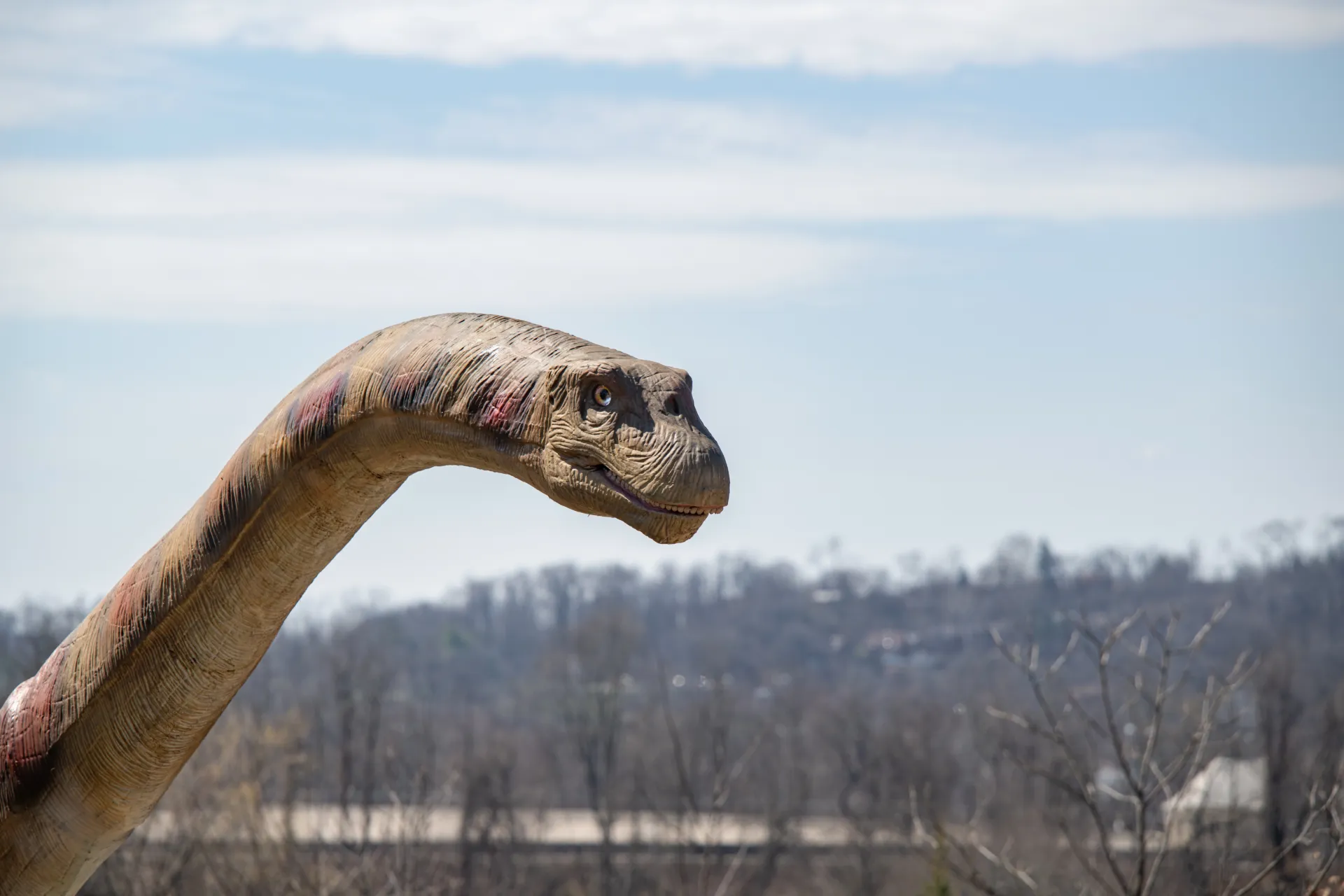
Incredibly large, plant-eating dinosaurs with long necks and tails, pillar-like legs, and contrastingly small heads belong to a group called sauropods: the largest land animals to have ever existed. This includes familiar giants like Apatosaurus, Brachiosaurus, and Diplodocus. Some specimens weighed over 70 tons and stretched more than 100 feet from head to tail! The amazing anatomy of sauropods has captivated paleontologists for generations and spawned numerous theories about how these giants used their substantial necks. Looking at the long-neckers of today provides some answers.
Long necks allowed sauropod dinosaurs to reach high into the canopies of prehistoric forests and access food resources untouched by other dinosaurs, eliminating competition for the loftier varieties of greenery. Similarly, giraffes browse leaves, fruits, and flowers from tall trees, especially during dry seasons when lower vegetation is scarce, and effectively reduce food competition with other animals. Their long necks, combined with their nearly 18-inch-long tongues, allow them to enjoy a wide range of the savanna’s salad bar.
Sauropod dinosaur necks were marvels of anatomy – one of nature’s most impressive feats of engineering. Unlike mammals, who typically have seven cervical vertebrae regardless of neck length, sauropods evolved additional vertebrae specifically to elongate their necks – some species boasted up to 19 neck vertebrae! These bones were remarkably lightweight due to having hollow chambers that reduced their weight by up to 60% while maintaining structural integrity. The neck was supported by an elaborate system of muscles, tendons, and ligaments, including elastic ligaments that may have helped counteract the enormous gravitational forces acting on the extended neck. Remarkably, despite its exceptionally long neck, a giraffe has the same number of vertebrae in its neck as humans and other mammals – seven cervical vertebrae. However, each vertebra can measure nearly ten inches long!
One of the most intriguing puzzles about long-necked dinosaurs is how their blood was able to circulate all the way to their high-rise heads. Giraffes face similar challenges with their lengthy necks and rely on specialized cardiovascular adaptations to pump blood against gravity. They have large, powerful hearts and complex blood pressure regulation systems that maintain blood flow to the brain and prevent excessive pressure when lowering their heads. Sauropods had necks that were many times longer and must have presented an even greater circulatory challenge. Researchers have calculated that their blood pressure must have been nearly seven times that of humans to supply adequate blood to a head-upright sauropod’s brain. Hypotheses include a series of one-way valves in the neck arteries, multiple auxiliary hearts along the neck, or possibly a completely different circulatory arrangement than modern animals. Some paleontologists suggest that sauropods may have rarely raised their heads to full height because of these circulatory limitations.
In prehistoric forests, the view from above the canopy would have allowed sauropods to easily spot large predators like Allosaurus or Tyrannosaurus rex from considerable distances. This early warning system would have been particularly valuable given the relatively slow movement speed of the massive sauropods, granting them crucial time to either prepare to defend themselves or run away. Sauropods living in herds could have stationed sentinels with their necks raised to watch for danger while the others fed more vulnerably with lowered heads. The giraffe’s height gives it a similar elevated vantage point to survey the savanna for predators. It can spot threats from a distance, such as lions and other predators, and increase its chances of survival with its own built-in warning and defense system.
Long necks may also have advertised a dinosaur’s genetic fitness, like a modern peacock tail or deer antlers. Females may have preferred males with longer, more impressive necks as mates. Maintaining and maneuvering such a glorious neck would require excellent health and strong genes. Neck-based sexual display behaviors might have included ritualized combat between males or elaborate courtship displays. Male giraffes, and occasionally females, engage in intricate, ritual battles known as “necking” to establish dominance. They repeatedly swing their long necks, delivering powerful headbutts to their rivals’ bodies and underbellies.
Studying contemporary long-necked animals provides valuable insight into our understanding of sauropod dinosaurs. Ostriches, swans, and geese also utilize their relatively long necks for different purposes, including detecting predators, feeding underwater, and communication. The repeated evolution of neck elongation across multiple animal species emphasizes the versatility and perks of being a long-necker!
Guests can get a sense of sauropod super-size as the Pittsburgh Zoo & Aquarium presents the special temporary exhibit Dinosaurs! Stand in the shadow of life-sized Apatosaurus and Mamenchisaurus and other amazing giants of the past now through September 7.
-

September 18, 2026
A Plan for a Panda
Saving Red Pandas in the Wild September 18, 2026The Pittsburgh Zoo & Aquarium has long been a home to red pandas and has supported the conservation of these beloved animals in the wild. Several Zoo staff members are key players…
-
August 18, 2026
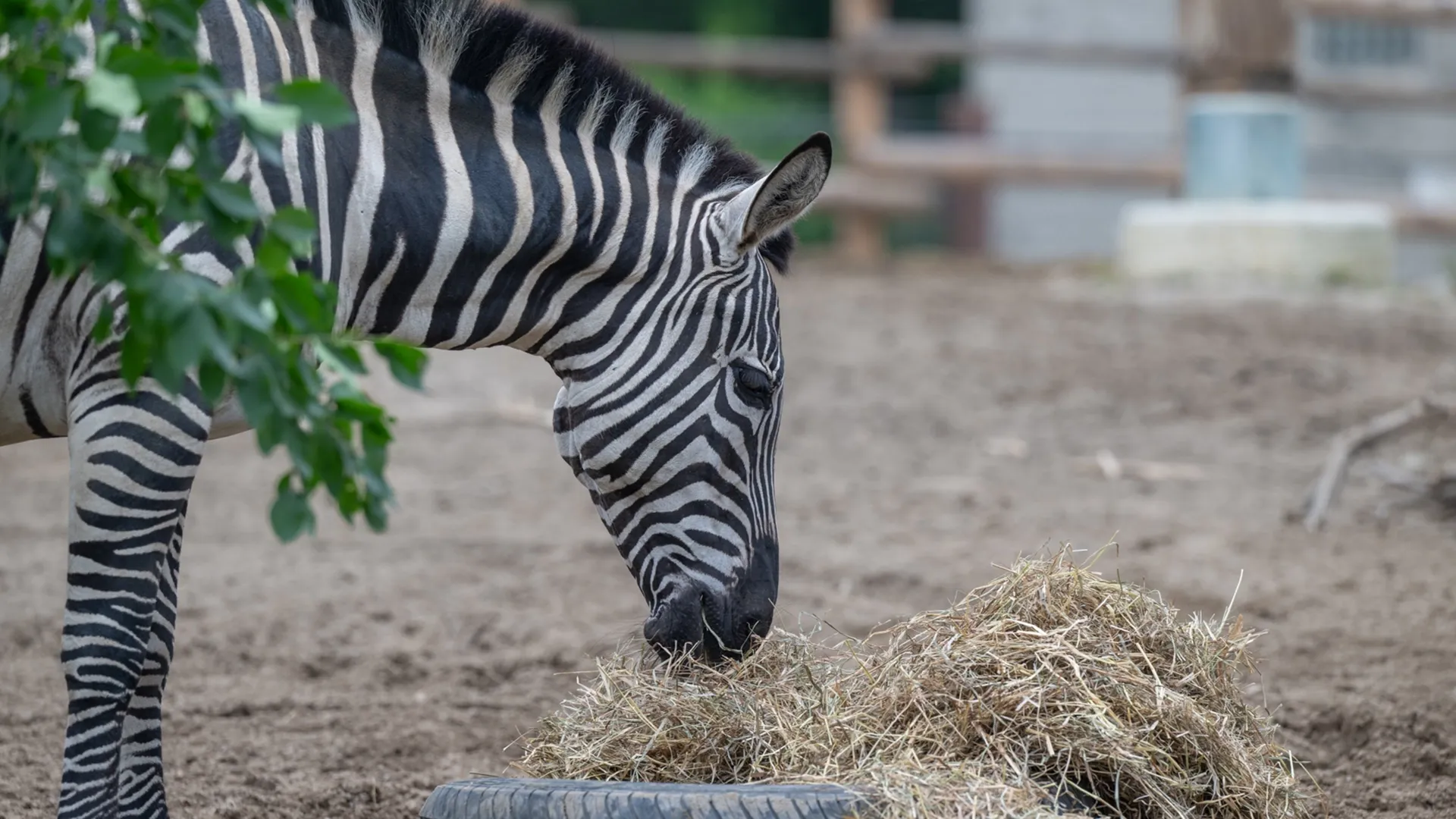
The Table Is Set for Breakfast with the Animals
Rise and Dine August 18, 2026Breakfast is a very important meal for animals, too. The right food at the right time is essential for their well-being and survival. A night of fasting leaves animals’ energy reserves depleted. The first meal…
-
August 11, 2026
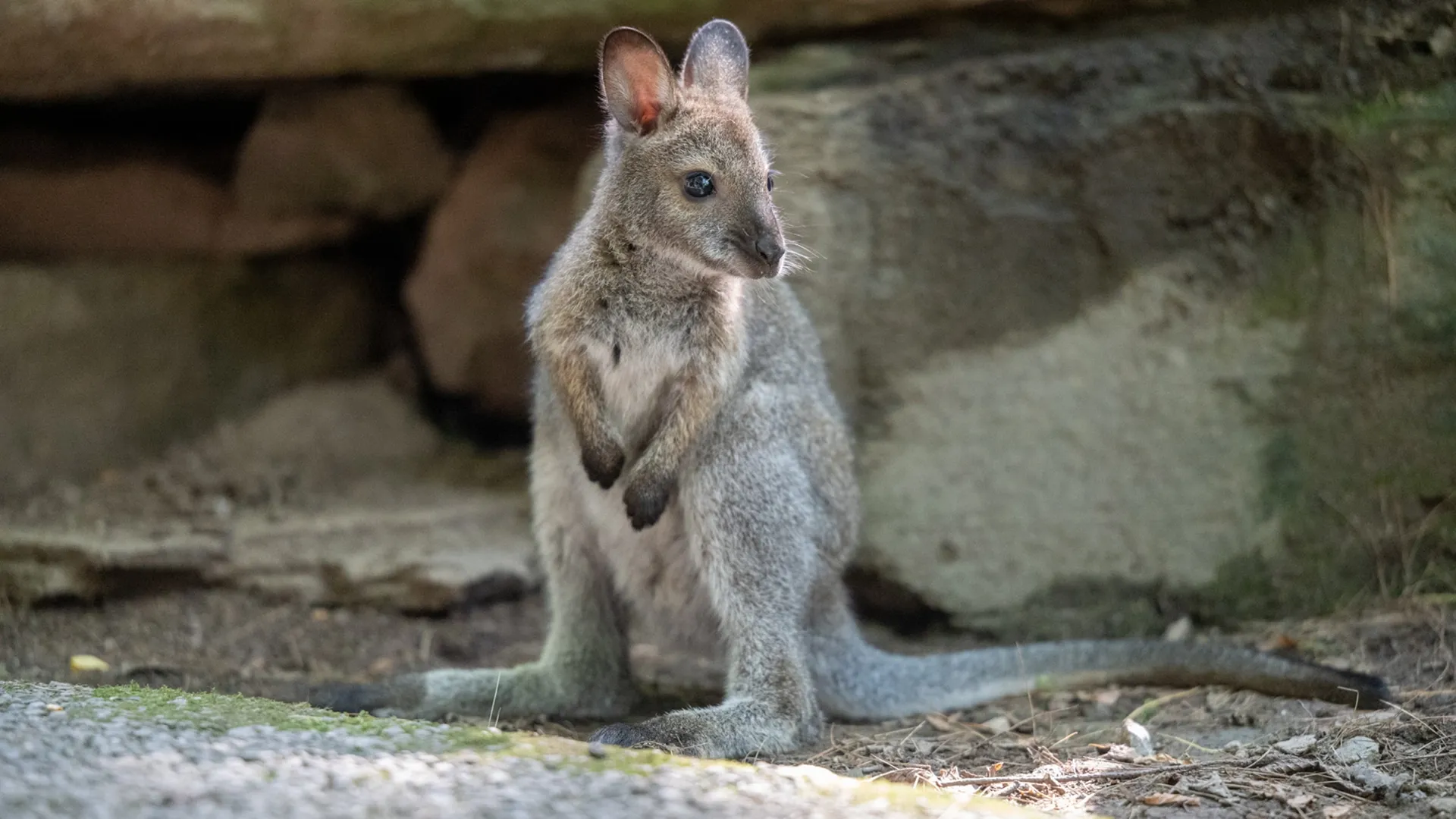
Welcome to the World, Walla-baby
Pocketful of Miracles August 11, 2026The Pittsburgh Zoo & Aquarium recently welcomed Arlo, a male wallaby joey, to Kids Kingdom. Arlo was most likely born in late October, as he was discovered during an early November pouch check of his…
-
August 10, 2026
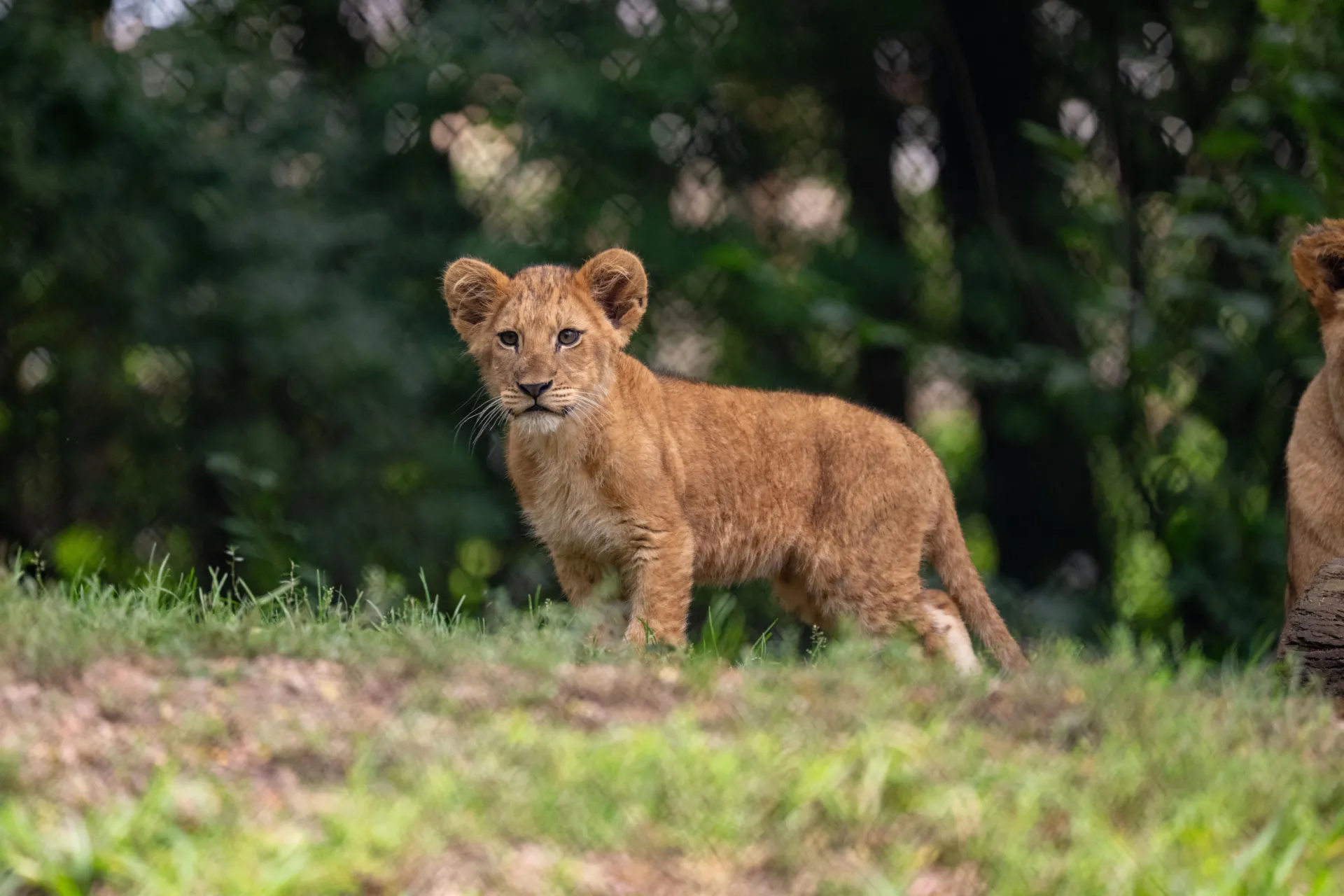
The Cub Has Been Dubbed
Pittsburgh Zoo & Aquarium Announces Name of Lion Cub August 10, 2026After weeks of anticipation, the Pittsburgh Zoo & Aquarium is pleased to announce both the official August 10 public debut and name of our four-month-old female African lion cub.…
-
August 7, 2026
The Perks of Being a Long-Necker
The Advantages of Having a Lengthy Neck August 7, 2026Incredibly large, plant-eating dinosaurs with long necks and tails, pillar-like legs, and contrastingly small heads belong to a group called sauropods: the largest land animals to have ever existed. This includes…